Strong matches for first-time owners
This is general information only and not a substitute for professional veterinary or behavioural advice. It does not create a veterinarian-client-patient relationship. Individual dogs vary — always meet a dog and consult your veterinarian or a qualified behaviourist before deciding.
A first dog is a big step, and some breeds make the learning curve gentler — quick to pick up training, a manageable size, happy around people, and able to settle when left alone. None of this is a guarantee: every dog is an individual, so treat the list as a starting point and meet a dog before you decide.
Auto-generated with AI assistance and human-reviewed.
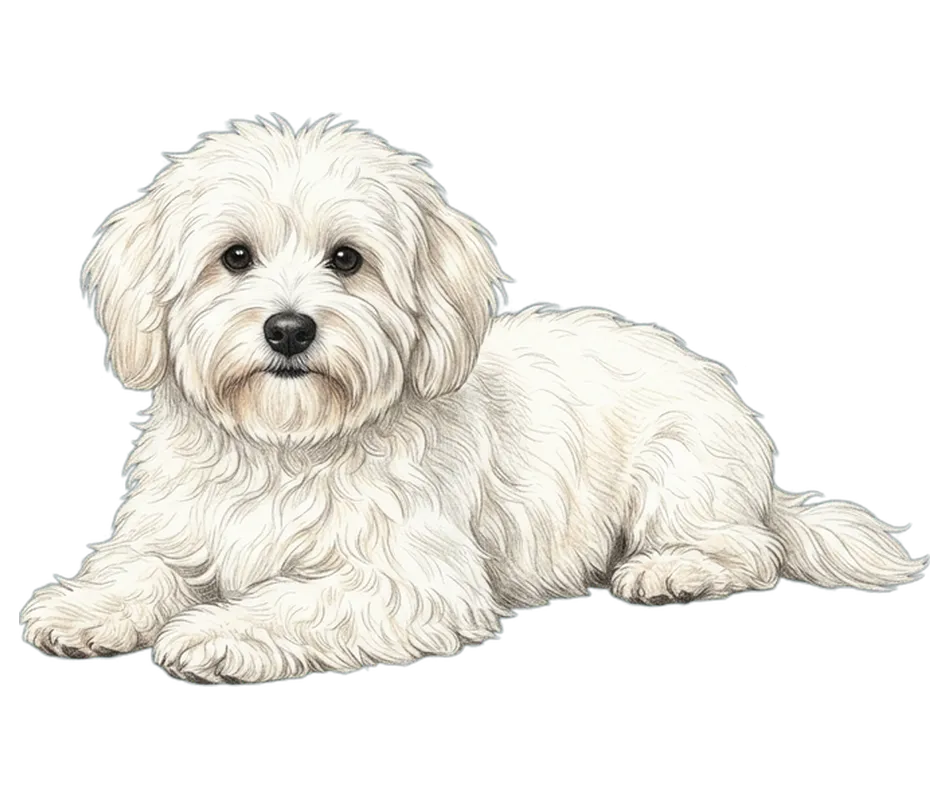
1. Coton de Tulear
The Coton de Tuléar is an eager-to-please, adaptable little companion that suits first-time owners well: small, sociable, and quick to learn with positive, reward-based training. Bred as a devoted companion, it forms close bonds and is happiest with company, so it does best in a household where it is not left alone for long stretches. Budget regular brushing to keep its soft cotton coat mat-free and comfortable.
Why it's a strong match
- Eager to please and responsive to training — forgiving for a first-time owner.
- A manageable size for a first-time household to handle day to day.
- Outgoing and people-oriented — easy for a new household to bond with.
- Moderate-to-low separation-anxiety risk — a gentler alone-time learning curve.
Good to know
- High grooming upkeep — budget time or a groomer.
- Always supervise interactions between dogs and young kids.
- Breed-associated health screening matters — ask your vet or breeder about atopic dermatitis (skin allergy) and chronic otitis externa (ear disease).
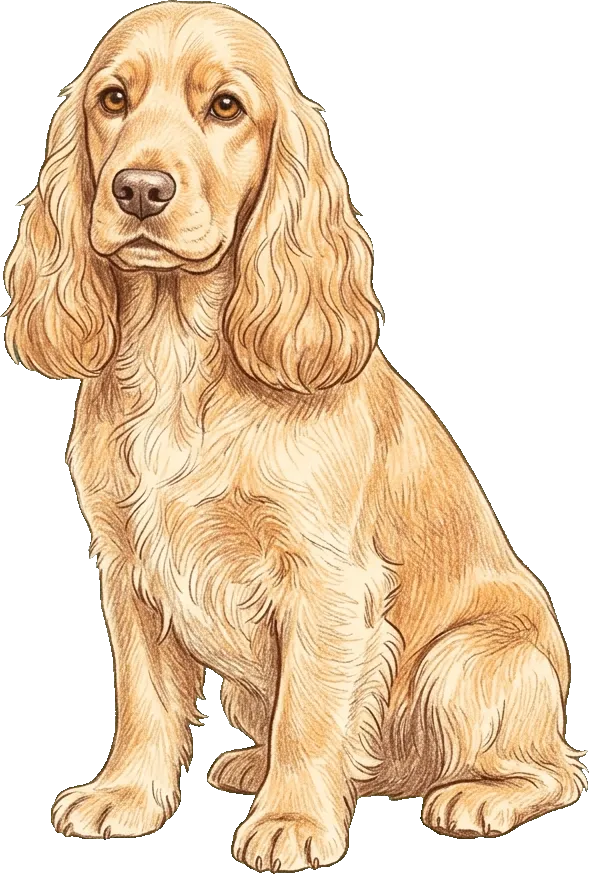
2. Cocker Spaniel
The Cocker Spaniel is a forgiving first dog: eager to please, quick to pick up a routine, and a manageable size that stays easy to handle on the lead. Just don't mistake its size for low energy — it is an active sporting breed that needs a good daily walk and enrichment to stay happy. Its cheerful, people-oriented nature makes early socialising straightforward for a new household; budget for the grooming its coat needs, and always supervise its gentle introductions with young children.
Why it's a strong match
- Eager to please and responsive to training — forgiving for a first-time owner.
- A manageable size for a first-time household to handle day to day.
- Outgoing and people-oriented — easy for a new household to bond with.
- Moderate-to-low separation-anxiety risk — a gentler alone-time learning curve.
Good to know
- High grooming upkeep — budget time or a groomer.
- Always supervise interactions between dogs and young kids.
- Breed-associated health screening matters — ask your vet or breeder about chronic otitis externa (ear disease) and progressive retinal atrophy.
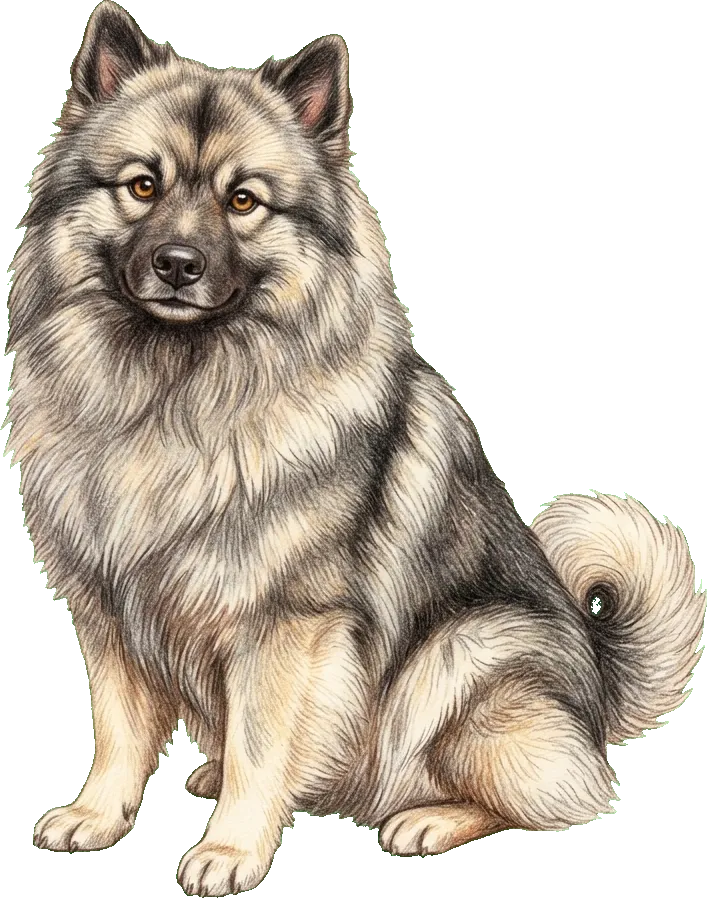
3. Keeshond
The Keeshond is an affectionate, people-loving spitz that suits first-time families well: gentle with children, eager to be involved, and quick to bond. Its plush double coat sheds heavily — especially during seasonal moults — so budget time for regular brushing. Naturally alert, it will bark to announce visitors, and it is happiest with company rather than long stretches left alone.
Why it's a strong match
- Eager to please and responsive to training — forgiving for a first-time owner.
- A manageable size for a first-time household to handle day to day.
- Outgoing and people-oriented — easy for a new household to bond with.
- Moderate-to-low separation-anxiety risk — a gentler alone-time learning curve.
Good to know
- Sheds heavily — plan for regular grooming and cleaning.
- High grooming upkeep — budget time or a groomer.
- Always supervise interactions between dogs and young kids.
- Breed-associated health screening matters — ask your vet or breeder about pulmonic stenosis and idiopathic epilepsy.
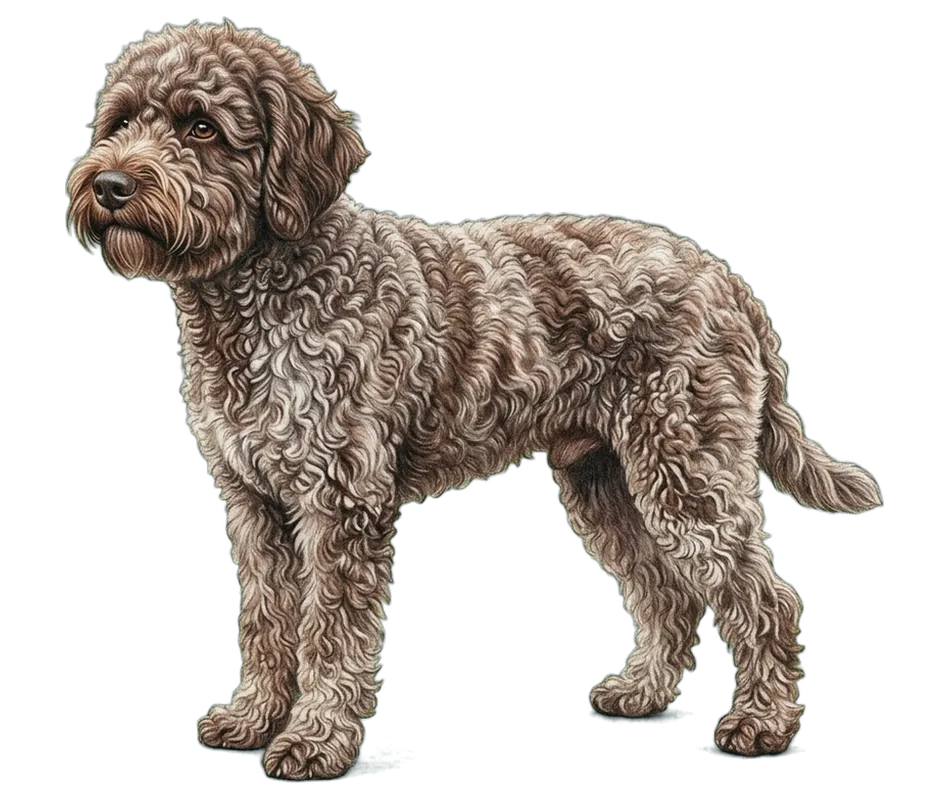
4. Lagotto Romagnolo
The Lagotto Romagnolo is a clever, affectionate working water dog that rewards first-time owners who want an active, engaged companion. Genuinely trainable and people-oriented, it thrives on positive training and daily mental stimulation — a bored Lagotto will invent its own jobs. Its curly, low-shedding coat needs regular brushing and periodic clipping to stay comfortable, and it settles best with company rather than long hours alone.
Why it's a strong match
- Eager to please and responsive to training — forgiving for a first-time owner.
- A manageable size for a first-time household to handle day to day.
- Outgoing and people-oriented — easy for a new household to bond with.
- Moderate-to-low separation-anxiety risk — a gentler alone-time learning curve.
Good to know
- High grooming upkeep — budget time or a groomer.
- Always supervise interactions between dogs and young kids.
- Breed-associated health screening matters — ask your vet or breeder about benign familial juvenile epilepsy and elbow dysplasia.
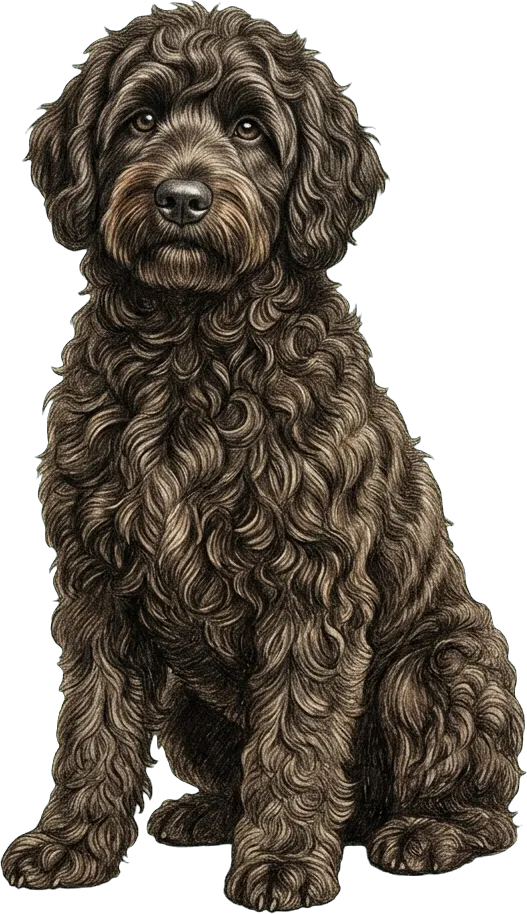
5. Portuguese Water Dog
The Portuguese Water Dog is a biddable, people-loving family dog with a low-shedding coat that many households appreciate, and its eager-to-please nature makes early training genuinely enjoyable. It is affectionate with children and sociable with dogs, but this is an athletic working breed at heart: it needs plenty of daily exercise and real mental engagement, not just a stroll. Its curly coat is high-maintenance, needing regular brushing and professional grooming, so plan for that time and cost before committing.
Why it's a strong match
- Eager to please and responsive to training — forgiving for a first-time owner.
- A manageable size for a first-time household to handle day to day.
- Outgoing and people-oriented — easy for a new household to bond with.
- Moderate-to-low separation-anxiety risk — a gentler alone-time learning curve.
Good to know
- Higher exercise needs — commit to structured daily activity.
- High grooming upkeep — budget time or a groomer.
- Always supervise interactions between dogs and young kids.
- Breed-associated health screening matters — ask your vet or breeder about dilated cardiomyopathy and GM1 gangliosidosis.
How we chose these
We list only breeds that strongly match — sometimes that's fewer than five.
We start from the neutral breed catalogue and keep only breeds that tend to suit a first-time home: responsive to training (forgiving of a beginner's early mistakes), a manageable size, outgoing with people, and comfortable learning to be left alone. Very high-energy breeds are set aside — they are a lot for a first dog — and, as a welfare precaution, some breeds are held back from this particular list; that is a note about fit, not a judgement of any breed. Health is weighted in too. We never present any breed as a guarantee around children — always supervise young kids with dogs and meet a dog first. This describes typical fit for a novice owner, not any breed's character or worth.
Breed traits are a starting point, not a guarantee — temperament varies with the individual dog, its breeding and upbringing. Meet the dog first, and please consider rescue and adoption.