Coton de Tulear
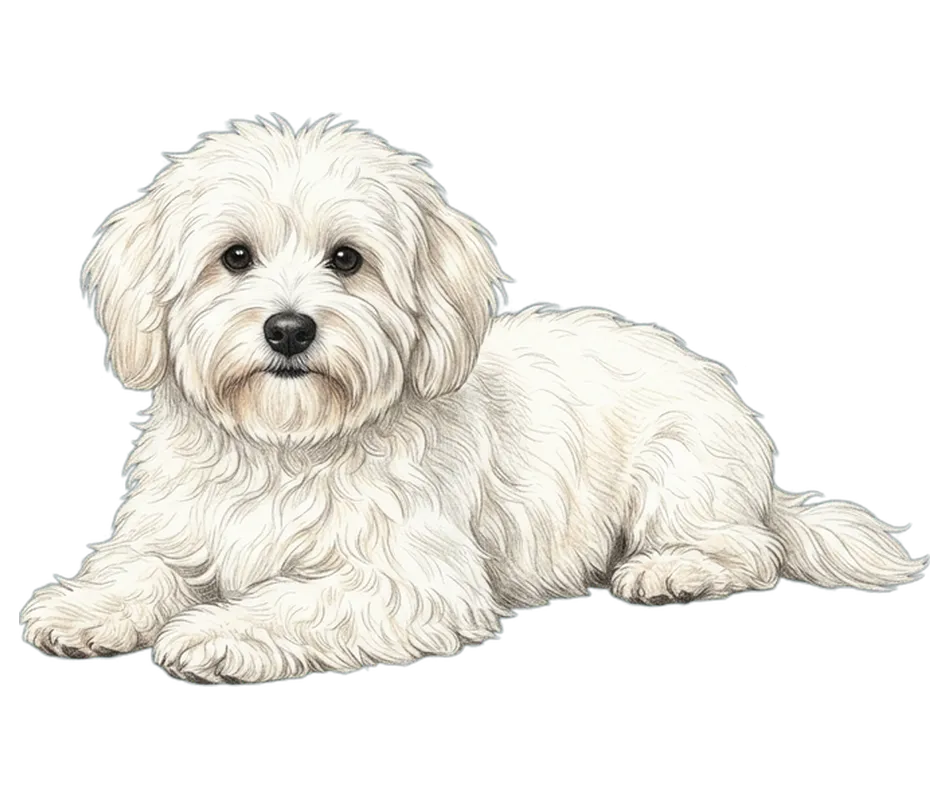
The Coton de Tulear is a small companion breed from Madagascar, named for its cotton-soft coat and bred for centuries to be a cheerful, devoted presence at its people's side. Living well with one means embracing a dog that genuinely wants to be near its family, a fluffy coat that needs regular brushing to stay comfortable and mat-free, and a playful, people-oriented temperament that thrives on inclusion rather than long stretches alone. With consistent grooming, gentle training, and plenty of togetherness, the Coton is an easygoing, affectionate companion for households of nearly any size.
Daily-care planners
House-training
Moderate to house-trainHouse-training a Coton de Tulear generally goes smoothly thanks to its eagerness to please, though like many small companion breeds it benefits from extra patience: a small bladder means more frequent trips outside, especially as a puppy. A predictable schedule — out after meals, naps, and play, with warm praise for every success outdoors — builds the habit steadily. Crate training and closely supervising indoor time in the early months help prevent sneaky accidents in a busy household.
Walks
Moderate exercise needsThe Coton de Tulear's walking needs are modest: a daily walk or two plus some playtime keeps this companion breed fit and content, without the demands of a high-energy working dog. Because Cotons are so people-focused, leash manners come easily with consistent, reward-based practice, and short, upbeat sessions suit a puppy's developing joints better than long treks. Keep an eye on the coat after wet or muddy walks, since damp hair left ungroomed can mat quickly, and a gentle towel-dry and brush-out afterward keeps a dog comfortable. A relaxed, sociable walk that includes plenty of praise fits this breed's temperament perfectly.
Plan walksTemperament
Bred on the island of Madagascar as a companion to sailors and, later, aristocracy, the Coton de Tulear's whole history centers on staying close to people, and that heritage shows clearly today. This is a breed that wants to be included in everything — following an owner room to room, greeting guests with enthusiasm, and settling contentedly in a lap at the end of the day. That devotion makes the Coton a wonderful fit for attentive households, though it also means the breed does best when family time is a regular part of its routine rather than an occasional treat.
Cotons are clever, food-motivated, and generally eager to please, which makes reward-based training an enjoyable, effective way to build good manners and a confident temperament. They are known for being surprisingly vocal and expressive, sometimes using a range of chirps and mutters rather than typical barking to "talk" with their people. Early, positive socialization helps this naturally sociable breed grow into a dog that is comfortable with new people, other dogs, and everyday changes in routine.
Physically, the Coton is a moderate-energy dog: playful bursts and a daily walk or two keep it fit without demanding the mileage of a sporting breed. The real daily commitment is the coat — that signature soft, cottony texture mats quickly if brushing is skipped, and the hair around the eyes and ears needs regular attention to keep both comfortable. Cotons generally do well with children and other pets when introductions are thoughtful, and their compact size and gentle nature make them a good match for calm households of many shapes, from apartments to larger family homes.
What life with a Coton de Tulear asks of you
Grooming & coat
- Grooming effort
- High grooming
- Shedding
- Minimal shedding
- Coat
- Long coat
Exercise & enrichment
- Daily exercise
- Moderate exercise needs
- Mental stimulation
- Moderate mental stimulation
- Trainability
- Eager to please
Temperament & sociability
- With people
- Enthusiastically friendly
- With dogs
- Sociable with other dogs
- With kids
- Gentle with children (always supervise)
- Barking / noise
- Moderately vocal
- Chase instinct
- Low prey drive
- Time alone
- Moderate separation-anxiety risk
Home & climate fit
- Hot weather
- Moderate heat tolerance
- Cold weather
- Low cold tolerance
- House-training
- Moderate to house-train