Brachycephalic (Flat-Faced) Dogs: A Simple Guide to Walking, Heat, and Potty Training
Last reviewed: 2026-07-09 · General information only.
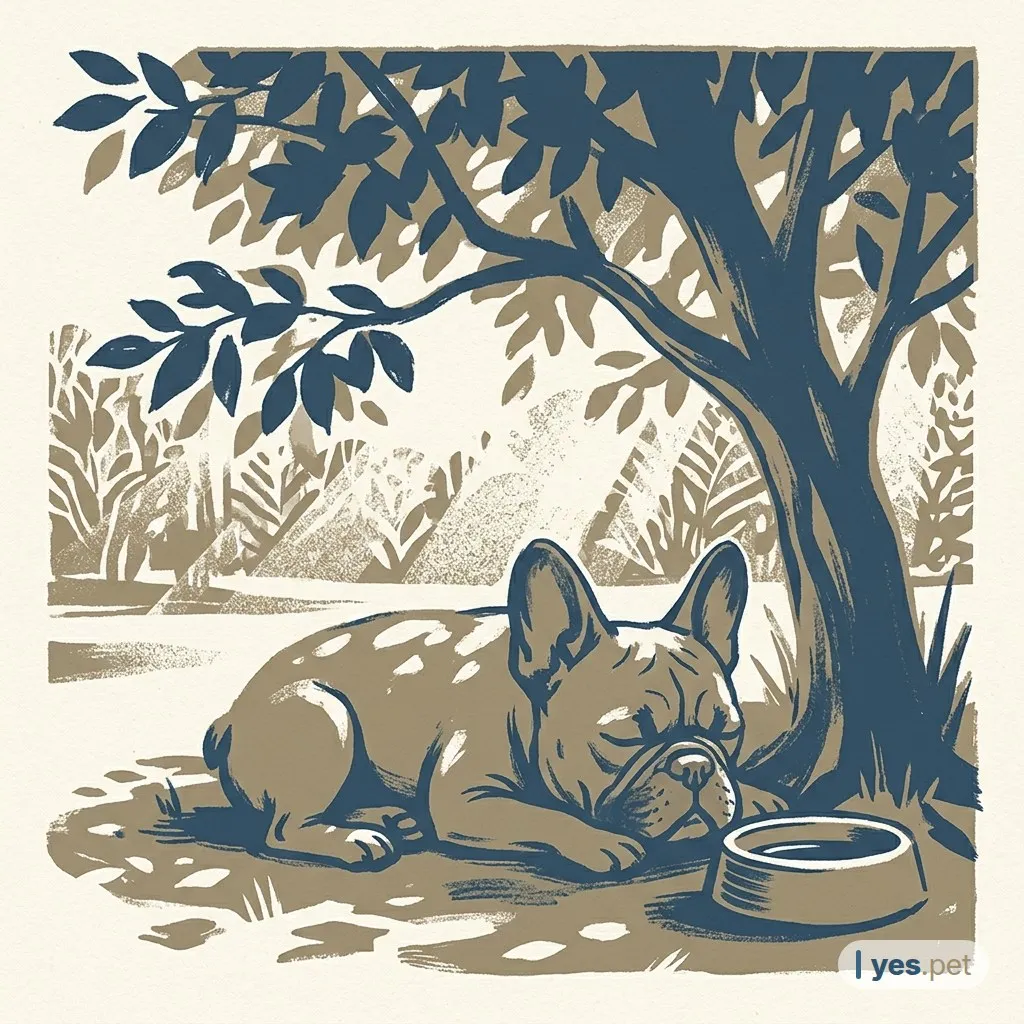
Flat-faced dogs — French Bulldogs, Bulldogs, Boxers, Pugs, Shih Tzus and others — are some of the most popular companions in the world, and for good reason. But their short muzzle, charming as it is, comes with a few practical things every owner should understand. The biggest ones are around breathing and heat, which directly affect how you should walk them. This is a simple, no-panic guide to what changes for a flat-faced dog, what stays the same, and the signs that mean it's time to call your vet.
What does "brachycephalic" actually mean?
"Brachycephalic" simply means short-headed. These are the flat-faced, short-muzzled breeds with the pushed-in nose that so many people love.
Brachycephalic breeds include the French Bulldog and English Bulldog, Boxer, Boston Terrier, Pekingese, Pug, Lhasa Apso, and Shih Tzu, among others. [src]
Here's the key point in plain terms: the muzzle is shorter, but the soft tissue inside the nose and throat is still about the normal amount — so it ends up crowded into a smaller space. That usually means narrower nostrils and a soft palate that's a bit too long for the mouth, both of which make it harder to move air in and out.
When these features add up enough to cause real breathing difficulty, vets call it BOAS — Brachycephalic Obstructive Airway Syndrome — the name for breathing problems caused by a flat face. [src]
Many flat-faced dogs live happy, active lives — but a large number experience at least some degree of breathing restriction, which is exactly why every owner of one of these breeds benefits from knowing how to keep walks and hot days safe.
Walking a flat-faced dog: heat is the big one
Dogs cool themselves mainly by panting. A flat-faced dog pants less efficiently, so it struggles to shed heat — which makes overheating the single most important thing to manage on walks.
As PDSA puts it, it's difficult for flat-faced breeds to stay cool on hot days because they lose a lot of heat by panting, which is less effective in these dogs — leaving them very sensitive to heatstroke, which can be fatal. [src]
The practical rules are simple. Walk in the cool parts of the day — early morning and late evening. On hot or humid days, shorten the walk or skip it entirely and do something calm indoors instead. Always bring water, stick to shade, and treat heavy or frantic panting as a signal to stop and rest.
Use a harness rather than a neck collar. A collar presses on the windpipe, and in a breed whose airway is already narrowed, that extra pressure makes breathing noticeably harder. [src]
Keep sessions shorter and the pace relaxed, and build fitness up gradually rather than all at once. Keeping your dog at a healthy weight matters too — extra weight adds tissue around the neck and airways and makes breathing harder still.
Does a flat face make potty training harder?
Good news first: a short muzzle has no direct effect on house-training — there's no link between the shape of a dog's face and how quickly a puppy learns to toilet outside. One thing worth keeping on your radar, though: a young dog that constantly dribbles urine, or simply can't stay dry despite a sensible routine, should be checked by a vet, as that can be a medical sign rather than a training problem.
What does come up is indirect. Several of the most popular flat-faced breeds — French Bulldogs, English Bulldogs, and Shih Tzus in particular — are independently known for a stubborn streak and a strong dislike of cold or wet weather. A puppy that doesn't want to step outside in the rain is simply slower to build the outdoor habit. That's about temperament and weather, not their nose.
So the approach is the same as for any puppy, with a couple of weather-proofing tweaks: keep a consistent daily schedule, set up a sheltered or covered potty spot for bad weather, reward the instant your dog goes in the right place, and lean on patience rather than corrections. In genuinely harsh weather, indoor pads can serve as a temporary bridge.
Our potty schedule generator builds a routine around your dog's day, and each flat-faced breed has its own page with a realistic training-difficulty note.
Breathing and heat: warning signs to know
Some breathing noise is extremely common in these breeds — but common isn't the same as healthy.
Vets increasingly stress that snorting and persistent snoring aren't just harmless quirks; they can be early signs of restricted airways and are worth raising with your vet — especially any noise that is getting worse over time. [src]
Mildly affected dogs have noisy breathing, especially with exercise. More severely affected dogs tire easily with exertion and may collapse or faint after exercise — a clear sign to see your vet. [src]
Sleep is another place to watch: a dog that often wakes up gasping or choking, or that sleeps with its head propped up on a toy or the edge of the bed to keep its airway open, is worth a vet check.
Heatstroke is the emergency to recognise on walks. Get help fast if you see any of these:
- Frantic, non-stop panting
- Heavy drooling
- Bright red gums
- Wobbliness or confusion
- Collapse
If you see these signs, the current veterinary advice is to "cool first, transport second": move your dog into shade and start cooling straight away — pour cold water (cold tap water is ideal, but not ice-cold) over the body, add a breeze from a fan or open windows, and keep cooling on the way to the clinic rather than waiting until you arrive. The faster a dog is cooled, the better the outcome. [src]
Blue-tinged gums or skin, or a collapse, are signs that a dog isn't getting enough oxygen — treat these as an emergency. [src]
This is general information, not a diagnosis. It helps to tell two situations apart: blue gums, non-stop frantic panting, or collapse are life-threatening — get to a vet instantly. Slower changes — breathing that's gradually getting noisier, or a dog tiring sooner on walks — still deserve a non-urgent check-up.
For the popular flat-faced breeds there are now recognised breathing-assessment schemes that grade a dog's airway function, and effective treatments exist when they're needed — your vet can advise. [src]
Key takeaway
Flat-faced dogs make wonderful companions — they just need cooler, shorter, calmer walks, a harness instead of a collar, and a careful eye on hot days. Potty training isn't affected by their face; it's about a steady routine and working around their dislike of bad weather. Learn the breathing and heatstroke warning signs, keep your dog lean, and check in with your vet if breathing ever seems to be getting worse.
Turn this advice into a schedule →
Related guides
Frequently asked questions
Which dogs are brachycephalic (flat-faced)?
Common brachycephalic breeds include French Bulldogs, English Bulldogs, Boxers, Boston Terriers, Pugs, Pekingese, Lhasa Apsos, and Shih Tzus. They share a short muzzle and pushed-in nose, which can make breathing and cooling down harder than for longer-nosed breeds.
Is it safe to walk a flat-faced dog in summer?
With care, yes. Walk only during the coolest parts of the day — early morning and late evening — keep sessions short, bring water, stay in shade, and skip the walk altogether on hot or humid days. Flat-faced dogs overheat easily because they can't pant as efficiently, so heatstroke is a real risk. Stop and rest at the first sign of heavy, frantic panting.
Are flat-faced dogs harder to potty train?
A flat face has no direct effect on housetraining. However, several flat-faced breeds — such as French Bulldogs, Bulldogs, and Shih Tzus — tend to be a bit stubborn and strongly dislike cold or wet weather, which can make them reluctant to go outside and slow progress. A consistent schedule, a sheltered potty spot, and immediate rewards work best.
What are the signs my flat-faced dog is struggling to breathe?
Watch for breathing noise that's getting worse, tiring quickly on mild walks, and any collapse or fainting after light activity. Bright red or blue-tinged gums, frantic non-stop panting, and wobbliness can signal overheating or low oxygen — treat these as an emergency. Current veterinary advice for heatstroke is to "cool first, transport second": start cooling your dog straight away with cold (not ice-cold) water and keep cooling on the way to the vet. This is general guidance, not a substitute for veterinary advice.
Can flat-faced dogs fly on planes?
Often not easily. Many airlines restrict or refuse flat-faced breeds — especially in the cargo hold — because the heat, stress and limited airflow of air travel are riskier for a dog that already breathes with difficulty. If you need to fly with a brachycephalic dog, check your specific airline's current policy well in advance and ask your vet whether travel is advisable for your individual dog. This is general guidance, not a substitute for veterinary or airline advice.
Sources
- VCA Animal Hospitals — Brachycephalic Airway Syndrome in Dogs (opens in a new tab)
- The Royal Kennel Club — Brachycephalic dogs (opens in a new tab)
- PDSA — BOAS: breathing problems in flat-faced dogs (opens in a new tab)
- Royal Veterinary College (VetCompass) — Owners urged to "cool first, transport second" for dog heatstroke (opens in a new tab)