Spanish Water Dog
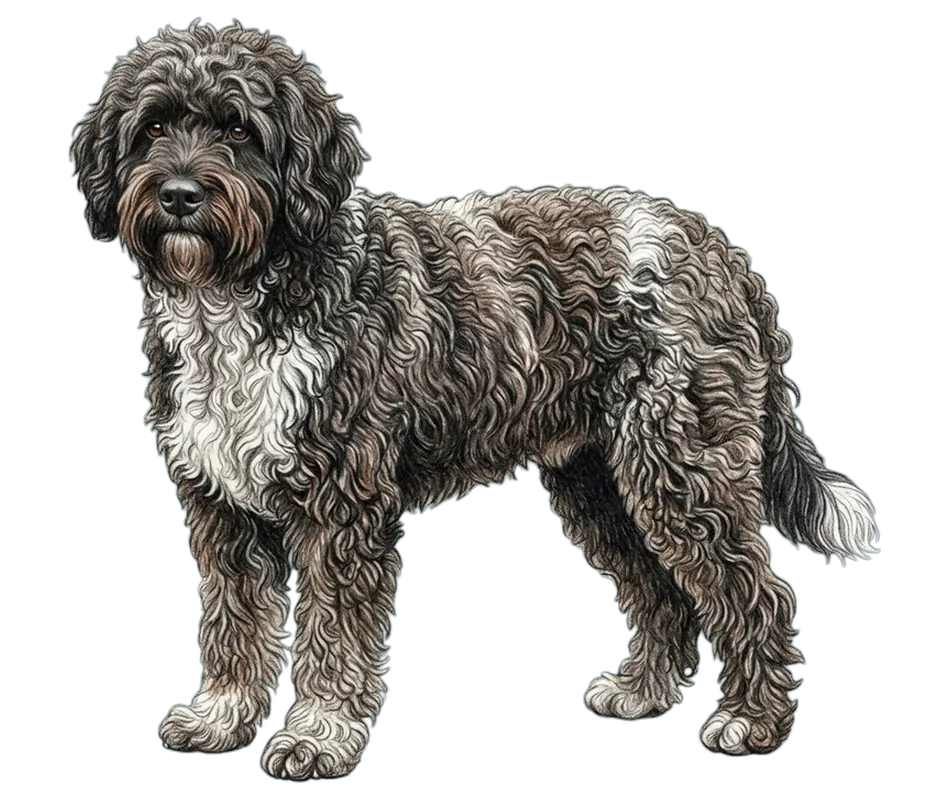
The Spanish Water Dog (Perro de Agua Español) is a rustic, single-coated herder and all-purpose farm dog from the Iberian Peninsula, historically used to herd livestock, guard rural homesteads, and retrieve nets and gear for fishermen — work that produced a versatile, hardy companion equally at ease on land or in water. Living well with one means embracing an intelligent, high-energy dog that thrives on having a job, a distinctive curly coat that needs periodic clipping rather than brushing, and a close, one-family bond that calls for real daily engagement rather than a quiet lap-dog role. Regular exercise, consistent training, and early socialization bring out the loyal, playful, watchful companion this breed is meant to be.
Daily-care planners
House-training
Moderate to house-trainHouse-training a Spanish Water Dog tends to go smoothly, since the breed is intelligent and genuinely wants to work with its people. That same independent streak, though, means a routine has to stay consistent for the habit to stick — frequent, calm trips outside after meals, naps, and active play, paired with upbeat praise for every success, build the pattern efficiently. Crate training and close supervision during the early weeks help prevent accidents from becoming a habit of their own.
Walks
High exercise needsThe Spanish Water Dog's exercise needs are substantial: this is a working herder and retriever bred for a full day's activity, and a short daily walk alone rarely satisfies it. Vigorous exercise, swimming, retrieving games, or structured herding, agility, or dock-diving work give both body and this breed's sharp mind something to do — under-exercised dogs often redirect that energy into barking, digging, or herding household members. The curly coat sheds very little but mats quickly if brushed, so towel-dry rather than brush after wet walks or swims, and plan for a periodic clip instead of routine grooming. Puppies do best with low-impact play and shorter outings while their joints are still developing, building toward the breed's naturally high adult stamina, and early leash and recall training pay off given how strong the herding and retrieving drives can be.
Plan walksTemperament
The Spanish Water Dog developed over centuries on farms and in fishing villages across Spain, serving as an all-purpose utility dog: herding sheep and goats, guarding property, and helping fishermen by retrieving nets and swimming lines to shore. That working heritage shaped a dog prized for intelligence, versatility, and hardiness rather than looks, and it still shows up today in a breed that wants a purpose, not just a place on the sofa.
At home this produces a watchful, deeply loyal companion that bonds closely with its family and can be reserved with strangers, so early, positive socialization matters for a confident, well-mannered adult. Spanish Water Dogs are highly trainable and eager to work with their people, but the same independent decision-making that made a good herder means they think for themselves rather than following blindly — consistent, reward-based training that respects that intelligence works far better than repetition or correction.
Bred to herd and retrieve all day, this breed carries genuinely high exercise and mental-stimulation needs; without an outlet, herding instincts can surface as nipping at heels or chasing joggers, cyclists, or running children, so structured games, training, and supervised play channel that drive constructively. With other dogs they can be selective, particularly with same-sex housemates, so thoughtful introductions help. They are affectionate and playful with the children they are raised with, and their water-loving, retrieving nature makes them natural partners for active families, though the same herding instinct means supervised play keeps younger children from being startled by a nip or a nudge.
What life with a Spanish Water Dog asks of you
Grooming & coat
- Grooming effort
- Moderate grooming
- Shedding
- Minimal shedding
- Coat
- Medium coat
Exercise & enrichment
- Daily exercise
- High exercise needs
- Mental stimulation
- High mental stimulation
- Trainability
- Eager to please
Temperament & sociability
- With people
- Politely friendly
- With dogs
- Selective with other dogs
- With kids
- Gentle with children (always supervise)
- Barking / noise
- Moderately vocal
- Chase instinct
- Moderate prey drive
- Time alone
- Moderate separation-anxiety risk
Home & climate fit
- Hot weather
- Moderate heat tolerance
- Cold weather
- Moderate cold tolerance
- House-training
- Moderate to house-train