Lhasa Apso
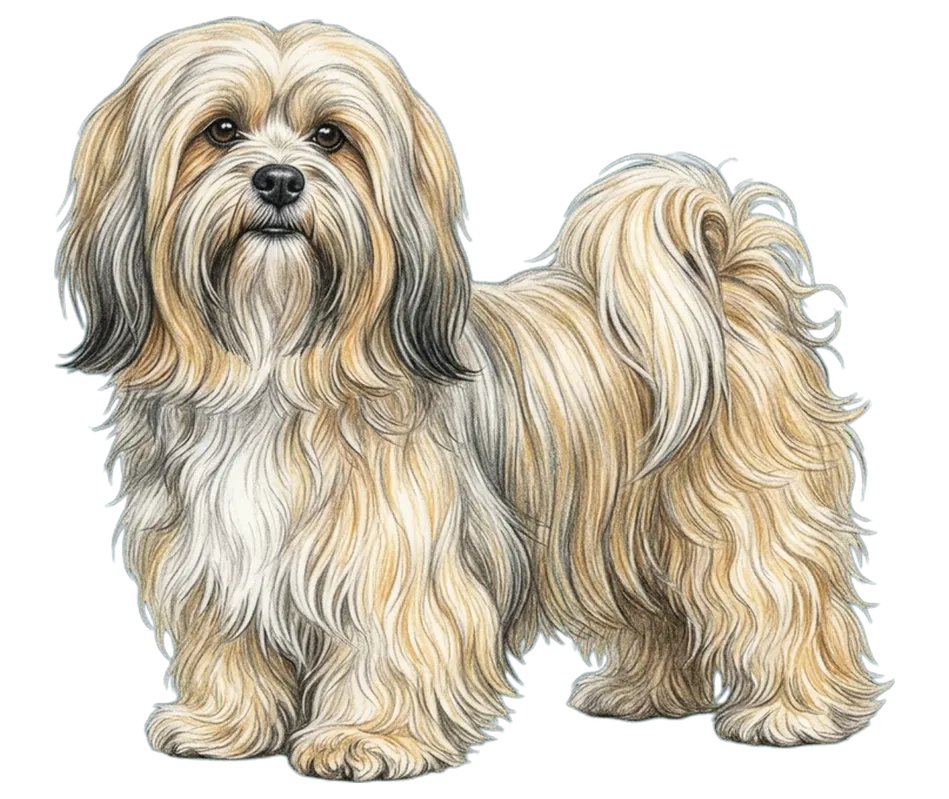
The Lhasa Apso is a small dog with an outsized sense of purpose, bred for centuries as an alert sentinel in Tibetan monasteries and palaces — a heritage that still shows up as a confident, watchful personality tucked inside a lavish, flowing coat. Living well with one means embracing an independent-minded companion who is devoted to family but reserved with strangers, alongside real daily grooming and a housetraining process that rewards patience over speed. Consistent, kind structure and early socialization bring out the steady, self-assured companion this ancient breed is built to be.
Daily-care planners
House-training
Challenging to house-trainHousetraining a Lhasa Apso often takes more patience than with many other breeds — their independent nature and small bladder mean accidents can happen even after the basics seem learned. A predictable schedule, a consistent exit point, and calm, immediate praise for outdoor successes work far better than any correction, and crate training or close supervision indoors helps prevent unsupervised accidents while the habit sets in.
Walks
Moderate exercise needsA Lhasa Apso's exercise needs are modest but real: a couple of daily walks plus some active play keep this alert little dog fit and satisfied without demanding a large yard or long mileage. Their heavy coat is better suited to cool weather, so plan walks for the cooler parts of the day in summer and consider a light coat of their own in cold, wet conditions to protect the long fur from matting. A well-fitted harness protects the neck and windpipe better than a collar, and because they can be reactive or vocal toward unfamiliar dogs, a calm, well-managed route helps every walk stay a positive experience.
Plan walksTemperament
For over a thousand years, Lhasa Apsos served as indoor watchdogs in Tibetan monasteries and noble households, alerting the household to any change with a sharp bark while leaving the actual guarding to larger dogs. That heritage shaped a small dog with an outsized sense of self: alert, self-possessed, and naturally suspicious of unfamiliar people, yet playful, affectionate, and even comedic with the family it trusts.
Their independent streak means they think for themselves rather than looking to please on command, so patient, consistent, reward-based training works far better than repetition or firmness. Early, positive socialization is especially important to help a Lhasa Apso grow into a confident adult rather than a fearful or overly vocal one, since their watchdog instincts make them quick to bark at new sounds and visitors.
With other dogs they tend to be selective, often preferring familiar company to boisterous introductions, and their small size means interactions with much larger dogs deserve supervision. They can be wonderful family companions, though their combination of small stature, independence, and low tolerance for rough handling makes them a better match for households with older, gentle children than with toddlers.
What life with a Lhasa Apso asks of you
Grooming & coat
- Grooming effort
- High grooming
- Shedding
- Minimal shedding
- Coat
- Long coat
Exercise & enrichment
- Daily exercise
- Moderate exercise needs
- Mental stimulation
- Moderate mental stimulation
- Trainability
- Independent thinker
Temperament & sociability
- With people
- Reserved with strangers
- With dogs
- Selective with other dogs
- With kids
- Good with considerate children (supervise)
- Barking / noise
- Vocal
- Chase instinct
- Low prey drive
- Time alone
- Moderate separation-anxiety risk
Home & climate fit
- Hot weather
- Low heat tolerance
- Cold weather
- High cold tolerance
- House-training
- Challenging to house-train