How to Make Dog Walks More Enriching: Games & Tips
Last reviewed: 2026-07-24 · General information only.
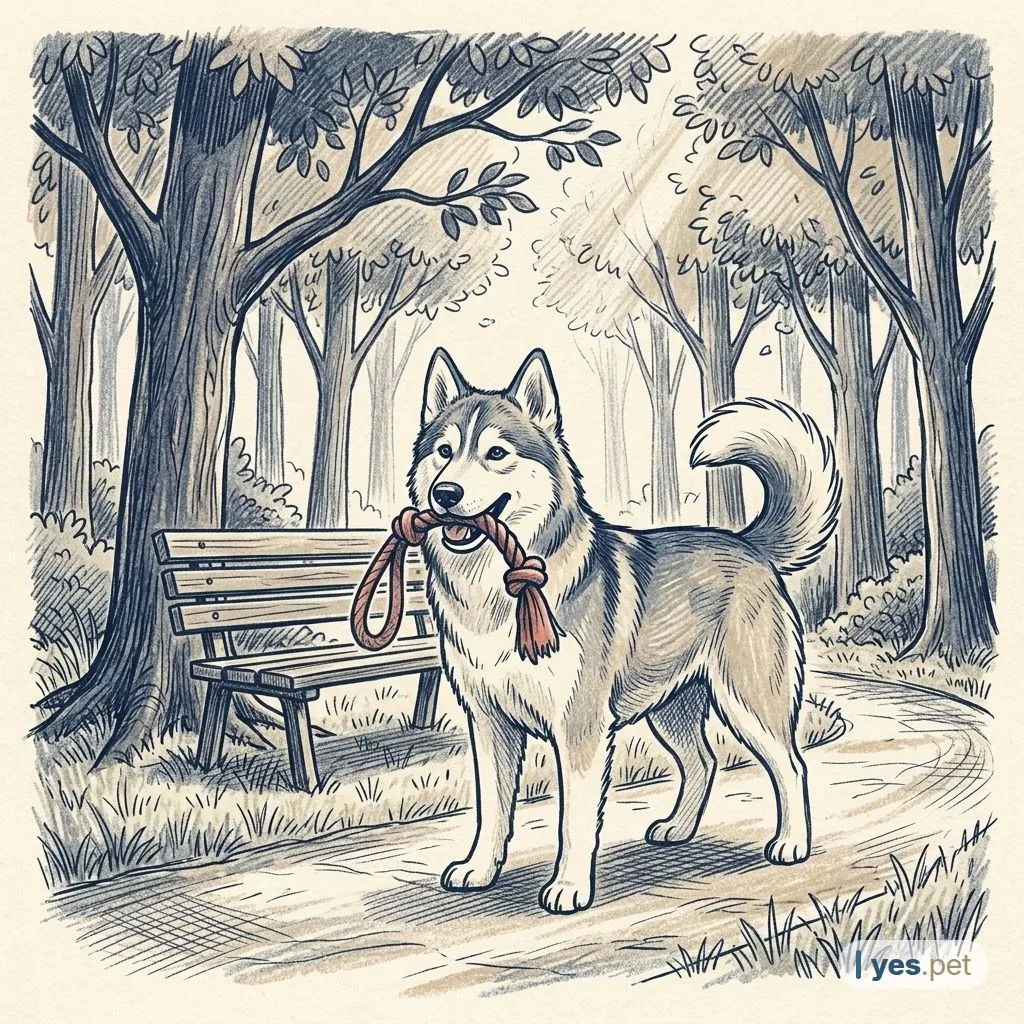
Every dog owner knows that walks are essential, but it can be surprisingly easy to fall into a repetitive routine. If you are wondering how to make dog walks more enriching, adding simple outdoor games and letting your dog use their incredible senses is a great way to upgrade a standard stroll.
The Difference Between a Walk and a Relief Break
When we have a busy schedule, it's easy to view dog walks simply as a necessary chore. However, it helps to distinguish between a 'Quick Relief Break' and a 'Main Active Walk'. A relief break is a short, comfortable outing focused purely on toilet needs, which is perfectly fine for busy days.
A main active walk, on the other hand, is an opportunity for physical exercise, play, and mental work. These are the walks where your dog can truly decompress. Remember, 30 minutes of high-quality, engaged time is often much more beneficial than two hours of passive walking on a tight leash. Not sure how long your active walk should be? Use our Walk Calculator.
The Power of the Sniffari
One of the simplest ways to make dog walks more enriching is to let your dog follow their nose. While physical exercise works their muscles, using their nose works their brain.
The chance to smell gives a dog important information about their surroundings, along with essential mental stimulation. [src]
Giving your dog dedicated time to explore scents allows them to process the world, which is inherently calming and rewarding for them.
Engaging Outdoor Games
Adding structured games into your walk is a fantastic way to bond and build focus. 'Find It' is a simple scent hide-and-seek game where you toss a treat or toy into long grass and encourage your dog to sniff it out.
Recall games, where you practice calling your dog between family members or away from low-level distractions, build vital safety skills while being incredibly fun. If your dog enjoys fetching or retrieving, incorporate short sessions of this, but always ensure the ground is soft and safe to protect their joints from sudden stops.
Special Considerations for Puppies
If you have a young puppy, their walks should look very different from an adult dog's routine. Puppies have developing joints and immature bladders, meaning they need frequent, short relief breaks rather than long hikes.
You will often see the 'five-minute rule' quoted — about five minutes of exercise per month of age. The veterinary charity PDSA notes that there is no scientific evidence behind this rule, and that it is not appropriate for most puppies. [src]
So rather than counting minutes against a formula, watch the puppy in front of you. Keep outings gentle and short, and focus on positive socialization, exploring new textures, and basic loose-leash skills rather than covering distance. Let your veterinarian set the limits for your puppy's breed and stage of growth — they can account for joint development in a way no rule of thumb can.
Walk Type vs. What It Gives Your Dog
| Outing Type | Primary Focus | Benefits for the Dog |
|---|---|---|
| Quick Relief Break | Toilet comfort | Bladder/bowel relief, routine maintenance |
| Sniffari (Decompression) | Nosework & exploration | Mental fatigue, stress reduction, sensory engagement |
| Active Game Walk | Play & training | Cardiovascular health, bonding, impulse control |
Key takeaway
An enriching walk isn't about covering miles; it's about engaging your dog's mind and body through play, scent work, and quality time together.
Turn this advice into a schedule →
Related guides
Frequently asked questions
How long should an enriching walk last?
For many adult dogs, an engaged 30 to 40-minute walk with games and sniffing is incredibly fulfilling. Adjust to your individual dog's age, breed, and health.
Can older dogs benefit from a Sniffari?
Absolutely! Nosework is low-impact and highly stimulating, making it the perfect enrichment activity for senior dogs who may not be able to walk long distances.
Is this a substitute for veterinary advice?
No. yes.pet provides general information only and is not a substitute for professional veterinary advice, diagnosis or treatment. Always consult your veterinarian.
Sources
- Why Does My Dog Sniff Everything? (opens in a new tab) — American Kennel Club
- Exercising your puppy (opens in a new tab) — PDSA