Yorkshire Terrier
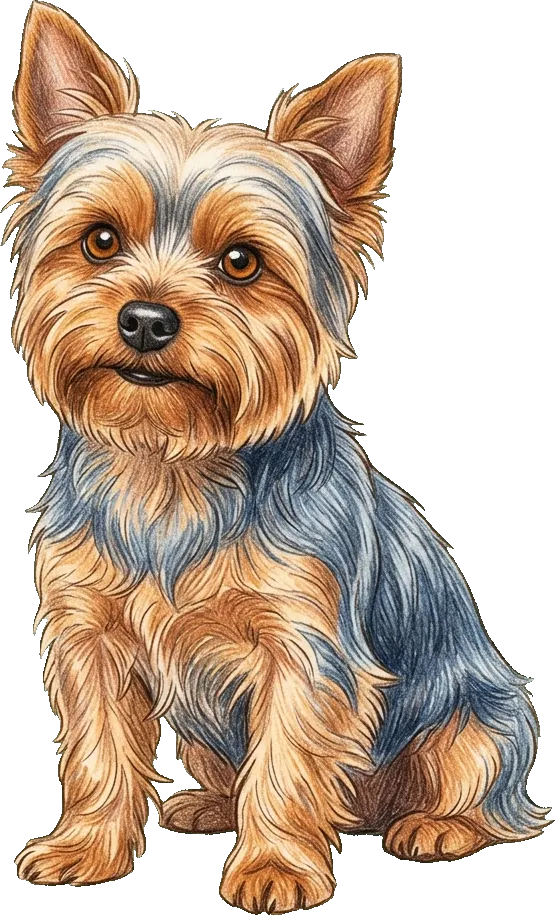
The Yorkshire Terrier is a spirited, highly affectionate toy breed with a surprisingly bold terrier personality—and living well with one is mostly about balancing that big energy in a tiny frame. This guide covers the realities of daily life, from managing their delicate coat and high grooming needs to tackling the notoriously tricky house-training phase and keeping them warm on walks.
Daily-care planners
House-training
Challenging to house-trainSmall bladder, stubborn nature, and dislike of cold weather make Yorkies one of the trickier toy breeds. Indoor pad training as a bridge is very common.
Walks
Moderate exercise needsSmall but spirited — Yorkies carry full energy in a tiny frame. Cold or wet weather calls for a coat or sweater. A harness is generally preferred over a neck collar given their delicate build. Short, frequent outings suit their size better than one long session; they tend to be bold and curious walkers regardless of the weather.
Plan walksTemperament
Although small in stature, the Yorkie is a true terrier at heart—feisty, curious, and closely attached to their people. They pack a surprising amount of confidence and vocal energy into a compact body.
Because of their tiny size, they adapt easily to apartment living and don't need a sprawling yard, but they still require daily mental and physical outlets. Short, frequent walks rather than long treks suit them best, along with indoor play and puzzle toys to satisfy their clever minds and moderate energy levels.
While deeply devoted to their favorite humans, they are delicate and can be easily overwhelmed, making them better suited to calm households with older children or adults. They thrive with patient, consistent training and prefer constant companionship, as they are prone to separation anxiety if left alone for long periods.
Their high prey drive means they might be tempted to chase smaller animals, and they can be selective or bossy with other dogs. Careful, positive introductions are essential to help them navigate multi-pet environments safely.
Originally bred to catch rats in English textile mills, that persistent working heritage still shines through today. For modern owners in varied climates, their silky, single coat means they often need a sweater in cold weather and a well-fitted harness to protect their fragile windpipes during daily outings.
What life with a Yorkshire Terrier asks of you
Grooming & coat
- Grooming effort
- High grooming
- Shedding
- Minimal shedding
- Coat
- Long coat
Exercise & enrichment
- Daily exercise
- Moderate exercise needs
- Mental stimulation
- Moderate mental stimulation
- Trainability
- Balanced
Temperament & sociability
- With people
- Politely friendly
- With dogs
- Selective with other dogs
- With kids
- Better suited to older children (supervise)
- Barking / noise
- Vocal
- Chase instinct
- High prey drive
- Time alone
- High separation-anxiety risk
Home & climate fit
- Hot weather
- Moderate heat tolerance
- Cold weather
- Low cold tolerance
- House-training
- Challenging to house-train