Vizsla
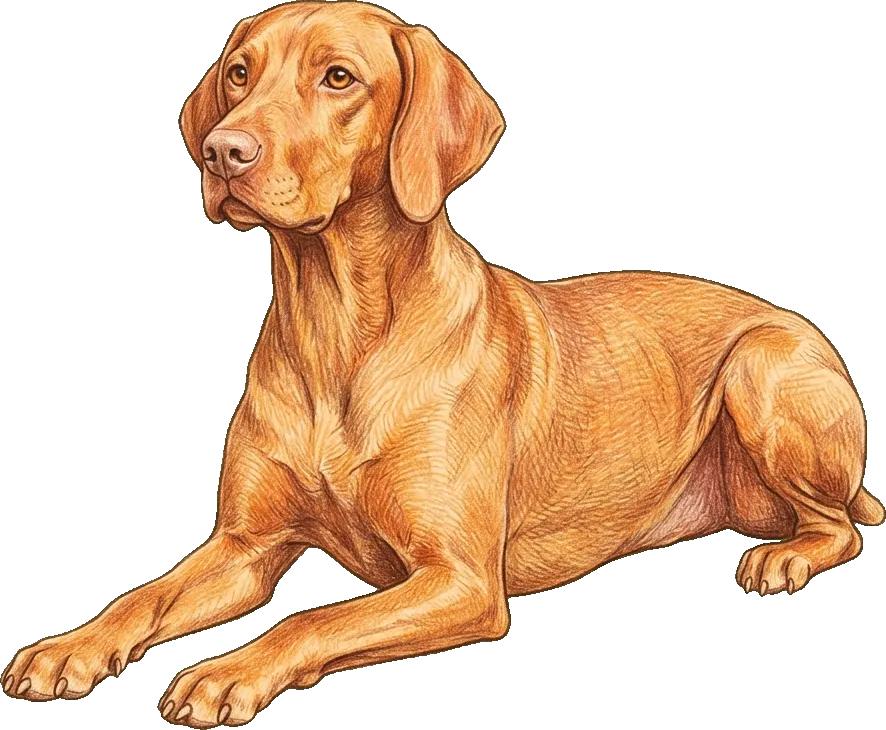
The Vizsla is a deeply affectionate, high-energy companion known as the ultimate "velcro dog" because of how closely it bonds with its people. Living well with this breed means providing significant daily running or cycling and ensuring they are rarely left alone, as they thrive on constant companionship. This guide covers daily life, including their need for vigorous exercise, their sensitive nature, and managing their thin coat in chilly weather.
Daily-care planners
House-training
Easy to house-trainVizslas are people-focused and quick to read owner cues. The main challenge is their energy — a well-exercised Vizsla is calmer and housetrains noticeably faster.
Walks
Very high exercise needsBuilt for sustained field work — Vizslas are excellent running and cycling companions with remarkable endurance. A walk around the block rarely satisfies them; they need significant daily exercise. They're people-focused and stay close on off-leash outings in secure areas. A well-exercised Vizsla is noticeably calmer and easier to live with.
Plan walksTemperament
This is an exceptionally eager-to-please and biddable dog that forms intense bonds with its owners, preferring to be right by your side at all times. They are enthusiastic with people and highly attuned to their handler's cues.
Because of their deep stamina and need for sustained physical activity, a walk around the block will not suffice; they require a home that can offer rigorous daily exercise and mental stimulation. While they can adapt to various living spaces if their exercise needs are fully met, a well-exercised Vizsla is noticeably calmer and easier to live with indoors.
Their energetic nature means they do best with active owners who have plenty of time to dedicate to training and companionship, making them a demanding choice for busy households. They can live happily alongside children with proper supervision and guidance, but their high need for interaction and risk of separation anxiety means they are not suited to being left alone for long stretches.
Generally very social and enthusiastic when interacting with other dogs, they often enjoy canine companionship. However, their high prey drive means careful introductions and management are necessary when living with cats or smaller pets.
Bred originally as a versatile Hungarian pointer-retriever that worked closely with hunters in the field, this heritage translates into a dog that loves sustained outdoor activity. In typical suburban or urban settings in the US and UK, they need secure areas to run safely off-leash, and their very thin single coat and low body fat mean they require a well-fitted dog coat during chilly or wet weather.
What life with a Vizsla asks of you
Grooming & coat
- Grooming effort
- Low grooming
- Shedding
- Seasonal shedding
- Coat
- Short coat
Exercise & enrichment
- Daily exercise
- Very high exercise needs
- Mental stimulation
- High mental stimulation
- Trainability
- Eager to please
Temperament & sociability
- With people
- Enthusiastically friendly
- With dogs
- Sociable with other dogs
- With kids
- Good with considerate children (supervise)
- Barking / noise
- Moderately vocal
- Chase instinct
- High prey drive
- Time alone
- High separation-anxiety risk
Home & climate fit
- Hot weather
- High heat tolerance
- Cold weather
- Low cold tolerance
- House-training
- Easy to house-train