Tibetan Spaniel
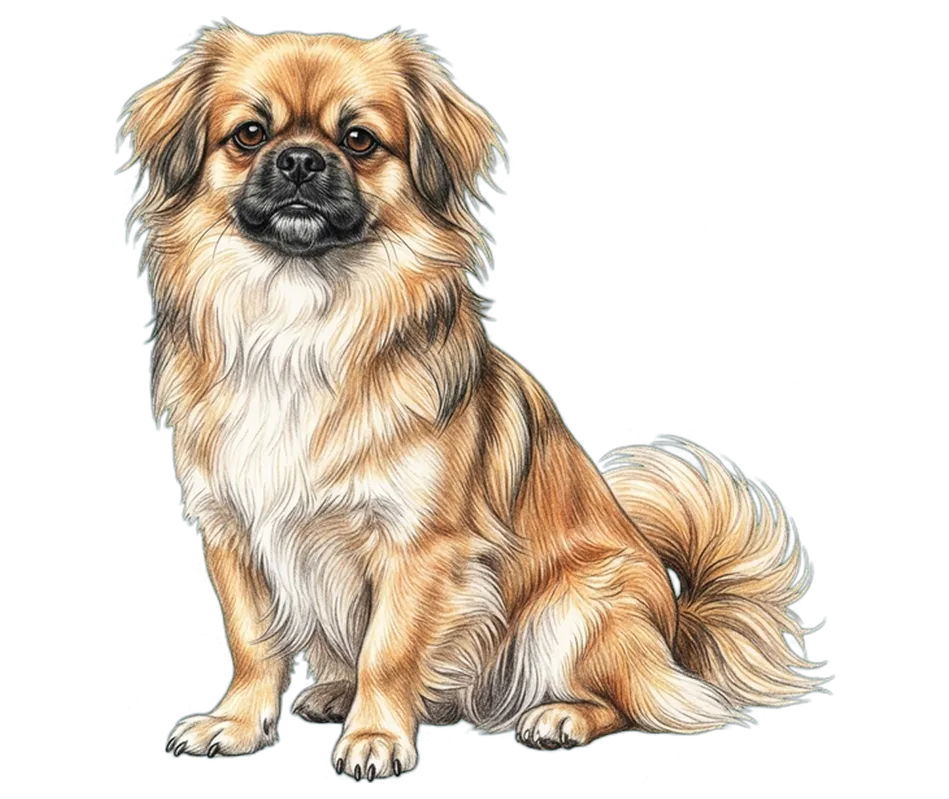
The Tibetan Spaniel is a small, alert companion bred for centuries in Himalayan monasteries, where it perched on walls and gates as a keen-eyed little sentinel for the resident monks. That heritage produced a confident, independent-minded dog that bonds closely with its family, stays watchful of newcomers, and is happiest woven into daily household life rather than left alone for long stretches. Living well with one means embracing a small dog with a big, self-possessed personality — a silky double coat that benefits from regular brushing, a clever mind that wants gentle engagement and patient, consistent training, and the lifelong eye, joint, and liver-health care that responsible breeding and routine veterinary attention help protect. Early socialization and calm, reward-based guidance bring out the cheerful, devoted companion this ancient breed is meant to be.
Daily-care planners
House-training
Moderate to house-trainTibetan Spaniels were traditionally kept in and around monastery buildings and tend to be a naturally tidy, fastidious breed, which makes house-training more straightforward than with many small dogs. That said, a small bladder still means frequent trips outside matter: consistent timing after meals, naps, and play, paired with calm praise for successes and close supervision indoors during the early weeks, builds the habit efficiently. A predictable daily schedule is what turns natural cleanliness into a reliable routine.
Walks
Moderate exercise needsWalking a Tibetan Spaniel is less about covering distance and more about building calm, confident habits in a small, independent-minded dog. Short, regular walks suit their moderate energy well, and a well-fitted harness supports comfortable leash manners while a puppy is still learning. Because the breed can be reserved with unfamiliar people and dogs, controlled introductions on the trail — rather than forced greetings — help keep walks a positive, low-stress experience. Their double coat handles cool weather comfortably, so watch instead for warm, humid days and offer water and shade as needed, keeping outings pleasant year-round.
Plan walksTemperament
The Tibetan Spaniel's history lies in the monasteries of Tibet, where these small, agile dogs were prized for keen eyesight and a habit of perching on walls and gateways to watch for approaching visitors, alerting the monks inside with a bark rather than confronting anyone directly. That heritage shaped a dog that is a natural little sentinel first and a lapdog second — watchful, observant, and content to survey its surroundings from a favorite elevated perch.
At home, Tibetan Spaniels are deeply devoted to their families and enjoy being included in daily routines, but they carry a genuinely independent, self-possessed streak often described as cat-like: they think for themselves rather than reflexively seeking approval, and can be reserved or aloof with strangers until properly introduced. Patient, reward-based training and early, positive socialization help this independence express itself as calm confidence rather than wariness or excessive barking, and consistency matters more than repetition with a dog this clever.
Tibetan Spaniels are generally sociable with other dogs once introductions are handled thoughtfully, though their small size means play with boisterous larger dogs, or with very young children, benefits from supervision so no one gets overwhelmed. Their prey drive is modest, but like most small companion breeds they should be watched around unfamiliar small animals.
Moderate daily exercise and a bit of mental engagement — short walks, gentle games, simple training sessions — keep this breed content; the silky double coat sheds seasonally and does best with a regular brushing routine, and their Himalayan origins give them good tolerance for cold weather alongside more typical warm-weather care.
What life with a Tibetan Spaniel asks of you
Grooming & coat
- Grooming effort
- Moderate grooming
- Shedding
- Seasonal shedding
- Coat
- Medium coat
Exercise & enrichment
- Daily exercise
- Moderate exercise needs
- Mental stimulation
- Moderate mental stimulation
- Trainability
- Independent thinker
Temperament & sociability
- With people
- Reserved with strangers
- With dogs
- Tolerant of other dogs
- With kids
- Good with considerate children (supervise)
- Barking / noise
- Moderately vocal
- Chase instinct
- Low prey drive
- Time alone
- Moderate separation-anxiety risk
Home & climate fit
- Hot weather
- Moderate heat tolerance
- Cold weather
- High cold tolerance
- House-training
- Moderate to house-train