Staffordshire Bull Terrier
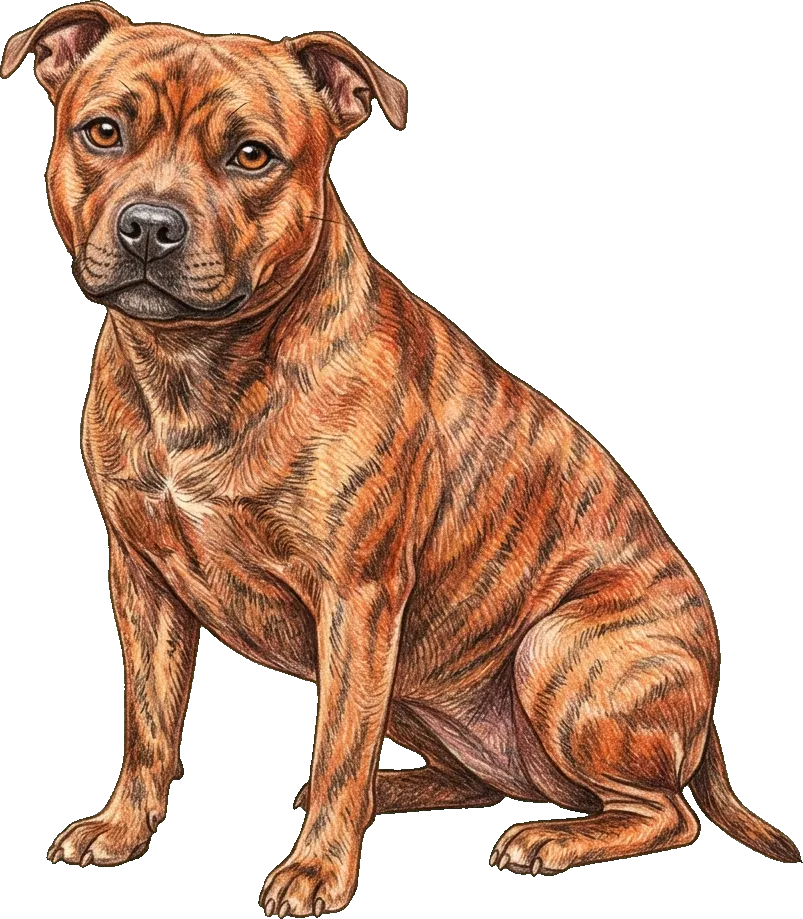
The Staffordshire Bull Terrier is a muscular, deeply affectionate medium-sized dog that often becomes a big softie with its family. Living well with a Staffy comes down to providing plenty of vigorous daily exercise and, most importantly, constant human companionship, as they do not cope well with long hours alone. Because they are so strong and enthusiastic, early positive training makes daily life much smoother.
Daily-care planners
House-training
Moderate to house-trainEager to please but easily distracted by play. They need clear boundaries and consistent rewards for going outside.
Walks
High exercise needsStrong pullers if not trained early. They love physical activity but their muscular build makes them prone to overheating on hot days. They thrive on interactive play mixed with walks.
Plan walksTemperament
Staffies are robust, deeply enthusiastic, and exceptionally focused on their people, thriving on brisk, energetic outings.
While they can adapt to apartment living if their high exercise needs are met, their strong dislike of being left alone means they need a dedicated daily routine. They love interactive play mixed with walks, but their muscular build makes them sensitive to overheating on hot days, and early leash training is essential for these eager pullers.
Their famously affectionate nature means they often live happily in families, but their boisterous strength can be a handful for first-time owners without guidance. Early socialisation and positive reward-based training are important, and interactions with young children should always have adult supervision to help guide gentle play.
When it comes to other animals, they have a moderate prey drive and are often selective about unfamiliar dogs. Careful, calm introductions and ongoing supervision are the best ways to manage their interactions and keep social encounters positive.
Originating from the Black Country and Staffordshire in the English Midlands, the breed descends from 19th-century bull-and-terrier stock before being recognised by the Kennel Club in the 20th century. Today, they are a popular and beloved family companion in the UK, though prospective owners globally should always check local housing policies, insurance, and breed regulations.
What life with a Staffordshire Bull Terrier asks of you
Grooming & coat
- Grooming effort
- Low grooming
- Shedding
- Minimal shedding
- Coat
- Short coat
Exercise & enrichment
- Daily exercise
- High exercise needs
- Mental stimulation
- Moderate mental stimulation
- Trainability
- Eager to please
Temperament & sociability
- With people
- Enthusiastically friendly
- With dogs
- Selective with other dogs
- With kids
- Good with considerate children (supervise)
- Barking / noise
- Quiet
- Chase instinct
- Moderate prey drive
- Time alone
- High separation-anxiety risk
Home & climate fit
- Hot weather
- Moderate heat tolerance
- Cold weather
- Low cold tolerance
- House-training
- Moderate to house-train