Shetland Sheepdog
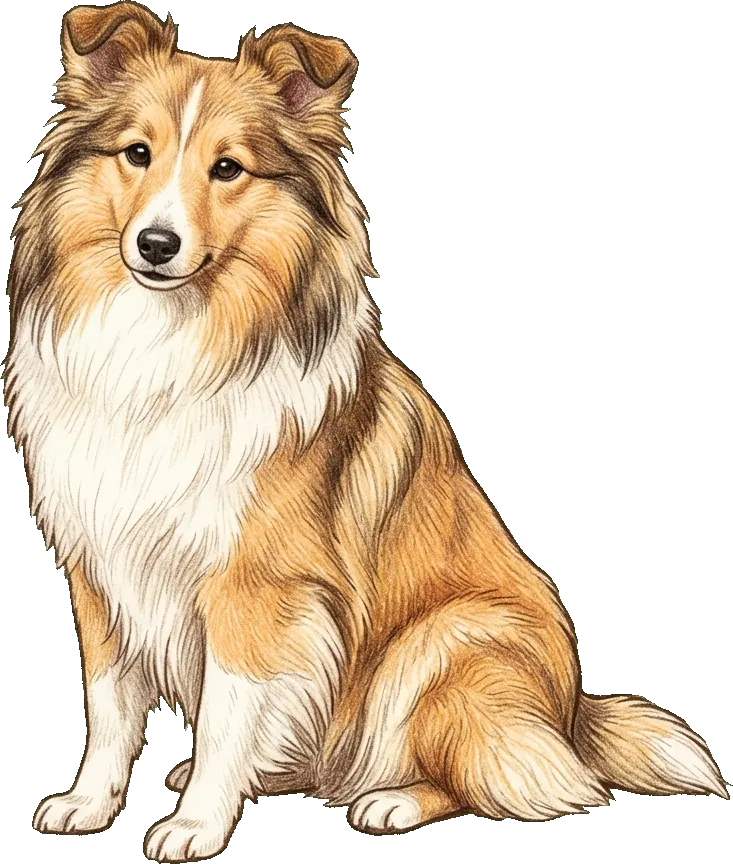
The Shetland Sheepdog is a bright, energetic companion that bonds deeply with its family and is always quick to alert you to anything new. Living well with a Sheltie means embracing their need for daily physical exercise, engaging mental tasks, and a committed brushing routine to maintain their thick double coat. This guide covers what to expect from their vocal nature, training sensitivities, and how to channel their herding instincts at home.
Daily-care planners
House-training
Easy to house-trainShelties are sensitive and eager to please — housetraining typically goes smoothly with gentle, consistent guidance. Avoid harsh corrections, which can set them back more than most breeds.
Walks
High exercise needsAgile and enthusiastic walkers that enjoy varied routes and terrain. They may try to herd other animals, people, or bikes — training and calm redirection help manage this on walks. Shelties handle cooler weather well and can cover good distances for a small breed. They're sensitive dogs that benefit from positive, unhurried walking sessions.
Plan walksTemperament
The Sheltie is an eager-to-please, sensitive, and highly intelligent dog that learns quickly but also barks readily at unfamiliar sights or sounds. They thrive on a predictable routine and form intense, affectionate bonds with their primary caregivers while remaining naturally reserved around strangers.
While their small size means they can adapt to various living spaces, their high energy and alert barking make them better suited to homes with yards rather than shared-wall apartments. They need significant daily exercise and mental stimulation, like trick training or agility, to prevent boredom and excessive vocalization.
They are generally gentle and loving with children, though interactions with toddlers should always be supervised since their herding instincts might prompt them to nip at running heels. Because they are highly trainable but sensitive to harsh tones, they can be a wonderful match for dedicated first-time owners who focus entirely on positive, reward-based training.
They are typically tolerant and peaceful with other dogs, often enjoying canine companionship in the home. Their moderate prey drive means they can usually live harmoniously with cats, especially if introduced properly, though they may still try to herd household pets when excited.
Originating from the harsh climate of Scotland's Shetland Islands, these compact working dogs were bred to herd on small crofts and handle cold, damp weather with ease. In places like the UK or North America, their dense double coat makes them eager hiking companions during brisk autumns and snowy winters, but care should be taken to keep them cool during hot summer months.
What life with a Shetland Sheepdog asks of you
Grooming & coat
- Grooming effort
- High grooming
- Shedding
- Heavy shedding
- Coat
- Long coat
Exercise & enrichment
- Daily exercise
- High exercise needs
- Mental stimulation
- High mental stimulation
- Trainability
- Eager to please
Temperament & sociability
- With people
- Reserved with strangers
- With dogs
- Tolerant of other dogs
- With kids
- Gentle with children (always supervise)
- Barking / noise
- Vocal
- Chase instinct
- Moderate prey drive
- Time alone
- Moderate separation-anxiety risk
Home & climate fit
- Hot weather
- Moderate heat tolerance
- Cold weather
- High cold tolerance
- House-training
- Easy to house-train