Rhodesian Ridgeback
The Rhodesian Ridgeback is an athletic and independent hound that matures slowly and needs a dedicated commitment to daily exercise. Living well with one means balancing their high energy levels with consistent, patient training throughout a famously long puppyhood. This guide covers daily life: house-training, managing their strong prey drive, and providing the right environment for a dog that loves the heat but dislikes the cold.
Daily-care planners
House-training
Moderate to house-trainThey are intelligent but can be stubborn. They mature slowly, so consistent routine is needed over a longer puppyhood period. They strongly dislike rain or cold.
Walks
High exercise needsAthletic and built for endurance. As adults, they make great running partners but can be aloof and strong-willed. They tend to tolerate warm weather better than most large breeds, but are less enthusiastic in cold or wet weather.
Plan walksTemperament
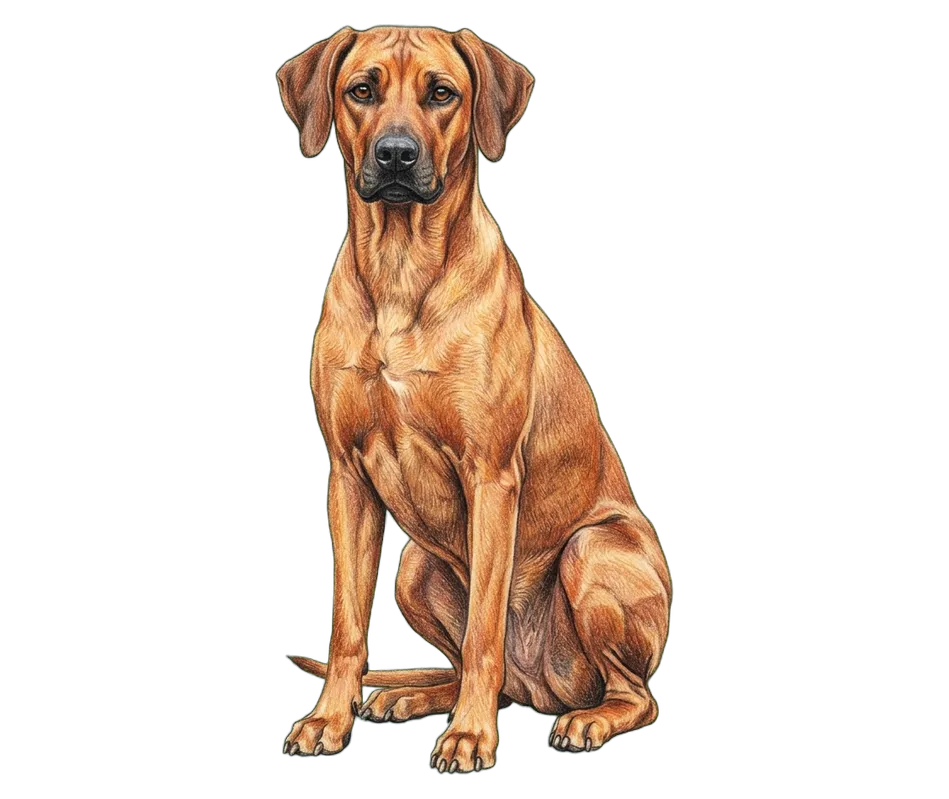
Ridgebacks are athletic, endurance-built hounds that are known for their quiet but independent nature. They mature slowly, requiring patient and consistent guidance to reach their full potential as calm adult companions.
Given their large size and high exercise needs, they thrive best in homes with access to a securely fenced yard rather than cramped spaces. They need significant daily running or hiking to settle happily indoors, alongside moderate mental stimulation to keep their intelligent minds occupied.
While they can be loyal family members, their large size and moderate tolerance for children mean interactions should always be supervised, and they often do better with older, considerate kids. Their independent streak and reserved nature with strangers make them better suited for experienced owners who understand positive, consistent routines rather than first-time dog parents.
Their strong hunting background translates to a high prey drive, meaning caution and careful introductions are necessary around cats or small animals. They can also be selective with other dogs, so early, well-managed socialization is important for peaceful coexistence.
Originally bred in Southern Africa to track large game like lions, their heritage makes them remarkably tolerant of warm, sunny climates. While they can adapt to urban flats if heavily exercised, they are fundamentally large hounds that do best with plenty of space, and owners in temperate or varied climates will quickly learn that these dogs strongly dislike rain and need a cozy coat for winter walks.
What life with a Rhodesian Ridgeback asks of you
Grooming & coat
- Grooming effort
- Low grooming
- Shedding
- Seasonal shedding
- Coat
- Short coat
Exercise & enrichment
- Daily exercise
- High exercise needs
- Mental stimulation
- Moderate mental stimulation
- Trainability
- Independent thinker
Temperament & sociability
- With people
- Reserved with strangers
- With dogs
- Selective with other dogs
- With kids
- Good with considerate children (supervise)
- Barking / noise
- Quiet
- Chase instinct
- High prey drive
- Time alone
- Moderate separation-anxiety risk
Home & climate fit
- Hot weather
- High heat tolerance
- Cold weather
- Low cold tolerance
- House-training
- Moderate to house-train