Pomeranian
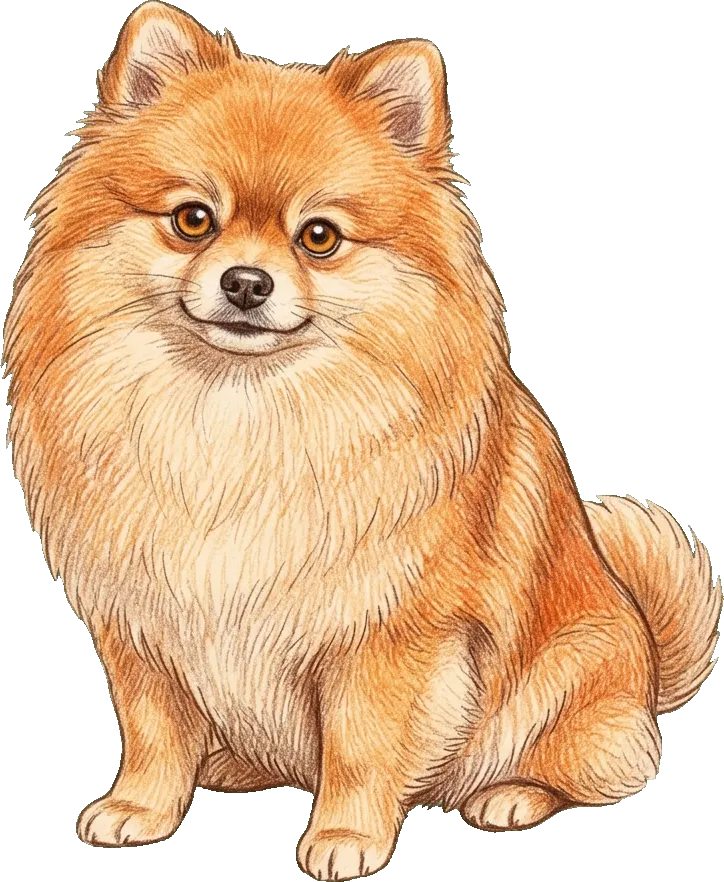
The Pomeranian is a tiny, bold, and fluffy spitz with a remarkably big personality that shines in everyday life. Living well with one mostly comes down to maintaining their demanding double coat and managing their fragile toy size by always using a harness and supervising interactions gently.
Daily-care planners
House-training
Challenging to house-trainTiny bladder and a sometimes-stubborn nature make Pomeranians one of the trickier toy breeds. Trips every 30–60 minutes for young puppies and indoor pad backup are commonly needed.
Walks
Moderate exercise needsTiny but energetic — Poms move quickly and have good spirit on walks. A properly fitted harness prevents tracheal stress, and cold weather gear is often necessary. Short, frequent sessions suit their size better than single long outings. Despite their small frame they're curious and bold walkers who benefit from regular outdoor enrichment.
Plan walksTemperament
The Pomeranian is a tiny, spirited dog with a surprisingly big personality, though its small bladder often means more frequent potty breaks, especially during early training.
They are energetic but small, making them adaptable to most living spaces if their exercise needs are met. Short, frequent walks are better than long hikes, and they should always wear a well-fitted harness rather than a collar to protect their delicate windpipes.
Because of their fragile toy size, they are easily injured by well-meaning but fast-moving or rough young children. They thrive best in calm environments with adults or older children who have been taught how to handle them gently and respectfully.
While enthusiastic with their people, they can be selective about other dogs and have a moderate prey drive. They are also confident, alert barkers who will quickly announce anything new in their environment.
Originating from the Baltic region of Pomerania where larger spitz ancestors were bred down to toy size, the breed gained immense popularity when Queen Victoria began showing them in the 19th century. Today, their adaptability makes them a popular choice for both city apartments and larger homes, provided their thick double coat is maintained and their alert barking is managed with positive training.
What life with a Pomeranian asks of you
Grooming & coat
- Grooming effort
- High grooming
- Shedding
- Heavy shedding
- Coat
- Long coat
Exercise & enrichment
- Daily exercise
- Moderate exercise needs
- Mental stimulation
- Moderate mental stimulation
- Trainability
- Balanced
Temperament & sociability
- With people
- Enthusiastically friendly
- With dogs
- Selective with other dogs
- With kids
- Better suited to older children (supervise)
- Barking / noise
- Vocal
- Chase instinct
- Moderate prey drive
- Time alone
- Moderate separation-anxiety risk
Home & climate fit
- Hot weather
- Low heat tolerance
- Cold weather
- Moderate cold tolerance
- House-training
- Challenging to house-train