Pekingese
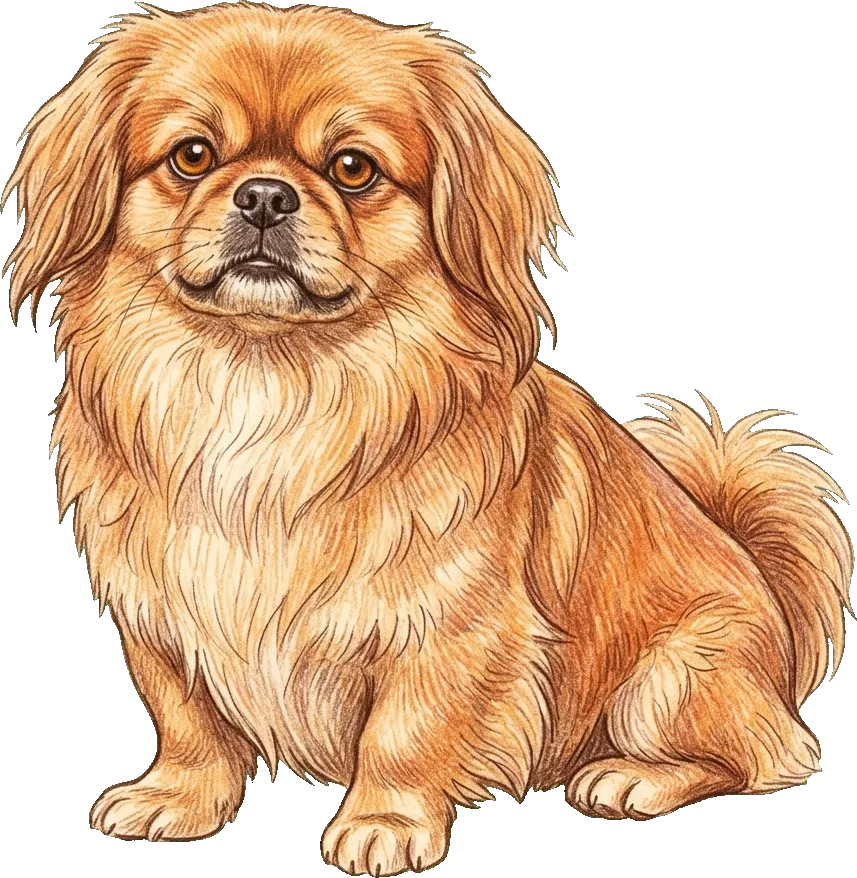
The Pekingese is a dignified, heavy-coated companion that expects a quiet, gentle daily routine. Living well with one means committing to serious grooming and ensuring their environment stays cool, as their flat face makes them highly sensitive to heat.
Daily-care planners
House-training
Challenging to house-trainPekingese are independent and can be stubborn, and a tiny bladder plus a dislike of bad weather make housetraining slow. Frequent short trips, a sheltered spot, and patient rewards work best; indoor pads are a common backup.
Walks
Low exercise needsA flat-faced toy breed with a dense coat — overheats quickly and is content with short, gentle strolls in cool conditions. Keep to the cool parts of the day, use a harness rather than a collar, and watch for heavy panting. They are not distance walkers.
Plan walksTemperament
The Pekingese is a dignified, flat-faced toy breed known for an independent, sometimes stubborn biddability and a deeply loyal but reserved nature. They expect a calm environment and appreciate gentle affection on their own terms.
With low exercise and mental stimulation needs, they are well-suited to apartment living. Short, leisurely strolls in a harness are enough to keep them content, though house-training can be a slow process requiring patient rewards and frequent short trips outside.
Because they value their dignity and personal space, they are generally not a good match for households with young children. They thrive best with adults, seniors, or families with older, considerate children who understand how to respect the dog's boundaries.
When it comes to other pets, their low prey drive means they typically coexist peacefully with cats. However, they can be selective about other dogs, often preferring the company of calm, respectful canine housemates rather than boisterous playmates.
In English-speaking markets, their small size makes them adaptable to both spacious houses and urban flats. Historically bred as an esteemed companion for the Chinese imperial court, this ancient lion dog still carries a regal demeanor today, requiring owners to manage varied climates carefully to prevent overheating during warmer months.
What life with a Pekingese asks of you
Grooming & coat
- Grooming effort
- High grooming
- Shedding
- Seasonal shedding
- Coat
- Long coat
Exercise & enrichment
- Daily exercise
- Low exercise needs
- Mental stimulation
- Low mental stimulation
- Trainability
- Independent thinker
Temperament & sociability
- With people
- Reserved with strangers
- With dogs
- Selective with other dogs
- With kids
- Better suited to older children (supervise)
- Barking / noise
- Moderately vocal
- Chase instinct
- Low prey drive
- Time alone
- Moderate separation-anxiety risk
Home & climate fit
- Hot weather
- Low heat tolerance
- House-training
- Challenging to house-train