Parson Russell Terrier
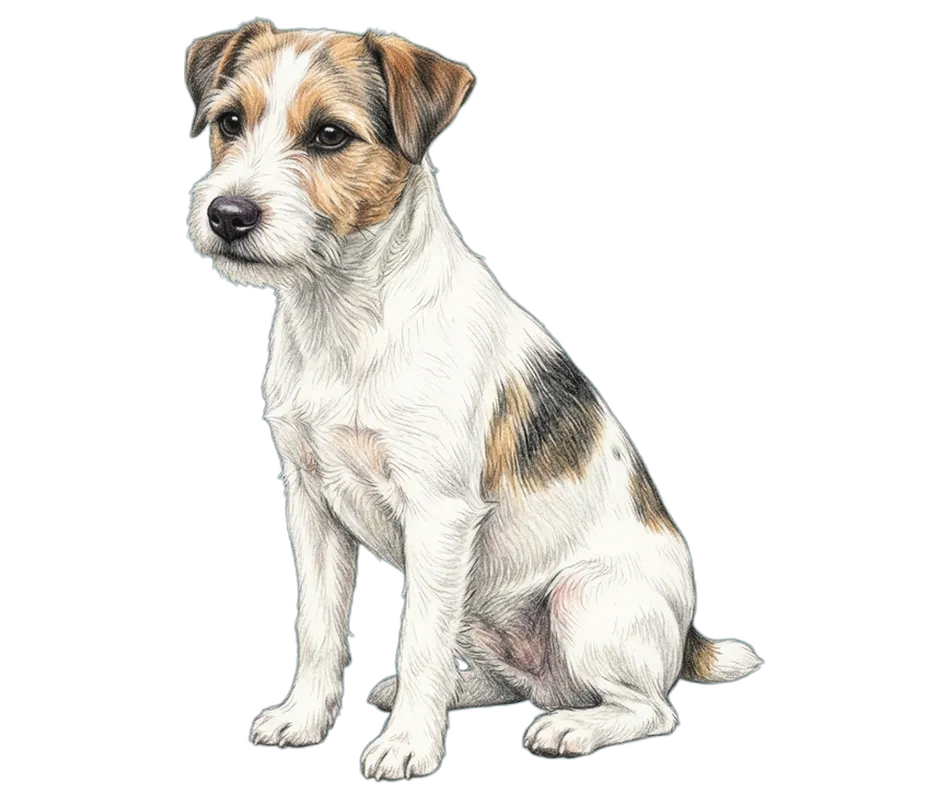
The Parson Russell Terrier is a small, square-built working terrier developed in nineteenth-century England to go to ground after foxes — a heritage that shaped a dog of remarkable stamina, sharp intelligence, and fearless independence packed into a compact frame. Living well with one means matching that heritage step for step: substantial daily exercise, real mental challenges, secure fencing given a strong prey drive, and patient, consistent training that works with a clever, independent thinker rather than against it. Given that outlet, a Parson Russell Terrier is an endlessly game, affectionate companion.
Daily-care planners
House-training
Moderate to house-trainParson Russell Terriers are quick, food-motivated learners, and most take to house-training readily once given a consistent routine. Their independent streak means they can occasionally test the rules, so calm, predictable trips outside after meals, naps, and play — paired with generous praise for every success — work far better than any correction. A secure yard or leash helps too, since their nose and prey drive can pull attention toward every scent along the way.
Walks
Very high exercise needsA short stroll around the block rarely satisfies a Parson Russell Terrier; this breed was built to run, dig, and chase for hours, and needs a genuinely vigorous daily outlet — brisk walks, jogging, or structured play — plus mentally engaging games like scent work to keep a busy mind content. Their powerful prey drive means a secure, fenced yard and a leash or long line in open spaces are essential, since reliable recall can vanish the moment a squirrel appears. Early, positive leash training pays off, because a confident, athletic adult is far easier to guide when good walking manners were built in as a puppy.
Plan walksTemperament
The Parson Russell Terrier was developed by the Reverend John Russell in nineteenth-century England to work alongside mounted fox hunts, going to ground to bolt foxes from their dens without harming them. That job demanded stamina, boldness, and the ability to make quick decisions alone underground — traits that remain very much alive in the breed today.
At home this shows up as an affectionate, deeply engaged companion rather than a passive lapdog; Parson Russell Terriers bond closely with their people and want to be included in daily life. They are highly intelligent and independent thinkers, not reflexive followers, so patient, consistent, reward-based training works far better than repetition or correction, which tends to invite a battle of wills with a dog this clever.
Their working heritage also means a strong prey drive: small animals and even cats can be seen as something to chase, so introductions call for real management rather than wishful thinking. With other dogs they tend to be selective, and their heritage as vocal, alert workers means they are naturally quick to bark at anything interesting.
They need substantial daily exercise and mental stimulation to be settled, content housemates — a bored Parson Russell Terrier easily becomes a busy digger or escape artist. They can do well with considerate, older children who understand how to interact respectfully with a small, bold dog, but their intensity and quick reactions mean play with very young children should always be supervised.
What life with a Parson Russell Terrier asks of you
Grooming & coat
- Grooming effort
- Moderate grooming
- Shedding
- Seasonal shedding
- Coat
- Short coat
Exercise & enrichment
- Daily exercise
- Very high exercise needs
- Mental stimulation
- High mental stimulation
- Trainability
- Independent thinker
Temperament & sociability
- With people
- Enthusiastically friendly
- With dogs
- Selective with other dogs
- With kids
- Good with considerate children (supervise)
- Barking / noise
- Vocal
- Chase instinct
- High prey drive
- Time alone
- Moderate separation-anxiety risk
Home & climate fit
- Hot weather
- Moderate heat tolerance
- Cold weather
- Moderate cold tolerance
- House-training
- Moderate to house-train