Papillon
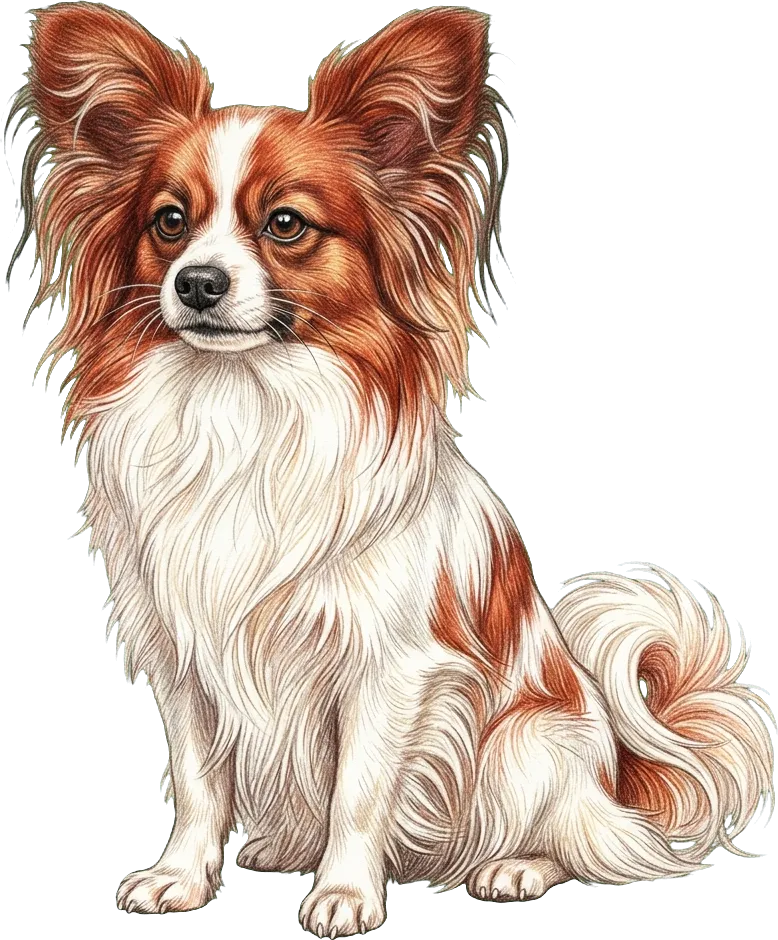
Living with a Papillon means sharing your home with a highly intelligent, athletic companion in a remarkably small package. These dogs require substantial daily mental enrichment and a commitment to protecting their delicate frames, especially during cold weather or interactions with larger pets. Their single, silky coat lacks an undercoat, making thoughtful temperature management and regular brushing essential components of their daily care.
Daily-care planners
House-training
Moderate to house-trainHouse-training a Papillon is greatly aided by their sharp intelligence and eagerness to learn, but their small physical stature brings inherent anatomical realities. Like many toy breeds, they have a small bladder that simply cannot hold much volume, requiring very frequent trips outside, especially during the early months of training. Establishing a strict, consistent routine and offering immediate, enthusiastic rewards for outdoor successes are the best ways to build a reliable schedule and guide them toward success.
Walks
Moderate exercise needsWalking a Papillon requires balancing their enthusiastic, athletic energy with an awareness of their environmental vulnerabilities. Their single, fine coat easily picks up twigs and outdoor debris, necessitating a quick brush-out after excursions to prevent matting. Because their prey drive may inspire a sudden dash after a small animal, a secure harness and lead are essential. During colder months, walks must be modified to shorter, brisk outings with appropriate winter apparel, as they lack the natural insulation needed for extended exposure to harsh weather.
Plan walksTemperament
Beneath the signature fringed ears that give the Papillon its butterfly namesake lies a remarkably athletic and brilliant canine mind. This breed consistently stands out in agility and obedience rings, driven by an eager-to-please nature that makes them highly trainable. To truly flourish, a Papillon requires extensive daily mental stimulation. Without interactive puzzle toys, ongoing training games, and dedicated owner engagement, their sharp intellect can quickly turn to boredom. Because they bond so closely with their people, it is important to build up alone-time gradually to help them feel secure and prevent separation-related distress when you are away.
Despite their toy classification, Papillons possess a moderate need for physical exercise that surpasses many breeds of their size. They are active companions who enjoy daily walks and structured playtime. While their friendly and affectionate disposition makes them wonderful additions to many households, their small, delicate build requires mindful management. They do very well with gentle, older children, but all interactions with toddlers should be carefully supervised to prevent accidental injury. When introducing them to other dogs, a calm, controlled approach helps ensure a positive experience for this tolerant yet physically vulnerable breed.
In the home, Papillons are naturally watchful and alert, often sounding off to announce the arrival of newcomers. Their moderate prey drive means they will eagerly chase birds and small animals, so they should always be kept on a lead or in a securely fenced yard during outdoor adventures. Because they possess a long, single coat with no undercoat, their tolerance for cold is quite low. Owners must be prepared to provide a well-fitted sweater or coat and limit the duration of outings during wet or freezing winter weather.
What life with a Papillon asks of you
Grooming & coat
- Grooming effort
- Moderate grooming
- Shedding
- Seasonal shedding
- Coat
- Long coat
Exercise & enrichment
- Daily exercise
- Moderate exercise needs
- Mental stimulation
- High mental stimulation
- Trainability
- Eager to please
Temperament & sociability
- With people
- Enthusiastically friendly
- With dogs
- Tolerant of other dogs
- With kids
- Good with considerate children (supervise)
- Barking / noise
- Moderately vocal
- Chase instinct
- Moderate prey drive
- Time alone
- Moderate separation-anxiety risk
Home & climate fit
- Hot weather
- Moderate heat tolerance
- Cold weather
- Low cold tolerance
- House-training
- Moderate to house-train