Miniature Schnauzer
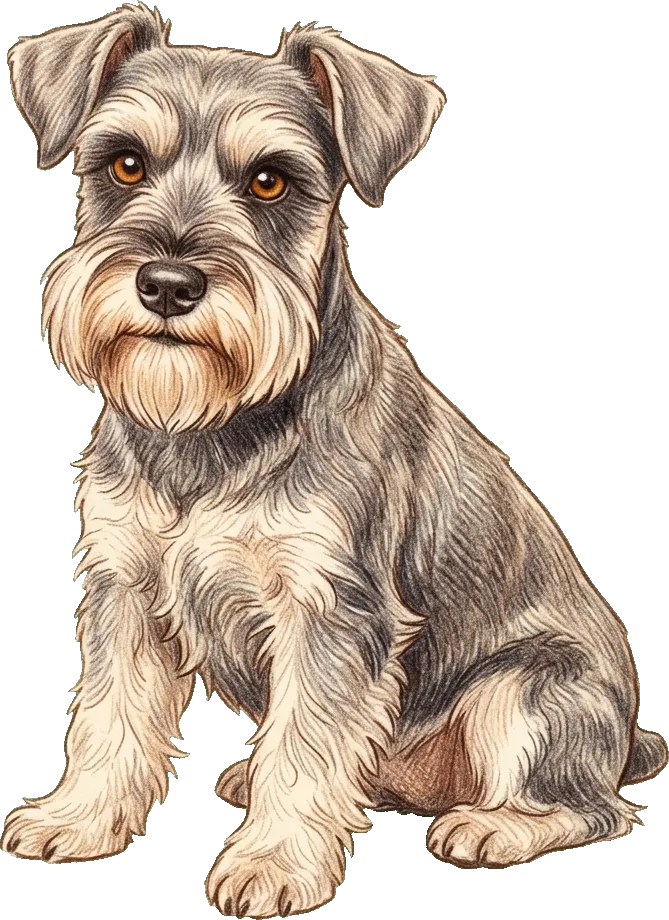
The Miniature Schnauzer is a spirited, alert companion that brings big-dog energy to a compact size, making it a popular choice for active homes. Living well with one is mostly about channeling their high energy and managing their vocal terrier instincts through consistent routines and steady training.
Daily-care planners
House-training
Moderate to house-trainTerrier independence can slow progress — Mini Schnauzers sometimes decide they know better. A very consistent schedule paired with calm, positive reinforcement works best.
Walks
High exercise needsEnergetic terriers that make excellent urban walkers. They tend to investigate everything at nose level and can be strong-willed about direction changes. A consistent pace and loose-leash training from puppyhood make them enjoyable companions. They handle cool weather well and maintain their enthusiasm across most conditions.
Plan walksTemperament
Miniature Schnauzers are alert, spirited terriers that thrive when given a brisk and predictable daily routine.
While their compact size makes them adaptable to both apartments and houses with yards, their high energy levels mean they are not couch potatoes. They need substantial daily walks and regular mental engagement to remain settled indoors, and care should be taken to exercise them during cooler hours when temperatures rise.
They are politely reserved with new people and can be a good fit for families, though their moderate tolerance for bustling households means interactions with young children should always be supervised. They respond well to steady, positive training but can develop moderate separation anxiety if left alone for long stretches.
Their background as ratters gives them a high prey drive, meaning they are often inclined to chase cats or small pets. Because they can be selective about their canine companions, thoughtful and gradual introductions are the best approach when meeting other dogs.
Originally bred to hunt vermin on farms, their robust nature translates well to modern urban walking. Because they are highly vocal and quick to sound the alarm, owners in close-quartered apartments will need to focus on rewarding quiet behavior early on so their watchdog instincts do not overwhelm the neighbors.
What life with a Miniature Schnauzer asks of you
Grooming & coat
- Grooming effort
- High grooming
- Shedding
- Minimal shedding
- Coat
- Medium coat
Exercise & enrichment
- Daily exercise
- High exercise needs
- Mental stimulation
- Moderate mental stimulation
- Trainability
- Balanced
Temperament & sociability
- With people
- Politely friendly
- With dogs
- Selective with other dogs
- With kids
- Good with considerate children (supervise)
- Barking / noise
- Vocal
- Chase instinct
- High prey drive
- Time alone
- Moderate separation-anxiety risk
Home & climate fit
- Hot weather
- Moderate heat tolerance
- House-training
- Moderate to house-train