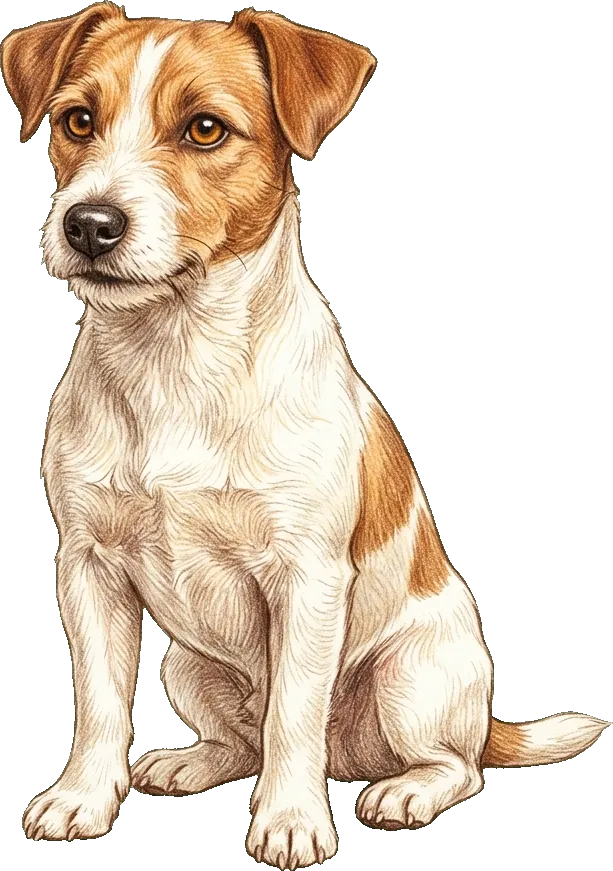
Jack Russell Terrier
The Jack Russell Terrier is a tenacious, big dog in a small body that thrives when given a serious job to do. Living well with one means going far beyond a simple walk around the block, offering them relentless physical activity and engaging their sharp minds. This guide covers the daily reality of their high energy, intense prey drive, and the structured lifestyle they need to shine.
This breed comes in several varieties — smooth, broken and rough coats. Grooming and some traits differ between them; the details below reflect the most common variety, so confirm your dog's specific type with your breeder or vet.
Daily-care planners
House-training
Moderate to house-trainThey learn quickly but can be easily distracted by sights and sounds outside. Keeping potty trips focused and boring until they go is key.
Walks
Very high exercise needsRelentless energy. A simple walk is rarely enough; they need to run, sniff, and engage their terrier instincts. Excellent companions for active hikers or runners despite their small size.
Plan walksTemperament
A Jack Russell is famously a big dog in a small body, requiring relentless activity and constant mental challenges to stay content. They are endlessly enthusiastic with their people, bringing a brilliant but demanding spark to daily life.
While their small size might suggest they are easy keepers, they need a tremendous amount of exercise and mental stimulation to be good housemates. A secure yard is helpful for burning off energy, but whether living in a house or an apartment, they require dedicated daily running, sniffing, and engaging activities to prevent boredom and excessive barking.
Because of their intensity and quick reactions, they are generally not the best fit for households with young children or first-time owners seeking a relaxed companion. They do best with experienced adults, active seniors, or families with older, considerate children who understand how to respect a dog's boundaries, and every interaction should be carefully supervised.
Their strong working instincts mean they have a very high prey drive, making them a poor match for homes with cats or small pets. When it comes to other dogs, they tend to be selective, so careful, well-managed introductions are essential for a peaceful household.
Originally developed in nineteenth-century England by the Reverend John Russell as a working fox-hunting terrier bred to go to ground, their tenacious working heritage remains incredibly strong today. For owners in broad English-speaking markets, whether living in suburban houses with yards or diverse urban flats, channeling this intense earth-dog instinct through organized sports or vigorous outdoor adventures is the key to a harmonious life.
What life with a Jack Russell Terrier asks of you
Grooming & coat
- Grooming effort
- Moderate grooming
- Shedding
- Seasonal shedding
- Coat
- Short coat
Exercise & enrichment
- Daily exercise
- Very high exercise needs
- Mental stimulation
- High mental stimulation
- Trainability
- Balanced
Temperament & sociability
- With people
- Enthusiastically friendly
- With dogs
- Selective with other dogs
- With kids
- Better suited to older children (supervise)
- Barking / noise
- Vocal
- Chase instinct
- High prey drive
- Time alone
- Moderate separation-anxiety risk
Home & climate fit
- Hot weather
- High heat tolerance
- House-training
- Moderate to house-train