Italian Greyhound
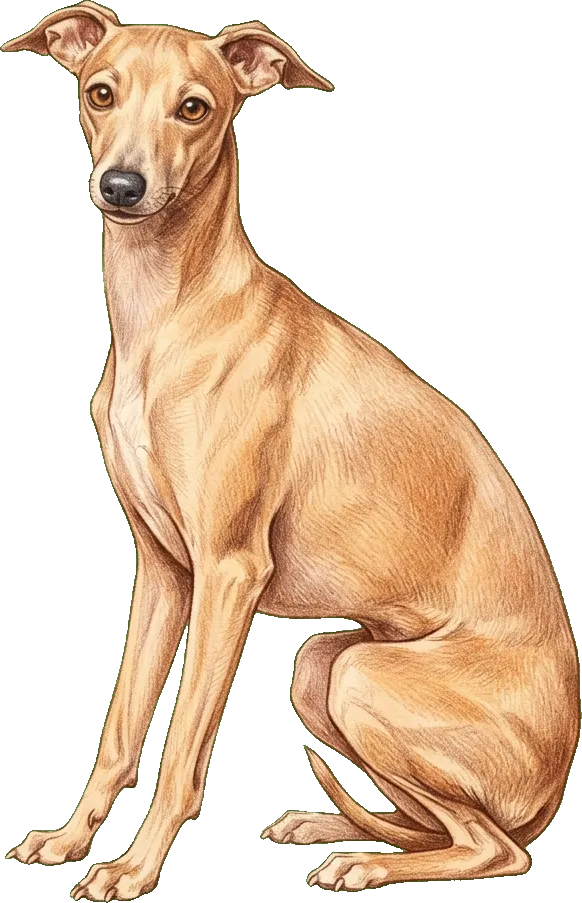
The Italian Greyhound is a true sighthound in miniature — elegant, fine-boned, and deeply affectionate, happiest when curled in a warm lap or racing in joyful loops around a secure yard. Living well with one means embracing a devoted 'velcro' companion who feels the cold keenly through a whisper-thin single coat, benefits from soft bedding and a winter layer, and needs gentle handling because those slender legs are genuinely delicate. In return you get a playful, sensitive, and quietly comic housemate who thrives on closeness.
Daily-care planners
House-training
Challenging to house-trainHouse-training an Italian Greyhound asks for patience, largely because these sensitive dogs strongly dislike heading out into cold, wet, or windy weather. A sheltered, clearly defined potty spot and warm, high-value rewards encourage them to brave the elements, and keeping trips brief and upbeat teaches them that stepping outside is worth the momentary chill.
Walks
Moderate exercise needsWalking an Italian Greyhound is a delight when you plan around two things: their instinct to chase and their sensitivity to cold. Because they are hardwired to pursue small, fast-moving animals, they are safest on a leash unless they are inside a fully fenced area where they can open up and run. When the temperature drops, a well-fitted coat is not a fashion choice but a genuine comfort measure, keeping your slender companion warm and happy on every outing.
Plan walksTemperament
At home the Italian Greyhound is a gentle, closely bonded companion who wants to be near their people, often burrowing under blankets for warmth and comfort. They form deep attachments to their families, so they do best with patient, gradual practice at being left alone, which helps them stay relaxed and can reduce the risk of separation distress. They tend to be affectionate and polite with familiar people while sometimes reserved with strangers, and warm up beautifully when introductions are unhurried.
As a sensitive, thoughtful breed, the Italian Greyhound responds wonderfully to gentle, reward-based training and can lose confidence with harsh handling. They carry the sighthound's love of movement and a natural instinct to chase fast-moving things, so a securely fenced space and a patiently built recall keep those bursts of speed safe. With children they are sweet-natured, and calm, supervised play suits them best because their fine bones can be injured in rough games.
Their physical makeup — a deep, tucked chest, delicate legs, and a short single coat — means very low grooming needs but a real sensitivity to cold. An Italian Greyhound seeking the warmest corner of the house or shivering on a brisk morning is not being fussy; they genuinely rely on you for warmth. Soft places to nest and a fitted coat for chilly outings are simple, meaningful acts of care for this affectionate breed.
What life with a Italian Greyhound asks of you
Grooming & coat
- Grooming effort
- Low grooming
- Shedding
- Minimal shedding
- Coat
- Short coat
Exercise & enrichment
- Daily exercise
- Moderate exercise needs
- Mental stimulation
- Moderate mental stimulation
- Trainability
- Balanced
Temperament & sociability
- With people
- Politely friendly
- With dogs
- Sociable with other dogs
- With kids
- Good with considerate children (supervise)
- Barking / noise
- Moderately vocal
- Chase instinct
- Moderate prey drive
- Time alone
- Moderate separation-anxiety risk
Home & climate fit
- Hot weather
- Moderate heat tolerance
- Cold weather
- Low cold tolerance
- House-training
- Challenging to house-train