Havanese
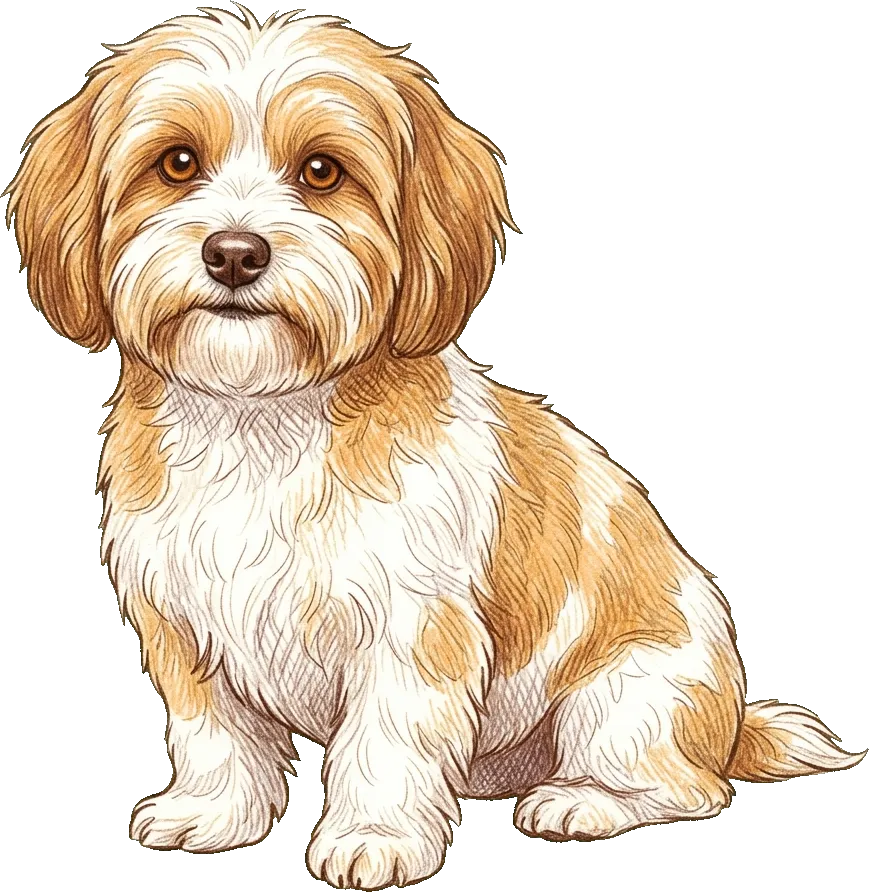
The Havanese is a sturdy, deeply affectionate companion dog that thrives in the center of family life—and living well with one is mostly about managing their intense need for company and their demanding grooming routine. This guide covers daily life: the patience needed for house-training, their adaptable approach to walks, and the temperament you can expect.
Daily-care planners
House-training
Challenging to house-trainLike many toy breeds, their small bladder means frequent trips. They are velcro dogs and may refuse to go outside if it's raining or if you don't go out with them.
Walks
Moderate exercise needsAdaptable and happy to stroll through the neighborhood. They enjoy daily walks but don't require intense exercise. Their long coat can collect debris and snow.
Plan walksTemperament
This is a sturdy, joyful toy breed that bonds intensely with its people and simply wants to be wherever you are.
They are highly adaptable to apartment living as long as their moderate needs for daily walks and mental stimulation are met. Because they are moderately tolerant of heat, indoor play and training are good ways to keep them engaged on warmer days.
They are eager to please and generally wonderful with children, making them a great fit for attentive first-time owners and families alike. However, they are classic velcro dogs with a high risk of separation anxiety, so they thrive best in households where someone is usually home to guide them and keep them company.
With a low prey drive and a naturally social disposition toward other dogs, they generally integrate very well into multi-pet households when introduced patiently.
Originally developed in Cuba as a companion dog, they possess a long, silky coat that requires dedicated daily brushing. In modern homes, this heavy coat can act as a magnet for outdoor debris, so owners should be prepared for regular grooming sessions after neighborhood strolls.
What life with a Havanese asks of you
Grooming & coat
- Grooming effort
- High grooming
- Shedding
- Minimal shedding
- Coat
- Long coat
Exercise & enrichment
- Daily exercise
- Moderate exercise needs
- Mental stimulation
- Moderate mental stimulation
- Trainability
- Eager to please
Temperament & sociability
- With people
- Enthusiastically friendly
- With dogs
- Sociable with other dogs
- With kids
- Gentle with children (always supervise)
- Barking / noise
- Moderately vocal
- Chase instinct
- Low prey drive
- Time alone
- High separation-anxiety risk
Home & climate fit
- Hot weather
- Moderate heat tolerance
- Cold weather
- Low cold tolerance
- House-training
- Challenging to house-train