Drever
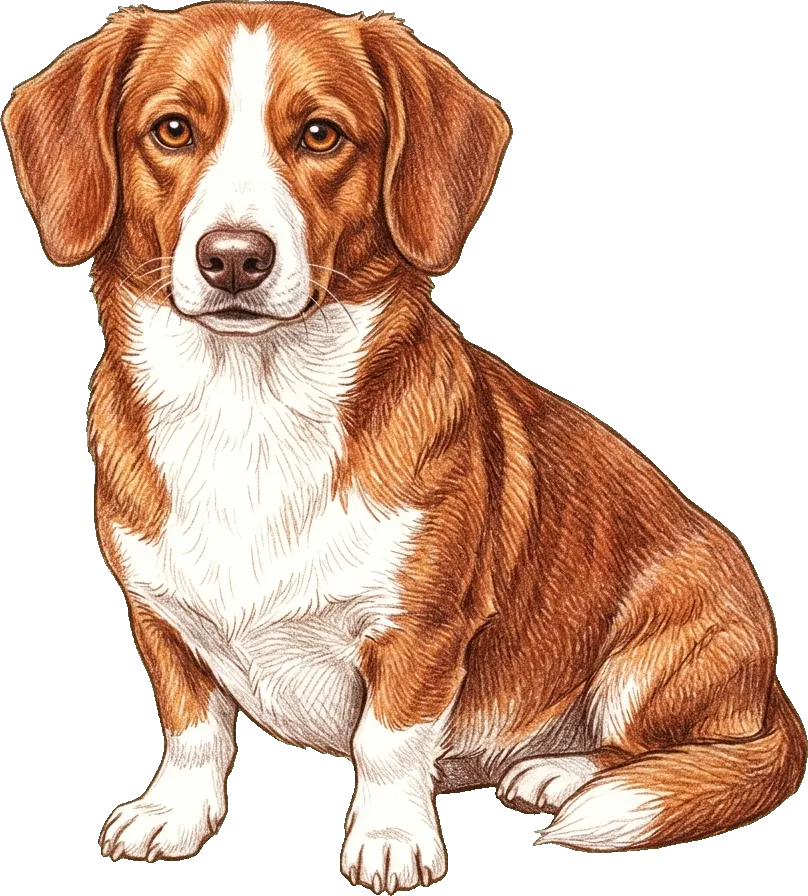
The Drever is a small, enthusiastic, and nose-led hound with the incredible stamina of a much larger dog. Living happily with this tenacious tracker means committing to significant daily outdoor exercise and managing a strong hunting instinct that makes off-leash walks risky. This guide covers the essentials of daily life, from consistent house-training around scent distractions—where you must reward immediately after they eliminate—to the friendly but independent temperament you can expect.
Daily-care planners
House-training
Challenging to house-trainScent hounds are notoriously easily distracted by their nose. Consistency is key, and rewarding immediately after they eliminate prevents them from wandering off to track scents.
Walks
High exercise needsThey may have short legs, but they have the stamina of a large hound. Once they catch a scent, they will pull relentlessly. Off-leash is risky outside fenced areas.
Plan walksTemperament
Enthusiastic and friendly with people, this independent scent hound is driven almost entirely by its nose. While affectionate, their instinct to track and bay loudly on a trail is fundamental to their character.
Given their high exercise needs and vocal nature, a house with a securely fenced yard is a better fit than an apartment. Despite short legs, they have a large hound's stamina and need substantial daily walks to settle indoors.
Their friendly disposition makes them a wonderful match for active families, showing a moderate, easy-going nature around children. However, their stubborn tracking instincts mean they thrive with experienced owners who can provide consistent training.
Highly social, they typically enjoy the company of other dogs. Conversely, a strong prey drive means they will likely chase cats, requiring careful introductions and lifelong management in multi-pet homes.
Developed in Sweden in the early twentieth century from the Westphalian Dachsbracke to track deer and hare, its name comes from the Swedish word for hunting by tracking. For North American or UK owners with access to fenced rural spaces, their high heat tolerance makes them excellent all-weather companions.
What life with a Drever asks of you
Grooming & coat
- Grooming effort
- Low grooming
- Shedding
- Seasonal shedding
- Coat
- Short coat
Exercise & enrichment
- Daily exercise
- High exercise needs
- Mental stimulation
- Moderate mental stimulation
- Trainability
- Independent thinker
Temperament & sociability
- With people
- Enthusiastically friendly
- With dogs
- Sociable with other dogs
- With kids
- Good with considerate children (supervise)
- Barking / noise
- Vocal
- Chase instinct
- High prey drive
- Time alone
- Moderate separation-anxiety risk
Home & climate fit
- Hot weather
- High heat tolerance
- Cold weather
- Moderate cold tolerance
- House-training
- Challenging to house-train