Chow Chow
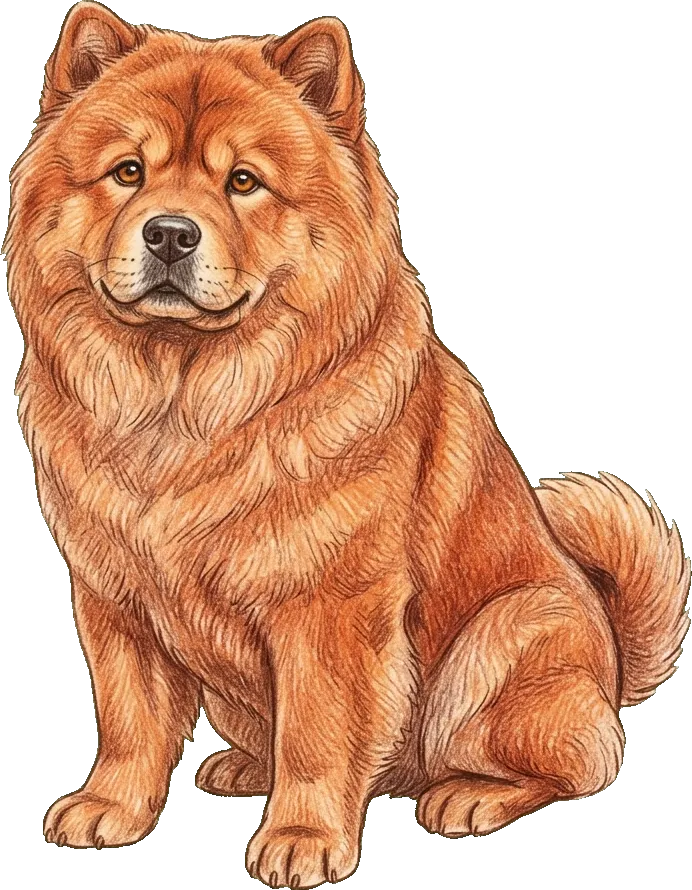
The Chow Chow is a dignified, naturally clean companion that often feels more like living with a large, independent cat than a typical dog. Sharing your home with one is mostly about respecting their reserved nature and managing their heavy, heat-sensitive double coat. This guide covers their surprisingly easy house-training, preferred short walks, the aloof temperament to expect, and the health checks worth knowing.
Daily-care planners
House-training
Easy to house-trainChows are almost cat-like in their cleanliness. They are among the easiest breeds to housetrain, often naturally refusing to soil their indoor space from a very young age.
Walks
Low exercise needsLow energy and prone to overheating due to their heavy coat and slightly shortened muzzle. They enjoy short, leisurely walks in cool weather and don't require intense physical exercise.
Plan walksTemperament
Chows are notoriously independent and aloof, carrying themselves with a quiet dignity rather than seeking constant attention. They are naturally clean dogs that prefer to observe their surroundings in peace rather than actively demanding interaction.
Because of their low physical exercise and mental stimulation needs, they can do very well in apartments or smaller homes as long as the space is kept cool. They have a low tolerance for heat due to their thick double coat, so indoor climate control is essential, and outdoor activity should be strictly limited to short, leisurely walks during the cooler parts of the day.
Their independent, reserved biddability means they are not the best match for lively households with young children who might expect a playful, cuddly pet. They thrive best in calm homes with adults or older children who understand how to respect a dog's personal space, and their low risk for separation anxiety makes them quite content to spend reasonable amounts of time alone.
With a moderate prey drive and selective sociability toward other dogs, they prefer quiet over roughhousing. Careful, slow introductions are important for any housemates, and they generally do best as the only pet or alongside calm animals that respect their boundaries.
Originally bred in China as working dogs with roles ranging from guarding to pulling carts, today's Chow Chow is a devoted but low-energy companion. Across North America and the UK, their quiet nature and easy house-training make them appealing for working professionals in apartments, provided owners can commit to high-maintenance grooming and ensure a cool, air-conditioned environment during warmer months.
What life with a Chow Chow asks of you
Grooming & coat
- Grooming effort
- High grooming
- Shedding
- Heavy shedding
- Coat
- Medium coat
Exercise & enrichment
- Daily exercise
- Low exercise needs
- Mental stimulation
- Low mental stimulation
- Trainability
- Independent thinker
Temperament & sociability
- With people
- Reserved with strangers
- With dogs
- Selective with other dogs
- With kids
- Better suited to older children (supervise)
- Barking / noise
- Quiet
- Chase instinct
- Moderate prey drive
- Time alone
- Low separation-anxiety risk
Home & climate fit
- Hot weather
- Low heat tolerance
- Cold weather
- High cold tolerance
- House-training
- Easy to house-train