Chinese Shar-Pei
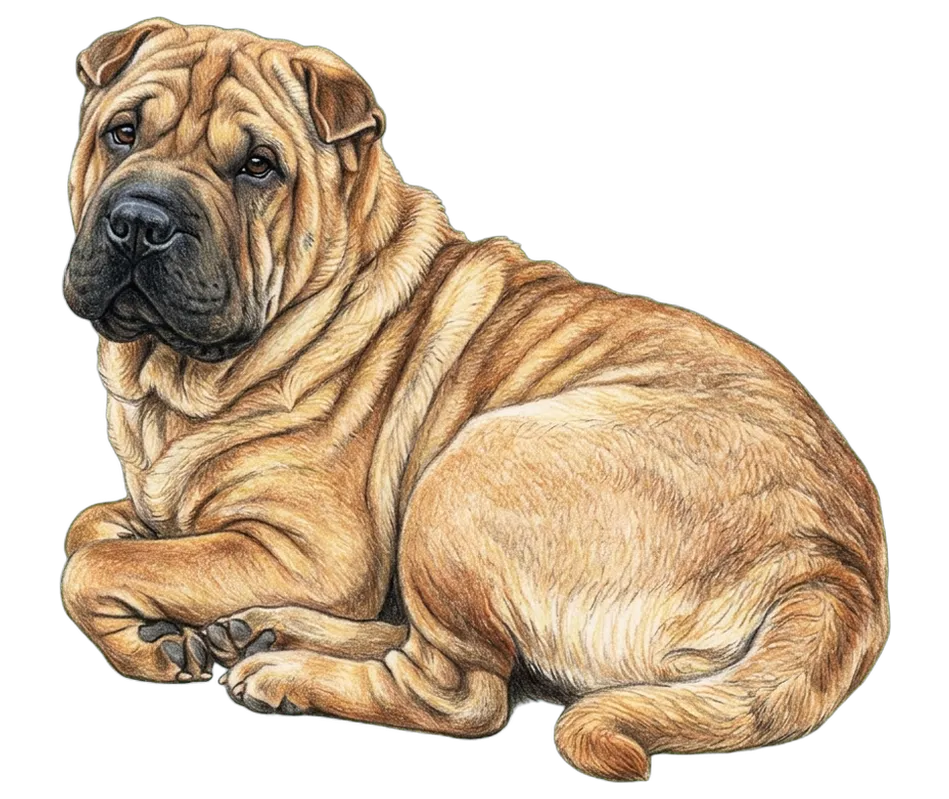
The Chinese Shar-Pei is an ancient breed from southern China, instantly recognizable for its deep wrinkles, blue-black tongue, and dignified, almost scowling expression — traits that mask a devoted, dryly humorous companion once trust is earned. Living well with one means embracing an independent thinker who bonds tightly with family but stays reserved with strangers, alongside a low-shedding coat whose folds need regular, gentle cleaning to stay comfortable. Patient socialization from puppyhood and a calm, consistent routine bring out the loyal, composed dog this breed is meant to be.
Daily-care planners
House-training
Easy to house-trainHouse-training a Shar-Pei is often easier than with many breeds, thanks to a naturally fastidious, clean disposition that dislikes soiling its own space. A predictable schedule of frequent trips outside after meals, naps, and play, paired with calm, consistent praise, tends to click quickly. As with any independent thinker, patience during the learning phase matters more than repetition, and a stable routine is what carries the habit through.
Walks
Moderate exercise needsShar-Pei do well with a moderate, steady walking routine rather than intense exertion — enough daily movement to stay fit and mentally settled, without the demands of a high-drive working breed. Their short coat offers little insulation, so brief additional protection in cold weather is worth considering, and warm, humid conditions call for a slower pace and a shaded route since their compact build and skin can make heat management harder than for a lean, longer-muzzled dog. After a warm or wet walk, drying the skin folds thoroughly helps prevent irritation. Given their independent streak, calm, consistent leash manners are best introduced early, since a Shar-Pei that has learned to walk politely as a puppy is far easier to guide as a solid, strong-bodied adult.
Plan walksTemperament
The Shar-Pei's history as an all-purpose farm, guard, and hunting dog in southern China shaped a breed that is self-possessed and practical rather than eager to please. At home this shows up as a quiet, devoted companion that forms a close bond with its family, often expressing affection through calm closeness rather than exuberant displays. Many owners describe a dry, almost cat-like independence: a Shar-Pei enjoys company on its own terms and can be perfectly content settling nearby rather than constantly seeking attention.
That same independence means training rewards patience and consistency over repetition-heavy drilling; Shar-Pei are intelligent and learn quickly but can lose interest in anything that feels pointless, so short, motivating sessions with clear structure work best. Their guarding heritage makes them naturally reserved and watchful with unfamiliar people, so early, positive exposure to new faces, places, and experiences is essential to raise a dog that is confident rather than suspicious or defensive as an adult.
With other dogs, Shar-Pei tend to be selective, and thoughtful introductions matter, particularly as they mature. Their moderate exercise needs suit a settled household well, and their short, low-shedding coat is easy to manage day to day, though the characteristic folds need regular checking and gentle cleaning to stay healthy and comfortable, especially after warm or humid weather. Well-socialized Shar-Pei can be affectionate, patient family dogs, but their sturdy, sometimes stoic nature and the importance of gentle handling around their skin mean interactions with young children are best supervised.
What life with a Chinese Shar-Pei asks of you
Grooming & coat
- Grooming effort
- Moderate grooming
- Shedding
- Minimal shedding
- Coat
- Short coat
Exercise & enrichment
- Daily exercise
- Moderate exercise needs
- Mental stimulation
- Moderate mental stimulation
- Trainability
- Independent thinker
Temperament & sociability
- With people
- Reserved with strangers
- With dogs
- Selective with other dogs
- With kids
- Good with considerate children (supervise)
- Barking / noise
- Quiet
- Chase instinct
- Moderate prey drive
- Time alone
- Low separation-anxiety risk
Home & climate fit
- Hot weather
- Moderate heat tolerance
- Cold weather
- Low cold tolerance
- House-training
- Easy to house-train