Chihuahua
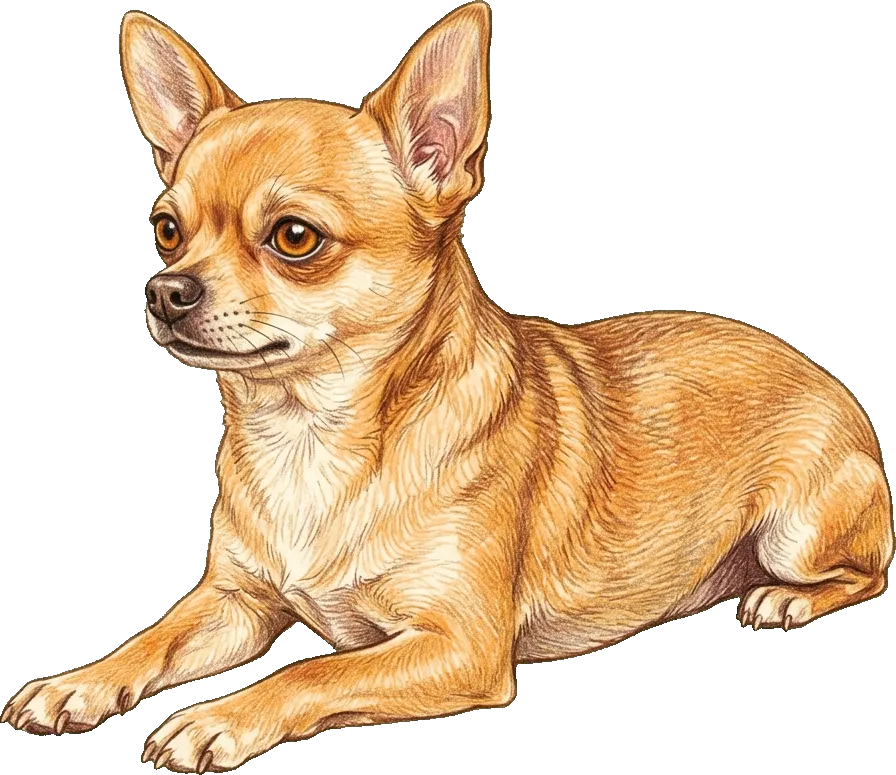
The Chihuahua is a tiny, loyal companion known for forming a deep bond with their favorite person and being quite talkative when alerting you to the world outside. Living safely with one means recognizing their fragile 1 to 3 kilogram size and protecting their delicate windpipes by always walking them on a well-fitted harness rather than a neck collar.
This breed comes in several varieties — smooth and long coats. Grooming and some traits differ between them; the details below reflect the most common variety, so confirm your dog's specific type with your breeder or vet.
Daily-care planners
House-training
Challenging to house-trainThe smallest bladder in the game. Chihuahuas also dislike cold or wet weather intensely, making outdoor trips a battle in winter. Indoor pad backup is very commonly used for this breed.
Walks
Moderate exercise needsThe smallest breed carries full attitude on walks. A properly fitted harness protects their delicate trachea. Cold weather means a coat is essential for most Chihuahuas. Short, frequent outings work better than one long session. Despite their size they can be bold and reactive toward larger dogs — awareness and calm handling on walks matters.
Plan walksTemperament
This is a confident and alert breed that is full of attitude, often bonding intensely with a single individual while remaining naturally reserved around strangers. They are highly observant and quick to vocalize, making them excellent watchdogs for their size.
Their tiny stature makes them highly adaptable to apartment living, provided their moderate exercise and mental stimulation needs are met. Short, frequent walks and engaging play sessions throughout the day work much better to satisfy their energy than one long, exhausting outing.
Because they are physically fragile, they do best in calm adult households or families with older, considerate children who understand how to handle a tiny dog gently. They make wonderful companions for seniors or first-time owners who can provide consistent, patient guidance without babying them.
While their prey drive is moderate, they can be quite selective when making friends with other dogs and often confidently stand up to much larger breeds. Careful supervision and calm handling are essential during introductions to ensure their boldness doesn't put them in unsafe situations with larger pets.
Named after the Mexican state of Chihuahua, this breed is one of the oldest companion dogs of the Americas, bred for a warm climate. Whether living in a bustling city apartment or a suburban home, they strongly dislike cold or wet weather and will generally require a well-fitted winter coat to stay comfortable during chilly walks.
What life with a Chihuahua asks of you
Grooming & coat
- Grooming effort
- Low grooming
- Shedding
- Seasonal shedding
- Coat
- Short coat
Exercise & enrichment
- Daily exercise
- Moderate exercise needs
- Mental stimulation
- Moderate mental stimulation
- Trainability
- Balanced
Temperament & sociability
- With people
- Reserved with strangers
- With dogs
- Selective with other dogs
- With kids
- Better suited to older children (supervise)
- Barking / noise
- Vocal
- Chase instinct
- Moderate prey drive
- Time alone
- Moderate separation-anxiety risk
Home & climate fit
- Hot weather
- High heat tolerance
- Cold weather
- Low cold tolerance
- House-training
- Challenging to house-train