Cairn Terrier
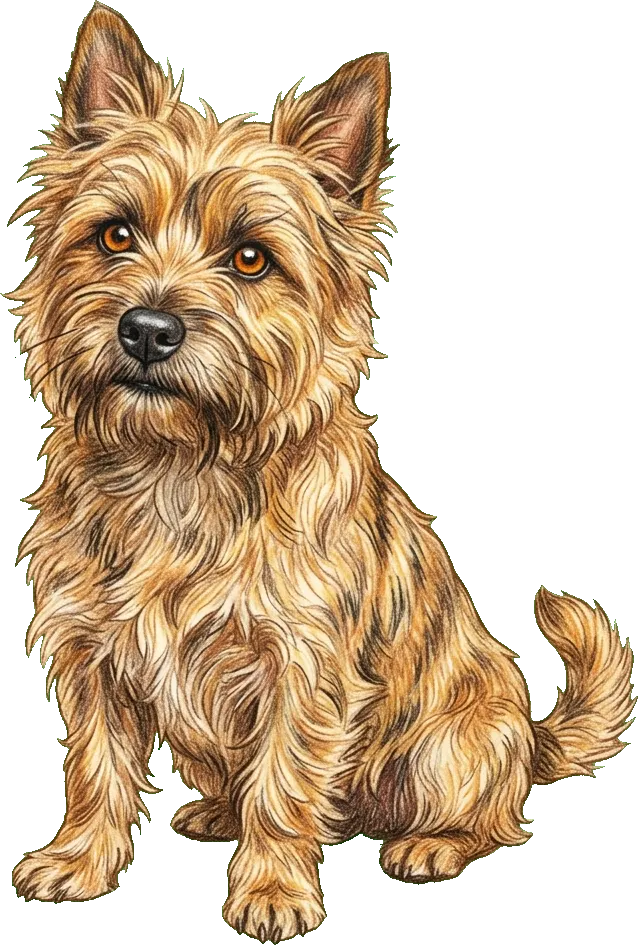
The Cairn Terrier is a small, rugged earthdog from the Scottish Highlands, bred to bolt foxes and vermin from rocky cairns — hardy, curious, and full of cheerful terrier confidence. Sharing life with one means welcoming a lively, inquisitive companion with a strong instinct to dig and chase, a weather-resistant harsh coat that stays fairly low-shedding, and a bold little character that thrives on activity, company, and gentle, engaging training.
Daily-care planners
House-training
Moderate to house-trainHouse-training a Cairn Terrier rewards patience and consistency, as a small dog's bladder and an independent terrier mind can make the early weeks feel slow. A predictable schedule, frequent trips outside after meals, naps, and play, and warm praise for every success help the habit take hold faster than any correction — and keep the process positive for a sensitive, clever little dog.
Walks
Moderate exercise needsWalking a Cairn Terrier is a lively pleasure, provided you plan around a strong prey drive and a natural urge to dig and explore. Because they are hardwired to chase small, fast-moving animals, a secure harness and lead are wise in open areas, with off-lead freedom saved for safely fenced spaces where they can trot, sniff, and investigate to their heart's content. They are hardy in cool and wet weather thanks to their protective coat, and daily walks paired with sniffing and play keep this busy little companion fit, engaged, and content.
Plan walksTemperament
The Cairn Terrier is a bold, curious, and cheerful little dog with far more substance than its size suggests. Bred to work independently underground, they are quick-thinking and self-assured, happy to investigate the world on their own terms — an independent streak to work with using patient, upbeat, reward-based training rather than against. They are intelligent and enjoy having a job, so short, varied sessions and puzzle games help keep that busy mind satisfied.
At home they are affectionate, playful, and typically friendly with their people, often greeting the world with genuine enthusiasm. They tend to be sturdy and good-natured with children, which suits active families, though play with very young children is best supervised for everyone's comfort. Around other dogs they can be selective, and their earthdog heritage gives them a strong prey drive, so small pets and fast-moving animals may trigger an instinct to chase.
That same working background means a Cairn likes to dig, explore, and stay busy; a securely fenced yard and daily activity give these instincts a healthy outlet. Their harsh, weather-resistant double coat is fairly low-shedding and is traditionally kept tidy by hand-stripping or regular brushing rather than heavy clipping, which helps the coat keep its protective texture. Alert by nature, they may bark to announce visitors, and calm, consistent guidance helps keep that watchfulness in proportion.
What life with a Cairn Terrier asks of you
Grooming & coat
- Grooming effort
- Moderate grooming
- Shedding
- Minimal shedding
- Coat
- Medium coat
Exercise & enrichment
- Daily exercise
- Moderate exercise needs
- Mental stimulation
- Moderate mental stimulation
- Trainability
- Balanced
Temperament & sociability
- With people
- Enthusiastically friendly
- With dogs
- Selective with other dogs
- With kids
- Gentle with children (always supervise)
- Barking / noise
- Moderately vocal
- Chase instinct
- High prey drive
- Time alone
- Moderate separation-anxiety risk
Home & climate fit
- Hot weather
- Moderate heat tolerance
- Cold weather
- High cold tolerance
- House-training
- Moderate to house-train