Border Collie
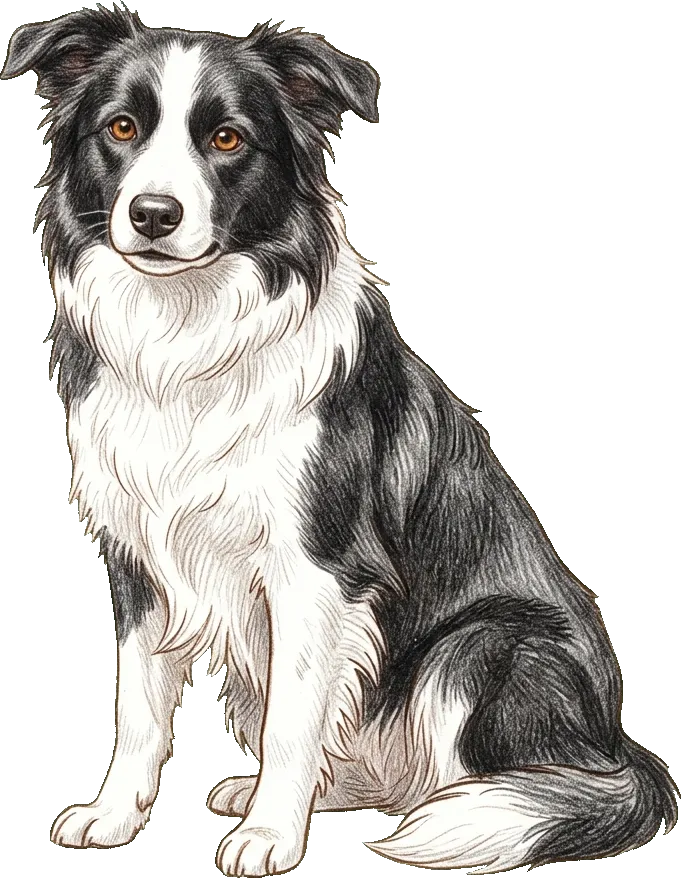
The Border Collie is the classic high-drive worker, known for its intense focus and eagerness to please. Living well with one means understanding that mental enrichment matters just as much as physical exercise. This guide sticks to daily life: channeling their herding instincts on walks, keeping their busy minds satisfied at home, and the routines that help them thrive.
Daily-care planners
House-training
Easy to house-trainBorder Collies are exceptionally fast learners. Boredom and under-stimulation cause far more accidents than housetraining difficulty — mental enrichment between trips is the real lever.
Walks
Very high exercise needsBuilt for sustained work — Border Collies need significant exercise and mental engagement on every walk. Repetitive routes quickly bore them; varied environments and training games woven into outings keep them satisfied. They may attempt to herd other dogs, cyclists, or people; training and awareness on walks help manage this instinct productively.
Plan walksTemperament
Border Collies are the classic high-drive worker, combining an eagerness to please with an intense need for a job to do. Mental enrichment often matters just as much as miles on the pavement for these exceptionally fast learners.
Because their need for both physical exercise and mental stimulation is very high, they are generally best suited to homes with direct access to a yard. They are also prone to separation anxiety, and while apartment living is possible with a deeply committed owner, the sheer volume of daily outdoor activity and indoor puzzle-solving required makes a house with secure outdoor space much easier to manage.
They can be moderately good with children if raised alongside them, but their strong herding instincts mean they may try to nip at the heels of running kids. They are not typically recommended for first-time owners or seniors due to their demanding energy levels and the constant training required, though supervision and meeting their needs helps them integrate beautifully into active households.
With other dogs, they tend to be polite but tolerant rather than overly playful, often preferring to work or focus on their owner. Their high prey drive means they might chase cats or wildlife, so careful introductions and consistent boundary training are essential when living with other pets.
Originally developed in the hill country of the Anglo-Scottish border for sheep herding, their famous intense crouching eye working style is still very much present today. In a typical suburban environment, this heritage means you will need to actively provide constructive outlets for their stamina and laser-like focus, such as agility or advanced obedience, to prevent them from finding their own, often destructive, jobs around the home.
What life with a Border Collie asks of you
Grooming & coat
- Grooming effort
- Moderate grooming
- Shedding
- Seasonal shedding
- Coat
- Medium coat
Exercise & enrichment
- Daily exercise
- Very high exercise needs
- Mental stimulation
- High mental stimulation
- Trainability
- Eager to please
Temperament & sociability
- With people
- Politely friendly
- With dogs
- Tolerant of other dogs
- With kids
- Good with considerate children (supervise)
- Barking / noise
- Moderately vocal
- Chase instinct
- High prey drive
- Time alone
- High separation-anxiety risk
Home & climate fit
- Hot weather
- Moderate heat tolerance
- Cold weather
- High cold tolerance
- House-training
- Easy to house-train