Bichon Frise
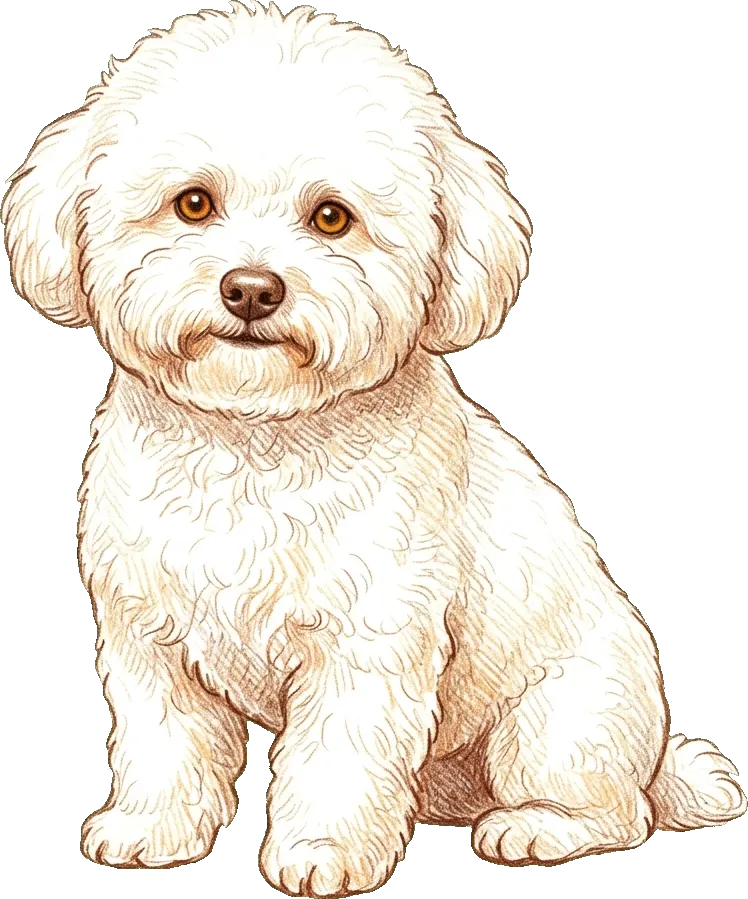
The Bichon Frise is a cheerful, highly social companion that thrives on being the center of your daily routine. Living well with this charming breed means committing to frequent grooming for their curly, low-shedding coat and practicing extreme patience with what can be a notably tricky house-training process.
Daily-care planners
House-training
Challenging to house-trainLike many small companions, Bichons are notoriously tricky to housetrain. They have small bladders and can be stubborn; crate training and extreme consistency are usually required.
Walks
Moderate exercise needsThey love going for walks and have surprisingly good energy for their size. Short to moderate daily walks keep them happy. They are sensitive to extreme weather and may need a coat in the cold.
Plan walksTemperament
These are deeply affectionate, adaptable little dogs that genuinely love people and are eager to please their families.
They do beautifully in apartments or houses with yards, provided they get short to moderate daily walks and a bit of mental stimulation to burn off their surprisingly good energy.
Due to their moderate tolerance for bustling environments, they do best with older or considerate children who understand how to interact gently, and their high risk for separation anxiety means they need a home where someone is around most of the day.
With their remarkably low prey drive and naturally sociable nature, they typically get along wonderfully with other dogs and are often very peaceful around household cats.
Originally bred purely as lap companions favored in European Renaissance courts, they adapt well to varied housing across the English-speaking world, though their Mediterranean origins mean they can be sensitive to extreme weather and may appreciate a cozy coat during cold winter walks.
What life with a Bichon Frise asks of you
Grooming & coat
- Grooming effort
- High grooming
- Shedding
- Minimal shedding
- Coat
- Medium coat
Exercise & enrichment
- Daily exercise
- Moderate exercise needs
- Mental stimulation
- Moderate mental stimulation
- Trainability
- Eager to please
Temperament & sociability
- With people
- Enthusiastically friendly
- With dogs
- Sociable with other dogs
- With kids
- Good with considerate children (supervise)
- Barking / noise
- Moderately vocal
- Chase instinct
- Low prey drive
- Time alone
- High separation-anxiety risk
Home & climate fit
- Hot weather
- Moderate heat tolerance
- Cold weather
- Low cold tolerance
- House-training
- Challenging to house-train