Anatolian Shepherd Dog
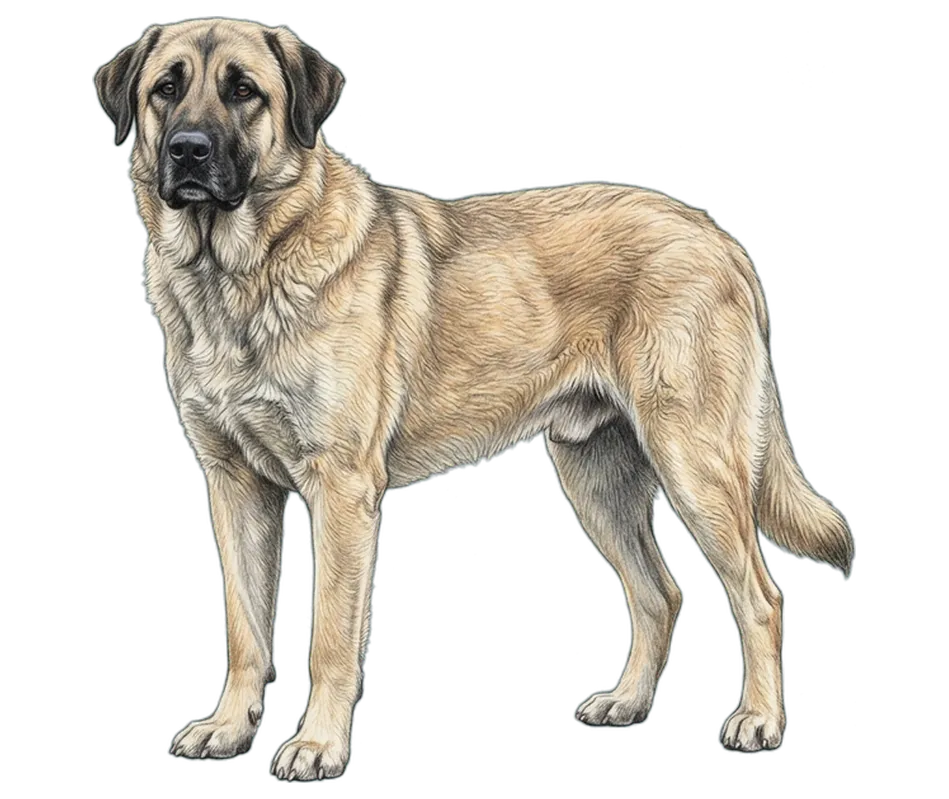
The Anatolian Shepherd Dog is a giant, weather-hardy livestock guardian bred over thousands of years on Turkey's Central Anatolian Plateau to watch flocks independently against predators — a heritage that shaped a dog that is calm and steady at home yet naturally wary of strangers and quick to patrol anything it considers its territory. Sharing life with one means welcoming a powerful, self-directed thinker that needs secure space, early and consistent socialization, and an owner comfortable offering calm, confident leadership rather than constant supervision, alongside the lifelong joint and weight care a fast-growing giant breed deserves.
Daily-care planners
House-training
Challenging to house-trainHouse-training an Anatolian Shepherd is usually manageable but rewards extra patience, since this is a giant breed that matures slowly in body and an independent thinker that doesn't housebreak purely to please. A calm, predictable routine works far better than any correction: frequent trips outside after meals, naps, and play, with warm praise for every success, build the habit steadily. Consistent supervision and confinement between outings in the early months help prevent the dog from practicing indoor habits before the routine sticks.
Walks
Moderate exercise needsThe Anatolian Shepherd's main walking challenge is less about physical stamina and more about its guardian instincts: this breed can be territorial and selective with unfamiliar dogs, so a secure harness, well-practiced leash manners, and a watchful eye around other animals matter more than covering long distances. Their heat- and cold-hardy double coat means most weather is comfortable for a walk, though any large, thick-coated dog still benefits from water breaks and a slower pace on hot days. Keep sessions low-impact while a giant-breed puppy's joints are still developing, and invest in calm leash training early, since a well-mannered walk is far easier to teach a growing puppy than an adult that can weigh well over 100 pounds. A predictable daily routine — rather than intense exercise — best satisfies this steady, self-possessed companion.
Plan walksTemperament
Developed over roughly six thousand years on the harsh Central Anatolian Plateau, the Anatolian Shepherd Dog traditionally worked without a shepherd close by, making its own decisions about which threats to confront and which to ignore — a heritage that produced a dog of quiet confidence and considerable independence rather than one that looks to a handler for constant direction. At home this shows up as a calm, steady, deeply loyal companion that bonds closely with its family and its territory alike.
That independence is a defining trait to work with, not against: Anatolians are intelligent, self-directed thinkers who can seem stubborn to owners expecting reflexive obedience, and they respond best to patient, consistent, reward-based training paired with calm, confident leadership. Early and generous socialization is essential, since the breed's natural wariness of strangers and instinct to guard territory can otherwise harden into excessive suspicion; with other dogs they tend to be selective, especially with unfamiliar dogs of the same sex, so thoughtful introductions matter.
Anatolian Shepherds are moderate in their day-to-day exercise needs but were bred for the stamina to patrol large territory, so secure fencing matters more than long walks. Despite their guardian role, breed clubs describe them as comparatively quiet dogs that rely on presence and patrol rather than constant vocalizing, though a bored or under-exercised dog can still develop the habit. Their dense double coat, shaped by the plateau's scorching summers and freezing winters, handles temperature extremes well and needs only routine brushing outside the twice-yearly seasonal shed. They are typically gentle with the children and animals they are raised alongside, though their guarding instincts and considerable size mean introductions to unfamiliar children, pets, or visitors are best made thoughtfully and under supervision.
What life with a Anatolian Shepherd Dog asks of you
Grooming & coat
- Grooming effort
- Low grooming
- Shedding
- Seasonal shedding
- Coat
- Short coat
Exercise & enrichment
- Daily exercise
- Moderate exercise needs
- Mental stimulation
- Moderate mental stimulation
- Trainability
- Independent thinker
Temperament & sociability
- With people
- Reserved with strangers
- With dogs
- Selective with other dogs
- With kids
- Good with considerate children (supervise)
- Barking / noise
- Moderately vocal
- Chase instinct
- Low prey drive
- Time alone
- Low separation-anxiety risk
Home & climate fit
- Hot weather
- High heat tolerance
- Cold weather
- High cold tolerance
- House-training
- Challenging to house-train