Akita
Living with an Akita means sharing your home with a large, dignified, and remarkably clean companion who values calm routines over frantic activity. Their heavy-shedding double coat requires regular grooming, and they thrive best when they have a cool, comfortable environment to retreat to.
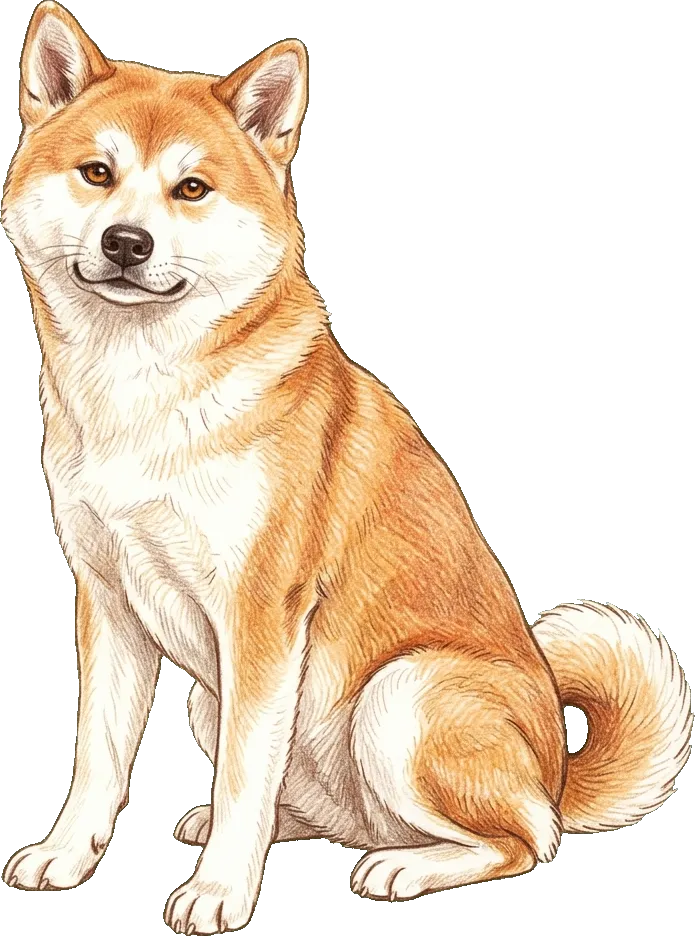
Daily-care planners
House-training
Easy to house-trainLike Shibas, Akitas are naturally clean and typically housetrain quickly. They prefer to potty far from where they sleep or eat.
Walks
Moderate exercise needsAkitas are powerful and can be aloof or reactive with strange dogs. They enjoy steady, brisk walks but bore quickly with repetitive activities like fetching. Cold weather brings out their best energy.
Plan walksTemperament
The Akita is a quiet, thoughtful, and fiercely independent dog that tends to be reserved and aloof with strangers. They are not push-button obedient, preferring to assess situations themselves before deciding to act.
Due to their size and powerful build, they do best in homes with securely fenced space where they can stretch their legs, though a dedicated owner can manage in a spacious apartment if their moderate exercise needs are met. They enjoy steady, moderate walks and engaging their minds, quickly growing bored with repetitive games of fetch.
This breed requires experienced, calm handling and is generally not recommended for first-time dog owners. They can live with older, respectful children, but their need for personal space means interactions with young children must be carefully managed and always supervised.
With a strong prey drive and a tendency to be reactive with unfamiliar dogs, the Akita usually prefers to be the only pet in the household. Careful socialization is important, but they are rarely natural visitors to busy, multi-pet environments.
While originally bred in the mountainous regions of northern Japan to hunt large game and serve as steadfast guardians, modern Akitas thrive on steady daily routines. In North America and the UK, their thick double coats make them well-suited for cooler climates, where winter weather often brings out their most playful and energetic side.
What life with a Akita asks of you
Grooming & coat
- Grooming effort
- Moderate grooming
- Shedding
- Heavy shedding
- Coat
- Short coat
Exercise & enrichment
- Daily exercise
- Moderate exercise needs
- Mental stimulation
- Moderate mental stimulation
- Trainability
- Independent thinker
Temperament & sociability
- With people
- Reserved with strangers
- With dogs
- Prefers to be the only dog
- With kids
- Better suited to older children (supervise)
- Barking / noise
- Quiet
- Chase instinct
- High prey drive
- Time alone
- Moderate separation-anxiety risk
Home & climate fit
- Hot weather
- Low heat tolerance
- Cold weather
- High cold tolerance
- House-training
- Easy to house-train