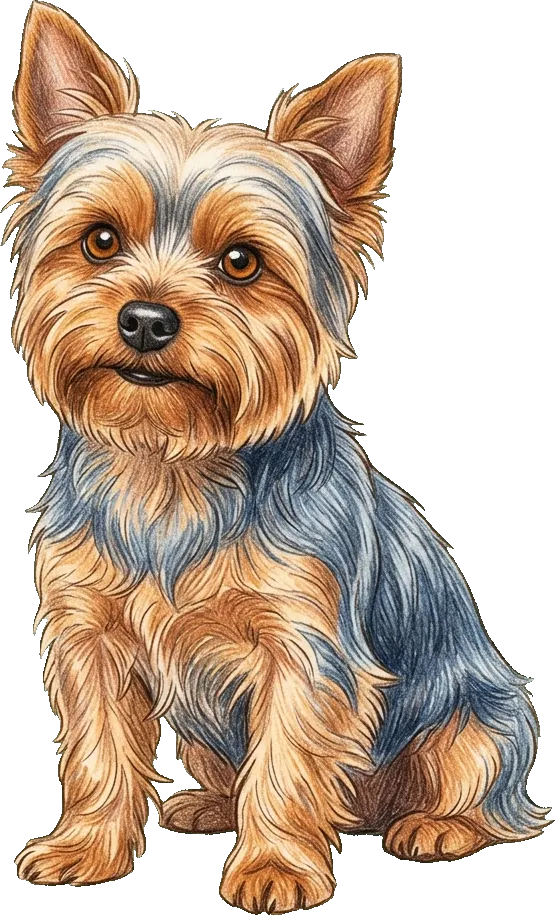
Yorkshire Terrier
El yorkshire terrier es una raza de tamaño miniatura, llena de vida y muy afectuosa, que esconde la audaz personalidad de un gran terrier. Convivir en armonía con uno se trata, en gran medida, de equilibrar toda esa enorme energía dentro de un cuerpo tan pequeño. Esta guía abarca las realidades de su día a día, desde cómo manejar su delicado pelaje y sus altas necesidades de mantenimiento, hasta cómo abordar la conocida y a veces desafiante etapa de enseñarles a hacer sus necesidades, además de mantenerlos abrigados durante sus paseos.
Planificadores de cuidado diario
Adiestramiento para ir al baño
Difícil de enseñar a ir al bañoUna vejiga pequeña, una naturaleza obstinada y su aversión al clima frío hacen de los yorkies una de las razas miniatura con mayor reto en este aspecto. Usar tapetes absorbentes en interiores como paso intermedio para enseñarles a hacer sus necesidades es una estrategia muy común.
Paseos
Necesidad moderada de ejercicioPequeños pero llenos de espíritu: los yorkies albergan una gran energía en su marco diminuto. El clima frío o húmedo exige usar siempre un abrigo o suéter. Dada su delicada complexión, es preferible utilizar un arnés en lugar de un collar para el cuello. Los paseos cortos y frecuentes se adaptan mucho mejor a su tamaño que una sola sesión extensa. Tienden a ser exploradores audaces y curiosos durante el paseo, sin importar el clima.
Planificar paseosTemperamento
Aunque pequeño en estatura, el yorkie es un verdadero terrier de corazón: valiente, curioso y profundamente apegado a su familia. Concentran una cantidad sorprendente de confianza y energía vocal en su cuerpo compacto.
Gracias a su diminuto tamaño, se adaptan fácilmente a la vida en un apartamento y no necesitan un jardín inmenso, pero sí requieren oportunidades diarias de desgaste físico y mental. Los paseos cortos y frecuentes se ajustan a ellos mucho mejor que las caminatas largas. Asimismo, los juegos en casa y los juguetes interactivos son excelentes opciones para satisfacer su mente brillante y sus niveles de energía moderados.
Aunque son muy devotos de sus personas favoritas, también son delicados y pueden abrumarse con facilidad, lo que los hace ideales para hogares tranquilos con adultos o niños mayores. Florecen con un adiestramiento paciente y constante, y prefieren tu compañía continua, ya que son propensos a sufrir ansiedad por separación si se quedan solos por periodos largos.
Su marcado instinto de presa significa que podrían sentirse tentados a perseguir animales más pequeños, y pueden ser selectivos o un poco mandones con otros perros. Realizar presentaciones cuidadosas y positivas es esencial para ayudarles a convivir de forma segura en hogares con varias mascotas.
Criados originariamente para atrapar ratas en las fábricas textiles de Inglaterra, esa tenaz herencia de trabajo sigue brillando hasta el día de hoy. Para las familias modernas en diferentes climas, es importante saber que su pelaje sedoso y de una sola capa significa que a menudo necesitarán un suéter cuando hace frío, además de un arnés bien ajustado para proteger su frágil tráquea durante los paseos diarios.
Lo que la vida con un Yorkshire Terrier requiere de ti
Cuidado y pelaje
- Mantenimiento del pelaje
- Mantenimiento alto
- Caída de pelo
- Pérdida de pelo mínima
- Pelaje
- Pelo largo
Ejercicio y enriquecimiento
- Ejercicio diario
- Necesidad moderada de ejercicio
- Estimulación mental
- Estimulación mental moderada
- Facilidad de adiestramiento
- Equilibrado
Temperamento y sociabilidad
- Con las personas
- Amigable y cortés
- Con otros perros
- Selectivo con otros perros
- Con los niños
- Mejor con niños mayores (supervisar)
- Ladridos / ruidos
- Muy vocal
- Instinto de persecución
- Alto instinto de presa
- Tiempo a solas
- Alto riesgo de ansiedad por separación
Adaptación al hogar y al clima
- Clima cálido
- Tolerancia moderada al calor
- Clima frío
- Baja tolerancia al frío
- Adiestramiento para ir al baño
- Difícil de enseñar a ir al baño