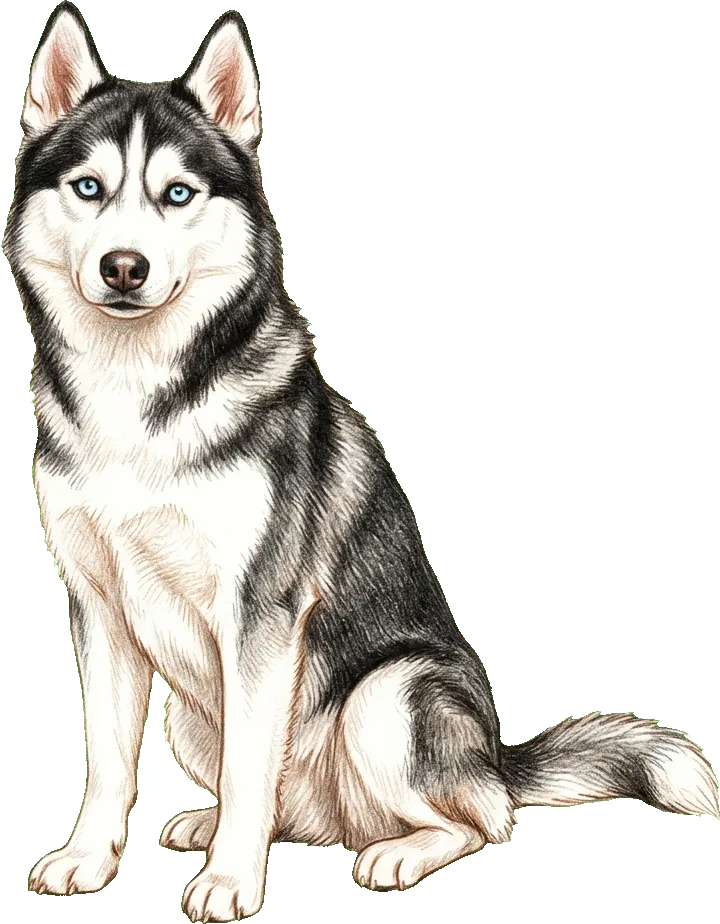
Siberian Husky
El Siberian Husky es un atleta de resistencia entusiasta y ferozmente independiente, diseñado para soportar el frío extremo y recorrer grandes distancias. Convivir en armonía con un Husky exige un compromiso enorme para brindarle altísimas dosis de ejercicio diario, asegurar tu jardín para evitar las fugas de este talentoso escapista, y gestionar una muda de pelo muy abundante. En esta guía te explicamos qué esperar de su temperamento, famoso por ser tan vocal, sus requerimientos de paseo y los mejores consejos para enseñarle a hacer sus necesidades.
Planificadores de cuidado diario
Adiestramiento para ir al baño
Difícil de enseñar a ir al bañoLos Huskies son independientes y se distraen con gran facilidad, por lo que, en general, tardan más en aprender a hacer sus necesidades que aquellas razas que tienen un mayor deseo de complacer. Ser muy constante y ajustar tus expectativas serán las claves del éxito.
Paseos
Necesidad de ejercicio muy altaNacidos para correr largas distancias en condiciones de frío: los Huskies tienen una resistencia extraordinaria y una tolerancia al calor muy baja. En verano, da los paseos exclusivamente durante las horas más frescas del día; en climas fríos o templados, pueden recorrer distancias muy largas sin problema. Es fundamental usar correas seguras y moverse por áreas bien cerradas, ya que son escapistas muy hábiles con un fuerte instinto de persecución. Es bien sabido que un Husky al que le falta ejercicio se volverá destructivo como vía de escape.
Planificar paseosTemperamento
Los Huskies son perros entusiastas y profundamente independientes que nacieron para correr, famosos por ser sumamente vocales y tener una capacidad atlética excepcional. No son perros que busquen complacer constantemente, por lo que necesitan dueños muy pacientes y coherentes que valoren de verdad su naturaleza enérgica y su espíritu libre.
Debido a su altísima necesidad de ejercicio y retos mentales, estos perros suelen tener dificultades para vivir en apartamentos y prosperan mucho mejor en casas con jardines amplios y muy seguros. Un Husky que no hace el ejercicio necesario recurrirá rápidamente a comportamientos destructivos por estrés; por lo tanto, la actividad física intensa y diaria es un requisito innegociable para que logren relajarse dentro de casa.
Por lo general, son perros muy sociables y entusiastas con las personas, lo que los convierte en pésimos perros guardianes pero en compañeros llenos de alegría. Tienen una disposición moderada para convivir con niños, por lo que las interacciones siempre deben ser supervisadas. Además, su carácter obstinado hace que sean bastante exigentes para los dueños primerizos o para los adultos mayores.
Al haber sido criados para trabajar en equipo, los Huskies suelen ser muy sociables y disfrutan plenamente de la compañía de otros perros. Sin embargo, su alto instinto de caza significa que pueden representar un riesgo importante para gatos y otras mascotas pequeñas, lo que requiere un manejo muy cuidadoso y medidas de seguridad estrictas en el hogar.
Desarrollados por el pueblo Chukchi en el noreste de Siberia como perros de trineo de resistencia, capaces de arrastrar cargas ligeras a través de enormes distancias en condiciones de frío extremo, esta herencia define todas sus necesidades actuales. Hoy en día, son felices en climas fríos y en actividades de invierno, pero requieren una precaución extrema y limitar drásticamente su actividad al aire libre durante los calurosos meses de verano, ya que su tolerancia al calor es sumamente baja.
Lo que la vida con un Siberian Husky requiere de ti
Cuidado y pelaje
- Mantenimiento del pelaje
- Mantenimiento moderado
- Caída de pelo
- Pérdida de pelo abundante
- Pelaje
- Pelo medio
Ejercicio y enriquecimiento
- Ejercicio diario
- Necesidad de ejercicio muy alta
- Estimulación mental
- Alta estimulación mental
- Facilidad de adiestramiento
- Carácter independiente
Temperamento y sociabilidad
- Con las personas
- Entusiasta y amigable
- Con otros perros
- Sociable con otros perros
- Con los niños
- Bien con niños respetuosos (supervisar)
- Ladridos / ruidos
- Muy vocal
- Instinto de persecución
- Alto instinto de presa
- Tiempo a solas
- Riesgo moderado de ansiedad por separación
Adaptación al hogar y al clima
- Clima cálido
- Baja tolerancia al calor
- Clima frío
- Alta tolerancia al frío
- Adiestramiento para ir al baño
- Difícil de enseñar a ir al baño