Shetland Sheepdog
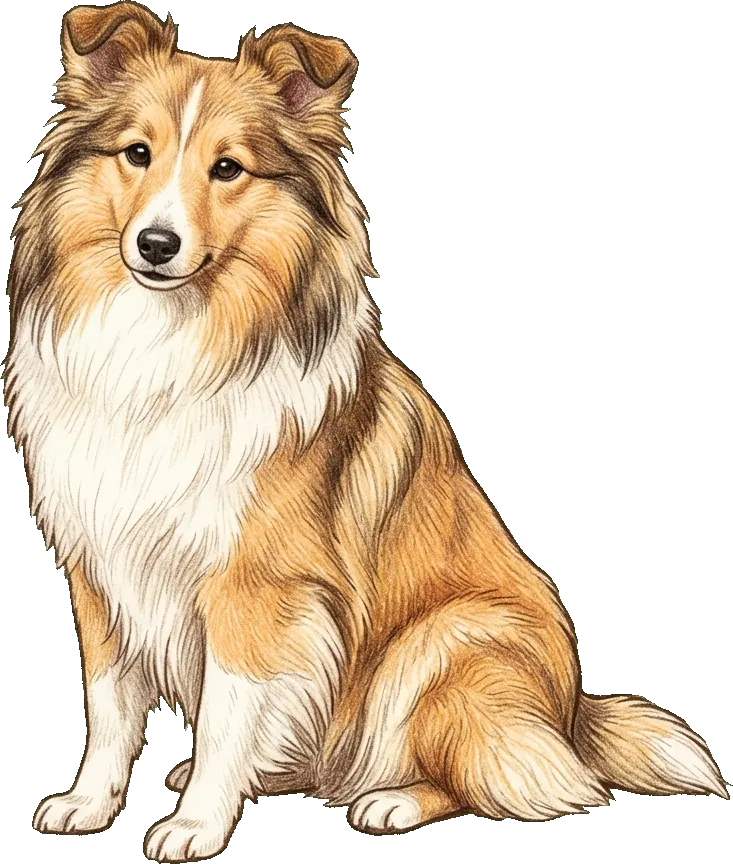
El Shetland Sheepdog es un compañero brillante y enérgico que crea lazos muy profundos con su familia y siempre está atento para avisarte de cualquier novedad. Convivir en armonía con un Sheltie significa aceptar y cubrir su necesidad de ejercicio físico diario, retos mentales estimulantes y una rutina de cepillado comprometida para mantener su denso manto doble en óptimas condiciones. En esta guía te contamos qué esperar de su naturaleza vocal, su sensibilidad al adiestramiento y cómo canalizar sus instintos de pastoreo en el hogar.
Planificadores de cuidado diario
Adiestramiento para ir al baño
Fácil de enseñar a ir al bañoLos Shelties son sensibles y siempre buscan complacer: enseñarles a hacer sus necesidades suele ser un proceso muy fluido si los guías de forma constante y amable. Evita cualquier tipo de corrección severa, ya que esto puede causarles más retrocesos que a la mayoría de las razas.
Paseos
Alta necesidad de ejercicioSon compañeros de paseo ágiles y entusiastas que disfrutan descubriendo rutas y terrenos variados. Es posible que intenten pastorear a otros animales, personas o bicicletas; un adiestramiento en positivo y redirigir su atención con calma te ayudarán a gestionar esto durante el paseo. Los Shelties toleran muy bien el clima frío y pueden recorrer buenas distancias para ser una raza pequeña. Son perros muy sensibles que se benefician enormemente de sesiones de paseo positivas y sin prisas.
Planificar paseosTemperamento
El Sheltie es un perro sumamente inteligente, sensible y siempre dispuesto a complacer, que aprende muy rápido pero que también ladrará fácilmente ante estímulos o sonidos desconocidos. Prosperan con una rutina predecible y forman vínculos de afecto muy intensos con sus cuidadores principales, aunque por naturaleza se muestran reservados con los desconocidos.
Si bien su tamaño pequeño les permite adaptarse a distintos espacios, su alta energía y sus ladridos de alerta hacen que disfruten más de hogares con jardín en lugar de apartamentos compartidos. Necesitan una buena dosis de ejercicio diario y estimulación mental, como el adiestramiento con trucos o los deportes de agilidad (agility), para evitar el aburrimiento y la vocalización excesiva, garantizando así su bienestar.
Por lo general, son muy dulces y cariñosos con los niños, aunque las interacciones con los más pequeños siempre deben supervisarse, ya que su instinto de pastoreo podría llevarlos a dar pequeños mordisquitos en los talones si ven a alguien correr. Al ser muy fáciles de adiestrar pero sensibles a los tonos de voz severos, son una excelente opción para dueños primerizos muy comprometidos que se enfoquen exclusivamente en un adiestramiento en positivo basado en recompensas.
Suelen ser tolerantes y pacíficos con otros perros, y a menudo disfrutan de la compañía canina en casa. Su instinto de caza es moderado, por lo que pueden convivir en perfecta armonía con gatos, especialmente si se presentan de forma adecuada, aunque quizás intenten pastorear a las mascotas de la familia cuando se emocionan.
Originarios del duro clima de las islas Shetland de Escocia, estos perros de trabajo compactos fueron criados para pastorear en pequeñas granjas y soportar el clima frío y húmedo con facilidad. En gran parte del mundo, su denso manto doble los convierte en compañeros de senderismo entusiastas durante los otoños frescos y los inviernos nevados, pero es fundamental cuidarlos y mantenerlos frescos durante los calurosos meses de verano.
Lo que la vida con un Shetland Sheepdog requiere de ti
Cuidado y pelaje
- Mantenimiento del pelaje
- Mantenimiento alto
- Caída de pelo
- Pérdida de pelo abundante
- Pelaje
- Pelo largo
Ejercicio y enriquecimiento
- Ejercicio diario
- Alta necesidad de ejercicio
- Estimulación mental
- Alta estimulación mental
- Facilidad de adiestramiento
- Deseoso de complacer
Temperamento y sociabilidad
- Con las personas
- Reservado con extraños
- Con otros perros
- Tolerante con otros perros
- Con los niños
- Gentil con los niños (siempre supervisar)
- Ladridos / ruidos
- Muy vocal
- Instinto de persecución
- Instinto de presa moderado
- Tiempo a solas
- Riesgo moderado de ansiedad por separación
Adaptación al hogar y al clima
- Clima cálido
- Tolerancia moderada al calor
- Clima frío
- Alta tolerancia al frío
- Adiestramiento para ir al baño
- Fácil de enseñar a ir al baño