Samoyed
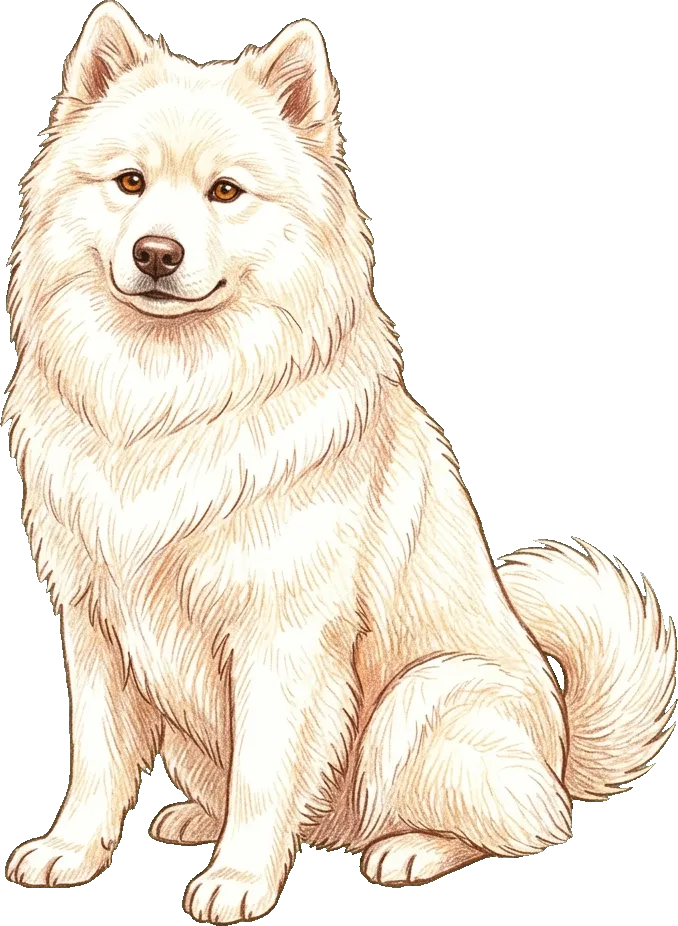
El Samoyed es un perro de tipo spitz grande, exuberante, trabajador y amante del frío, que reconocerás al instante por su denso manto blanco y su naturaleza amigable y conversadora. Compartir la vida con esta raza implica un compromiso profundo con el ejercicio diario exigente, un aseo muy riguroso y brindarle toda tu compañía, ya que son famosos por detestar la soledad.
Planificadores de cuidado diario
Adiestramiento para ir al baño
Dificultad moderada para enseñar a ir al bañoSon inteligentes pero también muy independientes. Seguir un horario constante te dará excelentes resultados, aunque es posible que se nieguen a volver adentro si el clima es frío y hay nieve.
Paseos
Alta necesidad de ejercicioHan nacido para tirar. Por ello, adiestrarlos para caminar con la correa sin tirar supondrá un reto importante. Cuentan con una resistencia excelente en los climas fríos, pero pueden acalorarse con mucha facilidad durante el verano. Disfrutarán muchísimo de paseos largos a buen ritmo o de acompañarte a correr.
Planificar paseosTemperamento
El Samoyed es un perro de trineo amigable y sumamente peludo, dotado de una inteligencia con cierto toque independiente; es conocido por su entusiasmo, por el profundo vínculo que crea con su familia y por ser maravillosamente comunicativo.
Nacida para tirar y correr, esta raza requiere niveles rigurosos de ejercicio diario y estimulación mental, por lo que una casa con un jardín bien cercado resulta ideal. Necesitan paseos largos y vigorosos, o salir a correr, para quemar toda su energía; además, su fuerte instinto de tracción significa que enseñarle a caminar sin tensar la correa requerirá de tu paciencia y constancia en el adiestramiento.
Florecen en hogares activos donde se les brinde una compañía constante, ya que su intenso vínculo contigo significa que lo pasarán verdaderamente mal si se quedan solos durante muchas horas. Aunque son famosos por ser afectuosos y por llevarse bien con los niños, son grandes y enérgicos, por lo que siempre debes supervisar cualquier interacción con los más pequeños. Son una elección muy exigente para los dueños primerizos, dadas sus altas necesidades de ejercicio, aseo y afecto.
Gracias a su naturaleza sociable, suelen disfrutar de la compañía de otros perros y se adaptan a la perfección en hogares con varias mascotas. Su instinto de presa es moderado, así que, aunque pueden aprender a vivir tranquilamente con gatos acostumbrados a los perros, deberás hacer las presentaciones con cautela y bajo supervisión.
Criados originalmente por los pueblos samoyedos de Siberia para pastorear renos, tirar de trineos y cazar en el Ártico, estos perros de trabajo también eran acogidos en las tiendas familiares para dormir y brindar calor. Esta herencia explica tanto su extraordinaria tolerancia al frío como su inmensa necesidad actual de mantenerse siempre cerca de ti. Si bien estarán felices jugando en la nieve, su denso manto doble provoca que se acaloren con gran facilidad en climas cálidos, por lo que deberás gestionar sus rutinas de ejercicio con sumo cuidado en verano para asegurar su bienestar y mantenerlos frescos.
Lo que la vida con un Samoyed requiere de ti
Cuidado y pelaje
- Mantenimiento del pelaje
- Mantenimiento alto
- Caída de pelo
- Pérdida de pelo abundante
- Pelaje
- Pelo largo
Ejercicio y enriquecimiento
- Ejercicio diario
- Alta necesidad de ejercicio
- Estimulación mental
- Alta estimulación mental
- Facilidad de adiestramiento
- Equilibrado
Temperamento y sociabilidad
- Con las personas
- Entusiasta y amigable
- Con otros perros
- Sociable con otros perros
- Con los niños
- Bien con niños respetuosos (supervisar)
- Ladridos / ruidos
- Muy vocal
- Instinto de persecución
- Instinto de presa moderado
- Tiempo a solas
- Alto riesgo de ansiedad por separación
Adaptación al hogar y al clima
- Clima cálido
- Baja tolerancia al calor
- Clima frío
- Alta tolerancia al frío
- Adiestramiento para ir al baño
- Dificultad moderada para enseñar a ir al baño