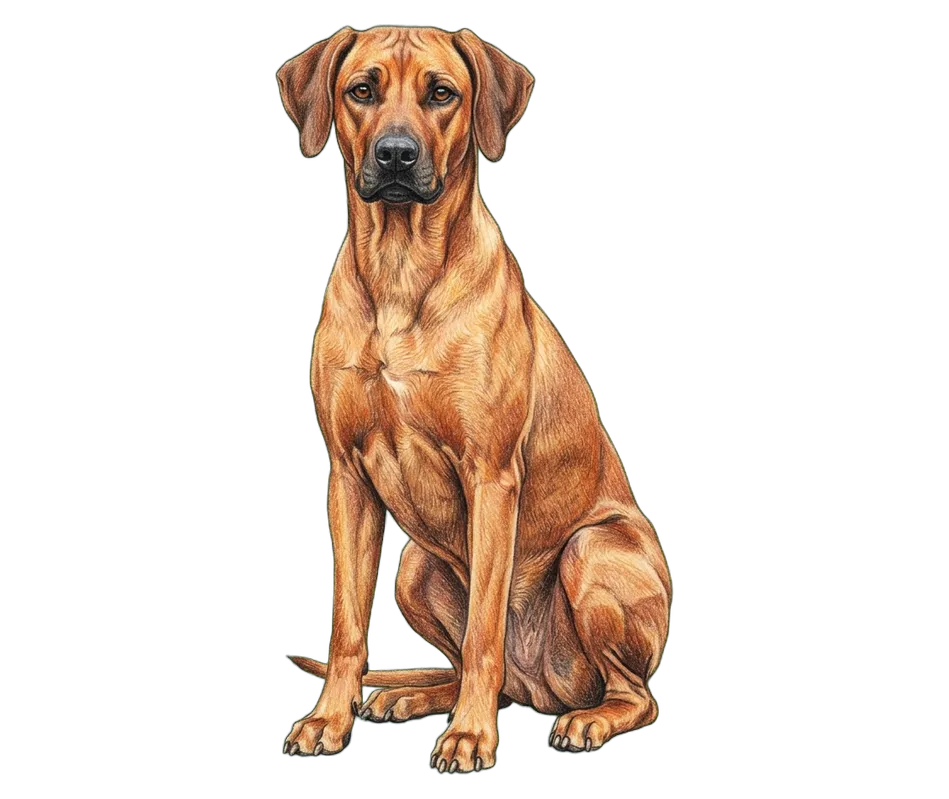
Rhodesian Ridgeback
El Rhodesian Ridgeback es un sabueso atlético e independiente que madura lentamente y requiere un compromiso firme con el ejercicio diario. Convivir en armonía con uno implica equilibrar sus altos niveles de energía con un adiestramiento constante y paciente a lo largo de una etapa de cachorro famosa por ser extensa. Esta guía cubre su día a día: desde enseñar a hacer sus necesidades, hasta gestionar su marcado instinto de presa y crear el entorno adecuado para un perro que ama el calor pero rechaza el frío.
Planificadores de cuidado diario
Adiestramiento para ir al baño
Dificultad moderada para enseñar a ir al bañoSon inteligentes pero pueden mostrarse tercos. Como maduran lentamente, requerirás mantener una rutina constante a lo largo de una etapa de cachorro más prolongada. Además, aborrecen profundamente la lluvia y el frío.
Paseos
Alta necesidad de ejercicioSon atléticos y están diseñados para tener gran resistencia. En su etapa adulta, son excelentes compañeros para salir a correr, aunque pueden ser distantes y de carácter firme. Suelen tolerar el clima cálido mucho mejor que la mayoría de las razas grandes, pero pierden el entusiasmo cuando toca el paseo en días fríos o lluviosos.
Planificar paseosTemperamento
Los Rhodesian Ridgeback son sabuesos atléticos con una complexión diseñada para la resistencia, conocidos por su naturaleza tranquila pero muy independiente. Maduran poco a poco, por lo que necesitarán de tu guía paciente y constante para desarrollar todo su potencial como compañeros adultos serenos.
Dado su gran tamaño y su alta exigencia de ejercicio, prosperan mejor en casas que cuenten con un patio delimitado por una cerca segura, en lugar de espacios reducidos. Necesitarán correr o hacer senderismo diariamente de forma notable para sentirse plenos y relajarse cuando estén dentro de casa, además de recibir una estimulación mental moderada para mantener ocupada su brillante inteligencia.
Si bien pueden ser miembros leales de la familia, su gran envergadura y su tolerancia moderada hacia los niños significan que las interacciones siempre deben estar bajo tu supervisión, y suelen llevarse mejor con niños mayores que sean respetuosos. Su vena independiente y su actitud reservada con los desconocidos los hacen más indicados para dueños con experiencia que comprendan la importancia de establecer rutinas positivas y constantes, en lugar de para dueños primerizos.
Su fuerte pasado cazador se traduce en un alto instinto de presa, lo que exige que tengas precaución y realices presentaciones muy cuidadosas cuando haya gatos o animales pequeños en casa. También pueden ser selectivos con otros perros, por lo que una socialización temprana y bien gestionada será fundamental para que logren una convivencia armónica.
Criados originalmente en el sur de África para rastrear presas grandes como los leones, su herencia genética los hace notablemente tolerantes a los climas cálidos y soleados. Aunque pueden adaptarse a vivir en un apartamento urbano si hacen mucho ejercicio, no dejan de ser perros grandes que disfrutan teniendo espacio; si vives en una zona de clima templado o variable, pronto descubrirás que detestan la lluvia y que necesitarán un abrigo reconfortante para sus paseos invernales.
Lo que la vida con un Rhodesian Ridgeback requiere de ti
Cuidado y pelaje
- Mantenimiento del pelaje
- Mantenimiento bajo
- Caída de pelo
- Pérdida de pelo estacional
- Pelaje
- Pelo corto
Ejercicio y enriquecimiento
- Ejercicio diario
- Alta necesidad de ejercicio
- Estimulación mental
- Estimulación mental moderada
- Facilidad de adiestramiento
- Carácter independiente
Temperamento y sociabilidad
- Con las personas
- Reservado con extraños
- Con otros perros
- Selectivo con otros perros
- Con los niños
- Bien con niños respetuosos (supervisar)
- Ladridos / ruidos
- Silencioso
- Instinto de persecución
- Alto instinto de presa
- Tiempo a solas
- Riesgo moderado de ansiedad por separación
Adaptación al hogar y al clima
- Clima cálido
- Alta tolerancia al calor
- Clima frío
- Baja tolerancia al frío
- Adiestramiento para ir al baño
- Dificultad moderada para enseñar a ir al baño