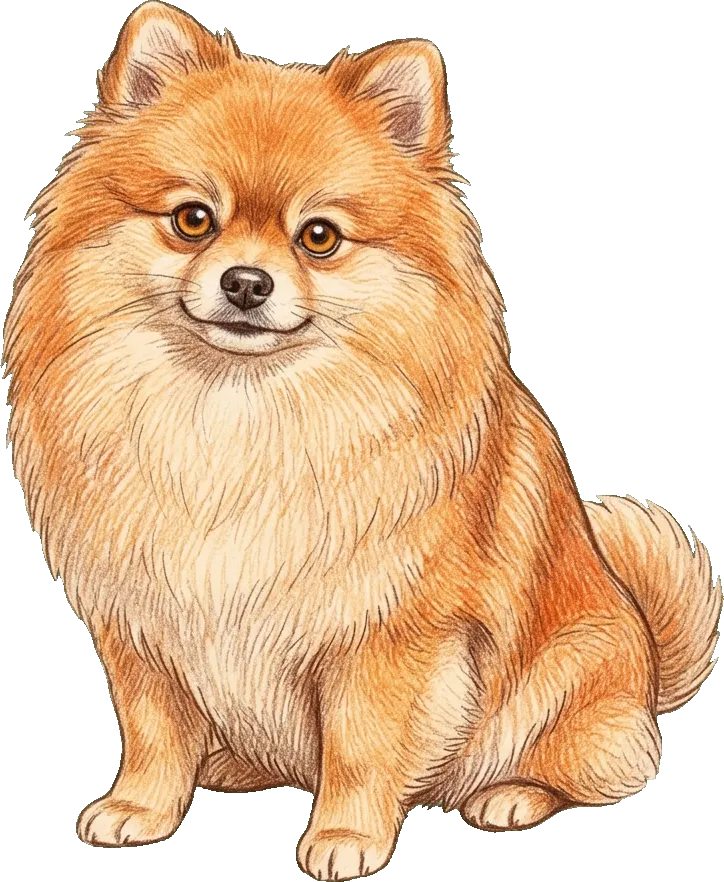
Pomeranian
El pomerania es un spitz diminuto, audaz y esponjoso con una personalidad asombrosamente grande que brilla en el día a día. Convivir en armonía con uno se reduce principalmente a mantener su exigente manto doble y a gestionar el tamaño frágil de su estructura miniatura usando siempre un arnés y supervisando las interacciones con delicadeza.
Planificadores de cuidado diario
Adiestramiento para ir al baño
Difícil de enseñar a ir al bañoSu diminuta vejiga y su naturaleza, a veces obstinada, hacen de los pomerania una de las razas miniatura más complejas a la hora de aprender a hacer sus necesidades. Son habituales las salidas cada 30 a 60 minutos para los cachorros jóvenes y el uso de tapetes absorbentes en el interior como respaldo.
Paseos
Necesidad moderada de ejercicioDiminutos pero enérgicos, los pomerania se mueven con rapidez y buen ánimo durante los paseos. Un arnés ajustado correctamente previene el estrés traqueal, y el uso de ropa para climas fríos suele ser necesario. Las sesiones cortas y frecuentes se adaptan mejor a su tamaño que las salidas largas y únicas. A pesar de su pequeño tamaño, son caminantes curiosos y atrevidos que se benefician enormemente del enriquecimiento regular al aire libre.
Planificar paseosTemperamento
El pomerania es un perro diminuto y enérgico con una personalidad asombrosamente grande, aunque su vejiga pequeña a menudo significa salidas para hacer sus necesidades más frecuentes, sobre todo durante las primeras etapas de adiestramiento.
Son muy activos pero pequeños, lo que los hace adaptables a la mayoría de los espacios si se cubren sus necesidades de ejercicio. Los paseos cortos y frecuentes son preferibles a las caminatas largas, y siempre deben llevar un arnés bien ajustado en lugar de un collar para proteger sus delicadas tráqueas.
Debido al tamaño frágil de esta raza miniatura, pueden lesionarse fácilmente con niños pequeños que, aunque bien intencionados, se mueven rápido o son bruscos. Prosperan mejor en entornos tranquilos con adultos o niños mayores a quienes se les ha enseñado a tratarlos con delicadeza y respeto.
Aunque son entusiastas con su familia, pueden ser selectivos con otros perros y tienen un moderado instinto de presa. También son ladradores seguros y alertas que anunciarán rápidamente cualquier novedad en su entorno.
Originaria de la región báltica de Pomerania, donde se criaron a partir de ancestros spitz más grandes hasta alcanzar el tamaño miniatura, la raza ganó una inmensa popularidad cuando la reina Victoria comenzó a exhibirlos en el siglo XIX. Hoy en día, su adaptabilidad los convierte en una opción muy popular tanto para apartamentos urbanos como para casas más grandes, siempre que se cuide su grueso manto doble y se gestione su ladrido de alerta mediante un adiestramiento en positivo.
Lo que la vida con un Pomeranian requiere de ti
Cuidado y pelaje
- Mantenimiento del pelaje
- Mantenimiento alto
- Caída de pelo
- Pérdida de pelo abundante
- Pelaje
- Pelo largo
Ejercicio y enriquecimiento
- Ejercicio diario
- Necesidad moderada de ejercicio
- Estimulación mental
- Estimulación mental moderada
- Facilidad de adiestramiento
- Equilibrado
Temperamento y sociabilidad
- Con las personas
- Entusiasta y amigable
- Con otros perros
- Selectivo con otros perros
- Con los niños
- Mejor con niños mayores (supervisar)
- Ladridos / ruidos
- Muy vocal
- Instinto de persecución
- Instinto de presa moderado
- Tiempo a solas
- Riesgo moderado de ansiedad por separación
Adaptación al hogar y al clima
- Clima cálido
- Baja tolerancia al calor
- Clima frío
- Tolerancia moderada al frío
- Adiestramiento para ir al baño
- Difícil de enseñar a ir al baño