Papillon
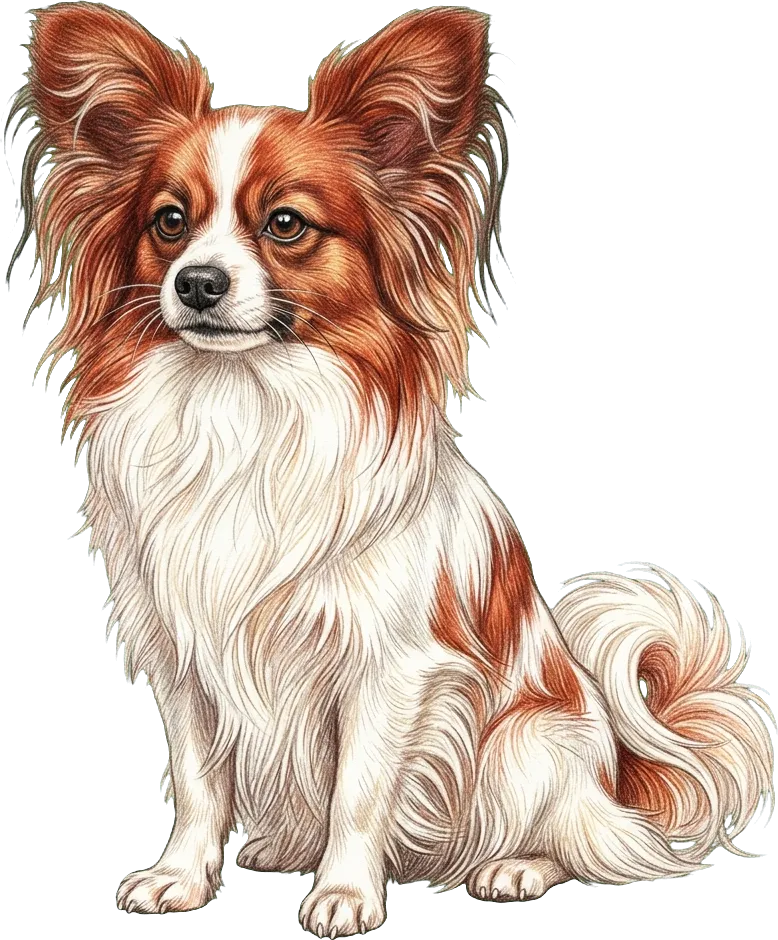
Compartir tu hogar con un papillon es disfrutar de un compañero sumamente inteligente y atlético en un formato sorprendentemente pequeño. Estos perros requieren un importante enriquecimiento mental diario, además del compromiso de proteger su delicada estructura, especialmente durante el clima frío o en interacciones con mascotas más grandes. Su manto de una sola capa y sedoso carece de capa interna, por lo que una gestión cuidadosa de la temperatura y un cepillado regular son componentes esenciales de su cuidado diario.
Planificadores de cuidado diario
Adiestramiento para ir al baño
Dificultad moderada para enseñar a ir al bañoEnseñar a hacer sus necesidades a un papillon resulta mucho más sencillo gracias a su aguda inteligencia y disposición para aprender, pero su pequeña estatura física conlleva ciertas realidades anatómicas. Como muchas razas miniatura, tienen una vejiga pequeña que simplemente no puede retener mucho volumen, lo que exige salidas muy frecuentes, especialmente durante los primeros meses de adiestramiento. Establecer una rutina estricta y constante, y ofrecer recompensas inmediatas y entusiastas por sus éxitos al aire libre, son las mejores estrategias para crear un horario confiable y guiarlos hacia el éxito.
Paseos
Necesidad moderada de ejercicioPasear a un papillon requiere equilibrar su energía entusiasta y atlética con la conciencia de sus vulnerabilidades ambientales. Su manto de una sola capa y fino recoge fácilmente ramitas y suciedad exterior, lo que hace necesario un cepillado rápido después de las excursiones para evitar enredos. Debido a que su instinto de presa puede provocar una carrera repentina tras un animal pequeño, es esencial usar un arnés seguro y correa. Durante los meses más fríos, los paseos deben adaptarse a salidas más cortas y enérgicas con ropa de invierno adecuada, ya que carecen del aislamiento natural necesario para una exposición prolongada al clima severo.
Planificar paseosTemperamento
Detrás de las características orejas con flecos que le dan al papillon su nombre de mariposa, se esconde una mente canina brillantemente atlética. Esta raza destaca constantemente en pruebas de agilidad y obediencia, impulsada por un deseo innato de agradar que facilita enormemente su adiestramiento. Para desarrollarse plenamente, un papillon necesita una estimulación mental diaria intensiva. Sin juguetes interactivos, juegos de adiestramiento continuos y tu dedicación activa, su agudo intelecto puede transformarse rápidamente en aburrimiento. Dado que forman vínculos muy estrechos con su familia, es fundamental habituarlos al tiempo a solas de forma gradual para que se sientan seguros y evitar la angustia por separación cuando no estás.
A pesar de su clasificación como raza miniatura, los papillon tienen una necesidad moderada de ejercicio físico que supera a la de muchos perros de su tamaño. Son compañeros activos que disfrutan de paseos diarios y sesiones de juego estructuradas. Aunque su carácter amistoso y cariñoso los convierte en una excelente incorporación para muchos hogares, su constitución pequeña y delicada requiere un manejo consciente. Se llevan muy bien con niños mayores y tranquilos, pero toda interacción con niños pequeños debe supervisarse cuidadosamente para evitar lesiones accidentales. Al presentarlos a otros perros, un enfoque calmado y controlado ayudará a garantizar una experiencia positiva para esta raza tolerante pero físicamente vulnerable.
En casa, los papillon son por naturaleza vigilantes y alertas, y a menudo avisan con ladridos la llegada de visitantes. Su moderado instinto de presa hace que persigan con entusiasmo a pájaros y animales pequeños, por lo que siempre deben llevar correa o estar en un jardín con un cerco seguro durante sus aventuras al aire libre. Al poseer un manto largo de una sola capa sin capa interna, su tolerancia al frío es bastante baja. Debes estar preparado para ponerles un abrigo o suéter bien ajustado y limitar la duración de las salidas durante el clima invernal húmedo o helado.
Lo que la vida con un Papillon requiere de ti
Cuidado y pelaje
- Mantenimiento del pelaje
- Mantenimiento moderado
- Caída de pelo
- Pérdida de pelo estacional
- Pelaje
- Pelo largo
Ejercicio y enriquecimiento
- Ejercicio diario
- Necesidad moderada de ejercicio
- Estimulación mental
- Alta estimulación mental
- Facilidad de adiestramiento
- Deseoso de complacer
Temperamento y sociabilidad
- Con las personas
- Entusiasta y amigable
- Con otros perros
- Tolerante con otros perros
- Con los niños
- Bien con niños respetuosos (supervisar)
- Ladridos / ruidos
- Vocalización moderada
- Instinto de persecución
- Instinto de presa moderado
- Tiempo a solas
- Riesgo moderado de ansiedad por separación
Adaptación al hogar y al clima
- Clima cálido
- Tolerancia moderada al calor
- Clima frío
- Baja tolerancia al frío
- Adiestramiento para ir al baño
- Dificultad moderada para enseñar a ir al baño