Newfoundland
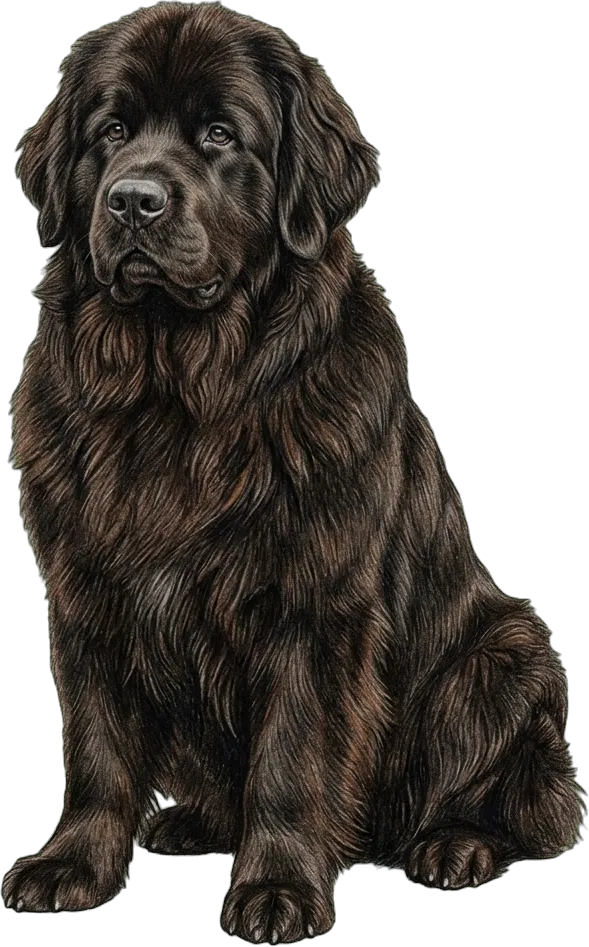
El Newfoundland es una raza gigante de trabajo con un temperamento famoso por ser dulce y equilibrado: el gigante gentil original, criado para el rescate en aguas frías y el tiro. Convivir de forma ideal con uno significa aceptar un denso pelaje doble, babas de verdad y un perro que se sobrecalienta con facilidad, mientras le brindas a este compañero profundamente orientado a las personas el ejercicio diario de bajo impacto y la vida familiar en interiores con los que prospera.
Planificadores de cuidado diario
Adiestramiento para ir al baño
Dificultad moderada para enseñar a ir al bañoEnseñar a hacer sus necesidades a un Newfoundland suele ser un proceso directo dado lo mucho que desean complacer, pero la vejiga y la madurez física más lenta de un cachorro de raza gigante recompensan la paciencia y un horario constante. Las salidas frecuentes y tranquilas después de las comidas, las siestas y el juego —combinadas con elogios cálidos por cada éxito— construyen el hábito más rápido que cualquier corrección. En climas fríos o húmedos suelen estar felices de salir, lo cual juega a tu favor.
Paseos
Necesidad moderada de ejercicioLa principal limitación para los paseos del Newfoundland es el calor, no la distancia. Su grueso pelaje doble resistente al agua es un aislamiento magnífico para el frío y la natación, pero hace que las salidas en clima cálido sean riesgosas, así que apunta al frescor de la madrugada o al anochecer y considera los jadeos fuertes o la lentitud como señales para volver a casa y ofrecerles agua. Mantén las sesiones moderadas y de bajo impacto mientras las articulaciones de un cachorro aún se están desarrollando, y deja que la natación asuma parte del esfuerzo: es el ejercicio ideal para esta raza amante del agua. Una rutina diaria constante mantiene a un perro gigante en forma, esbelto y cómodo.
Planificar paseosTemperamento
El Newfoundland combina un tamaño inmenso con un temperamento notablemente gentil y cooperativo. Están ansiosos por complacer y responden de maravilla a un adiestramiento paciente basado en recompensas, lo cual es fundamental, ya que un perro de este tamaño necesita modales confiables y una socialización temprana constante para moverse con comodidad en un mundo humano. Su herencia como perros de rescate acuático y de tiro se manifiesta en que son compañeros dispuestos, en lugar de tomadores de decisiones independientes.
A pesar de su reputación de calma, los Terranovas son moderadamente activos y necesitan ejercicio diario de bajo impacto: paseos relajados, natación y juegos suaves mantienen sus articulaciones sanas y su peso bajo control. Están profundamente orientados a las personas y les va mejor viviendo en interiores como parte de la familia; los largos periodos de aislamiento no les sientan nada bien. Con su denso pelaje doble, están hechos para el frío y el agua, pero se cansan y se sobrecalientan rápidamente en cuanto el clima se vuelve cálido.
Suelen ser amigables con otros perros y delicados con los niños, los rasgos detrás de su apodo de "perro niñera"; sin embargo, su gran tamaño significa que el juego con niños pequeños debe ser supervisado, para que un apoyo o un movimiento de cola bien intencionado no derribe a nadie. Espera mucha muda de pelo y babeo abundante; cepillarlos varias veces a la semana controla su pelaje y mantiene la piel debajo saludable.
Lo que la vida con un Newfoundland requiere de ti
Cuidado y pelaje
- Mantenimiento del pelaje
- Mantenimiento alto
- Caída de pelo
- Pérdida de pelo abundante
- Pelaje
- Pelo largo
Ejercicio y enriquecimiento
- Ejercicio diario
- Necesidad moderada de ejercicio
- Estimulación mental
- Estimulación mental moderada
- Facilidad de adiestramiento
- Deseoso de complacer
Temperamento y sociabilidad
- Con las personas
- Entusiasta y amigable
- Con otros perros
- Sociable con otros perros
- Con los niños
- Gentil con los niños (siempre supervisar)
- Ladridos / ruidos
- Silencioso
- Instinto de persecución
- Bajo instinto de presa
- Tiempo a solas
- Riesgo moderado de ansiedad por separación
Adaptación al hogar y al clima
- Clima cálido
- Baja tolerancia al calor
- Clima frío
- Alta tolerancia al frío
- Adiestramiento para ir al baño
- Dificultad moderada para enseñar a ir al baño