Jämthund
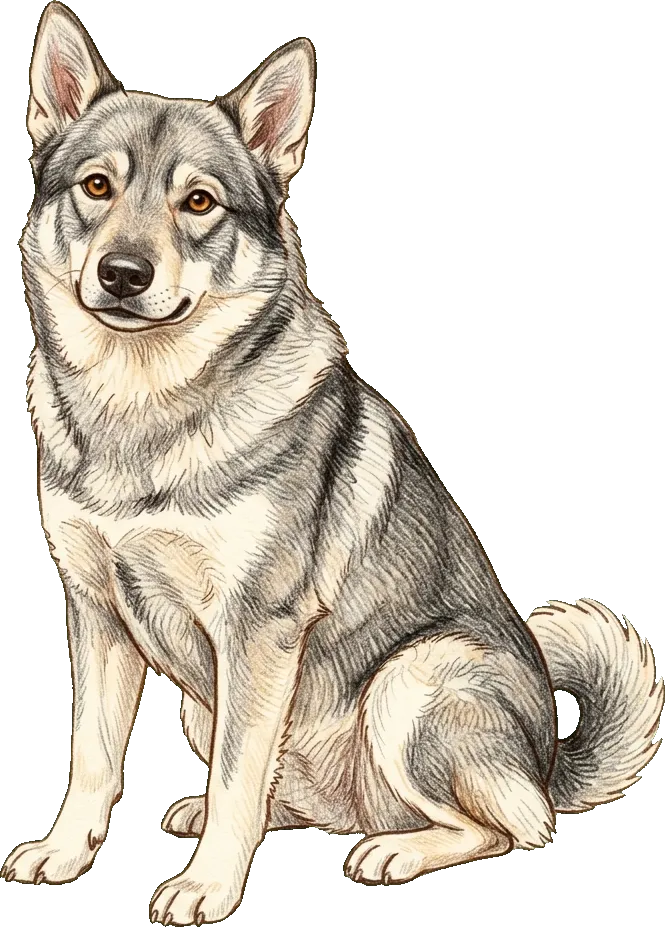
El Jämthund, o Swedish Elkhound, es un perro de caza de clima frío, robusto e independiente, construido para la resistencia más que para una obediencia complaciente. Convivir felizmente con él implica brindarle enormes cantidades de ejercicio al aire libre, especialmente en invierno, mientras cuidas rigurosamente su baja tolerancia al calor del verano. Esta guía cubre las realidades de la vida diaria: cómo aprovechar su gran resistencia en exteriores, comprender su naturaleza independiente y conocer sus chequeos de salud.
Planificadores de cuidado diario
Adiestramiento para ir al baño
Dificultad moderada para enseñar a ir al bañoSon pensadores independientes. Por lo general, aprenden a hacer sus necesidades correctamente si se les da suficiente acceso al exterior, pero su naturaleza independiente significa que no siempre te avisarán de forma clara.
Paseos
Alta necesidad de ejercicioEstán diseñados para el frío intenso y la nieve profunda. Tienen una resistencia impresionante en invierno, pero les cuesta mucho tolerar el calor. Necesitan largas caminatas diarias y muestran un alto instinto de presa en áreas boscosas.
Planificar paseosTemperamento
En el fondo, estos perros son robustos cazadores de clima frío que requieren una gran cantidad de tiempo al aire libre y prosperan cuando tienen un trabajo que hacer. Su naturaleza independiente significa que son pensadores analíticos en lugar de seguidores dispuestos a complacer todo el tiempo.
Una casa con un jardín grande y vallado de forma segura es prácticamente imprescindible, ya que la vida en apartamento rara vez les ofrece el espacio que necesitan. Exigen largas y vigorosas caminatas diarias y una estimulación mental extensa para prevenir el aburrimiento, por lo que encajan mejor en hogares sumamente activos.
Pueden convivir razonablemente bien con niños mayores y respetuosos, pero su carácter reservado significa que no son la típica mascota familiar excesivamente cariñosa. Debido a su fuerte voluntad y a sus enormes requerimientos de ejercicio, generalmente no se recomiendan para dueños primerizos o personas mayores que busquen un compañero relajado.
Con un instinto de presa históricamente alto, son propensos a perseguir animales más pequeños, por lo que compartir la casa con gatos suele ser arriesgado. Pueden ser selectivos con otros perros, y con frecuencia prefieren su propio espacio o presentaciones controladas cuidadosamente, en lugar del ajetreo de los parques caninos.
Considerados un tesoro nacional en Suecia y criados originalmente para cazar alces en Jämtland, son una verdadera rareza fuera de Escandinavia. Están diseñados para condiciones duras y heladas, lo que significa que en climas más templados debes tener muchísimo cuidado durante los meses más cálidos para evitar que sufran un golpe de calor.
Lo que la vida con un Jämthund requiere de ti
Cuidado y pelaje
- Mantenimiento del pelaje
- Mantenimiento moderado
- Caída de pelo
- Pérdida de pelo estacional
- Pelaje
- Pelo medio
Ejercicio y enriquecimiento
- Ejercicio diario
- Alta necesidad de ejercicio
- Estimulación mental
- Alta estimulación mental
- Facilidad de adiestramiento
- Carácter independiente
Temperamento y sociabilidad
- Con las personas
- Reservado con extraños
- Con otros perros
- Selectivo con otros perros
- Con los niños
- Bien con niños respetuosos (supervisar)
- Ladridos / ruidos
- Vocalización moderada
- Instinto de persecución
- Alto instinto de presa
- Tiempo a solas
- Riesgo moderado de ansiedad por separación
Adaptación al hogar y al clima
- Clima cálido
- Baja tolerancia al calor
- Clima frío
- Alta tolerancia al frío
- Adiestramiento para ir al baño
- Dificultad moderada para enseñar a ir al baño