Drever
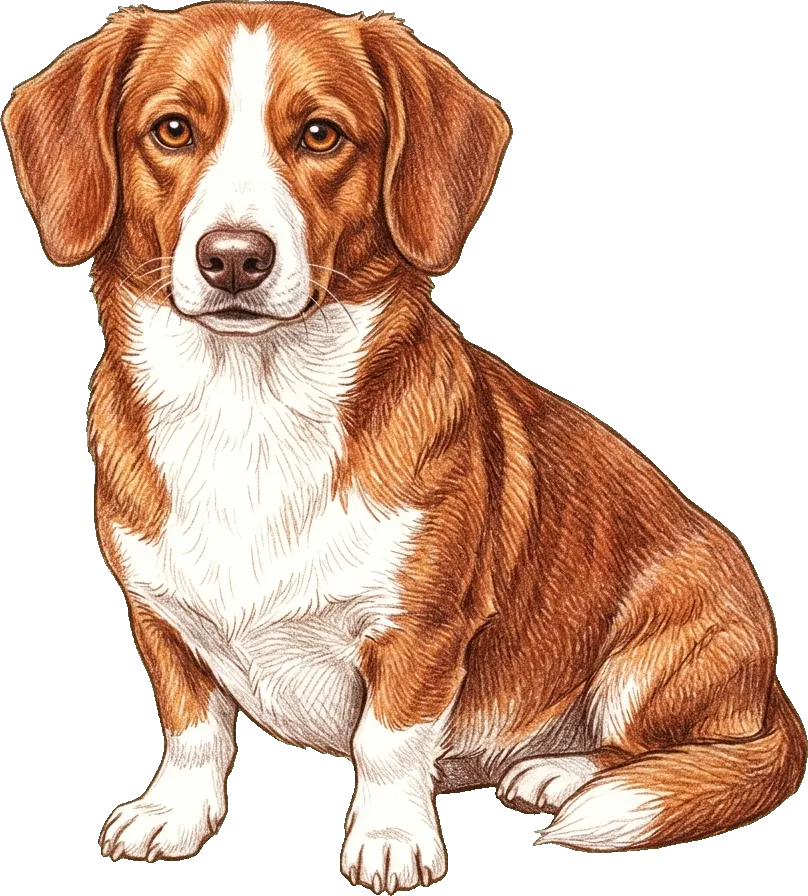
El drever es un sabueso pequeño, entusiasta y siempre guiado por su olfato, que posee la increíble resistencia física de un perro mucho más grande. Para que viva feliz, este tenaz rastreador requiere que te comprometas a brindarle abundante ejercicio diario al aire libre y a gestionar su marcado instinto de caza, lo que hace que los paseos sin correa sean bastante arriesgados. Esta guía aborda los aspectos esenciales de su día a día, desde cómo ser constante al enseñarle a hacer sus necesidades frente a tantas distracciones olfativas —donde deberás premiarlo justo después de que termine—, hasta el temperamento amistoso pero independiente que lo caracteriza.
Planificadores de cuidado diario
Adiestramiento para ir al baño
Difícil de enseñar a ir al bañoEs bien sabido que los sabuesos se distraen con suma facilidad por los olores de su entorno. La constancia es vital: recompensarlo de inmediato cuando termine de hacer sus necesidades evitará que se aleje para seguir algún rastro interesante.
Paseos
Alta necesidad de ejercicioPuede que tengan patas cortas, pero poseen la resistencia de un sabueso grande. Una vez que capten un rastro, tirarán de la correa sin descanso. Dejarlos sueltos fuera de áreas cercadas es muy arriesgado.
Planificar paseosTemperamento
Entusiasta y muy amigable con las personas, este sabueso independiente se deja guiar casi por completo por su olfato. Aunque es muy cariñoso, su instinto de rastrear y ladrar con fuerza al seguir una pista es una parte fundamental de su esencia.
Debido a sus altas exigencias de ejercicio y su naturaleza expresiva, encaja mucho mejor en una casa con un jardín bien cercado que en un apartamento. A pesar de tener patas cortas, posee la energía inagotable de un sabueso grande y necesita paseos diarios prolongados para poder relajarse en casa.
Su carácter amistoso lo convierte en una excelente opción para familias activas, mostrándose tolerante y relajado en compañía de los niños. Sin embargo, su obstinación a la hora de rastrear hace que prosperen mejor junto a dueños experimentados que puedan ofrecerle un adiestramiento firme y constante.
Al ser sumamente sociables, por lo general disfrutan mucho de la compañía de otros perros. Por el contrario, su fuerte instinto de presa significa que muy probablemente perseguirán a los gatos, lo que exigirá presentaciones meticulosas y una supervisión de por vida si hay más mascotas en el hogar.
Desarrollado en Suecia a principios del siglo XX a partir del dachsbracke de Westfalia para rastrear ciervos y liebres, su nombre deriva de la palabra sueca para referirse a la caza por rastreo. Para quienes cuentan con espacios rurales cercados, su alta tolerancia al calor lo convierte en un compañero excepcional sin importar el clima.
Lo que la vida con un Drever requiere de ti
Cuidado y pelaje
- Mantenimiento del pelaje
- Mantenimiento bajo
- Caída de pelo
- Pérdida de pelo estacional
- Pelaje
- Pelo corto
Ejercicio y enriquecimiento
- Ejercicio diario
- Alta necesidad de ejercicio
- Estimulación mental
- Estimulación mental moderada
- Facilidad de adiestramiento
- Carácter independiente
Temperamento y sociabilidad
- Con las personas
- Entusiasta y amigable
- Con otros perros
- Sociable con otros perros
- Con los niños
- Bien con niños respetuosos (supervisar)
- Ladridos / ruidos
- Muy vocal
- Instinto de persecución
- Alto instinto de presa
- Tiempo a solas
- Riesgo moderado de ansiedad por separación
Adaptación al hogar y al clima
- Clima cálido
- Alta tolerancia al calor
- Clima frío
- Tolerancia moderada al frío
- Adiestramiento para ir al baño
- Difícil de enseñar a ir al baño