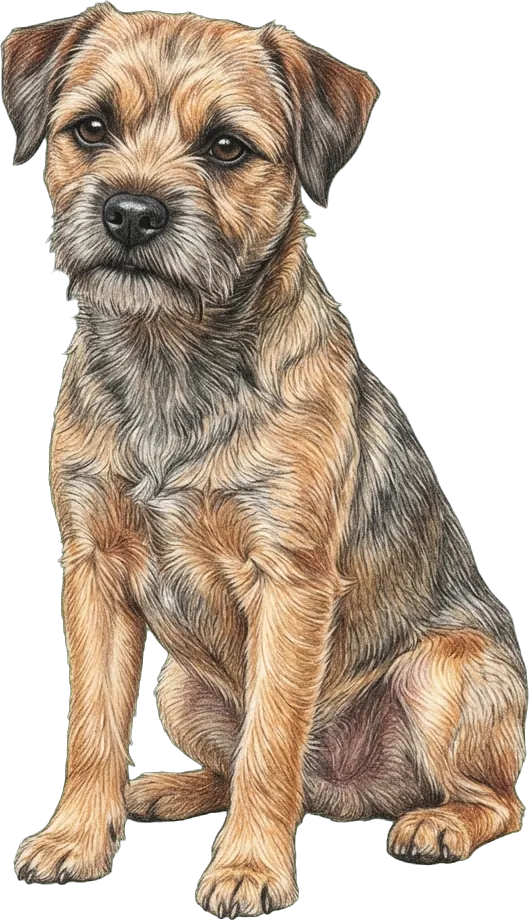
Border Terrier
Compartir tu hogar con un Border Terrier significa convivir con un compañero pequeño, afectuoso, activo y siempre dispuesto a la acción. Originalmente criados para trabajar en las escarpadas colinas de Cheviot, aportan una gran resistencia y una naturaleza entrañable y participativa a la vida familiar. Florecen cuando se les brinda abundante estímulo mental y físico junto a su manada humana.
Planificadores de cuidado diario
Adiestramiento para ir al baño
Dificultad moderada para enseñar a ir al bañoEnseñar a hacer sus necesidades a un Border Terrier es un reto moderado que solo requiere constancia, paciencia y un enfoque positivo. Son perros muy listos y están deseosos de mantener limpio su espacio, pero su naturaleza curiosa a veces hace que se distraigan con olores interesantes al salir de paseo, justo cuando deberían estar concentrados en ir al baño. Si estableces una rutina predecible, ofreces salidas frecuentes y les das recompensas inmediatas y entusiastas por sus éxitos, aprenderán rápidamente cómo funciona todo.
Paseos
Alta necesidad de ejercicioEsta es una raza activa y llena de energía que requiere bastante ejercicio físico a diario y posee una gran tolerancia al frío gracias a su subpelo denso y resistente a la intemperie. Los paseos deben servir tanto para el desgaste físico como para el enriquecimiento mental, permitiéndoles usar sus mentes inquietas con muchas oportunidades para olfatear, y siempre teniendo en cuenta su tolerancia moderada al calor durante los meses de verano. Debido a su fuerte instinto de presa, es vital contar con un adiestramiento sólido para que acudan al llamado, además de zonas cerradas y seguras, antes de permitirles explorar sin la correa. Llueva o haga sol —pero especialmente en el frío—, son aventureros resistentes y listos para explorar con seguridad.
Planificar paseosTemperamento
Criado históricamente en la frontera anglo-escocesa para correr junto a jaurías de sabuesos y sacar a los zorros de sus madrigueras, el Border Terrier conserva una constitución robusta, sin exageraciones, y una naturaleza alerta y vigilante. Con un peso compacto de 5 a 7 kg (las hembras de 5 a 6,5 kg; los machos de 6 a 7 kg) y una esperanza de vida de 12 a 15 años, estos perros pequeños son ideales para hogares activos. Debido a que fueron desarrollados para trabajar junto a otros sabuesos, suelen ser muy tolerantes y se llevan bien con otros perros si se realizan buenas presentaciones. En casa, son profundamente afectuosos y prefieren estar acompañados, lo que significa que corren un riesgo moderado de sufrir ansiedad por separación si se quedan solos durante periodos prolongados sin su familia.
Aunque son muy fáciles de adiestrar y responden de maravilla a sesiones breves, entusiastas y basadas en recompensas, no dejan de ser terriers: son pensadores inteligentes e independientes que necesitan un buen motivo para cooperar. Tienen una gran necesidad de estimulación mental y disfrutan enormemente con los juegos de olfato, el adiestramiento con trucos y la asignación de "trabajos" que eviten el aburrimiento. En cuanto a vocalización, son moderados; son excelentes perros de alerta que anunciarán a las visitas, pero no ladran de forma constante.
Su herencia de perros de trabajo también les otorga un fuerte instinto de presa. Perseguirán con entusiasmo a gatos, ardillas y otros animales pequeños, por lo que las mascotas peludas de menor tamaño no son los compañeros de casa ideales. Este poderoso instinto hace que sea absolutamente esencial para su seguridad contar con un jardín bien asegurado y un adiestramiento que garantice que acudan al llamado de forma confiable. Cuando se satisfacen sus altas exigencias físicas y mentales, son una verdadera alegría que se adapta a la perfección a la vida familiar.
Lo que la vida con un Border Terrier requiere de ti
Cuidado y pelaje
- Mantenimiento del pelaje
- Mantenimiento moderado
- Caída de pelo
- Pérdida de pelo mínima
- Pelaje
- Pelo corto
Ejercicio y enriquecimiento
- Ejercicio diario
- Alta necesidad de ejercicio
- Estimulación mental
- Alta estimulación mental
- Facilidad de adiestramiento
- Equilibrado
Temperamento y sociabilidad
- Con las personas
- Entusiasta y amigable
- Con otros perros
- Tolerante con otros perros
- Con los niños
- Gentil con los niños (siempre supervisar)
- Ladridos / ruidos
- Vocalización moderada
- Instinto de persecución
- Alto instinto de presa
- Tiempo a solas
- Riesgo moderado de ansiedad por separación
Adaptación al hogar y al clima
- Clima cálido
- Tolerancia moderada al calor
- Clima frío
- Alta tolerancia al frío
- Adiestramiento para ir al baño
- Dificultad moderada para enseñar a ir al baño