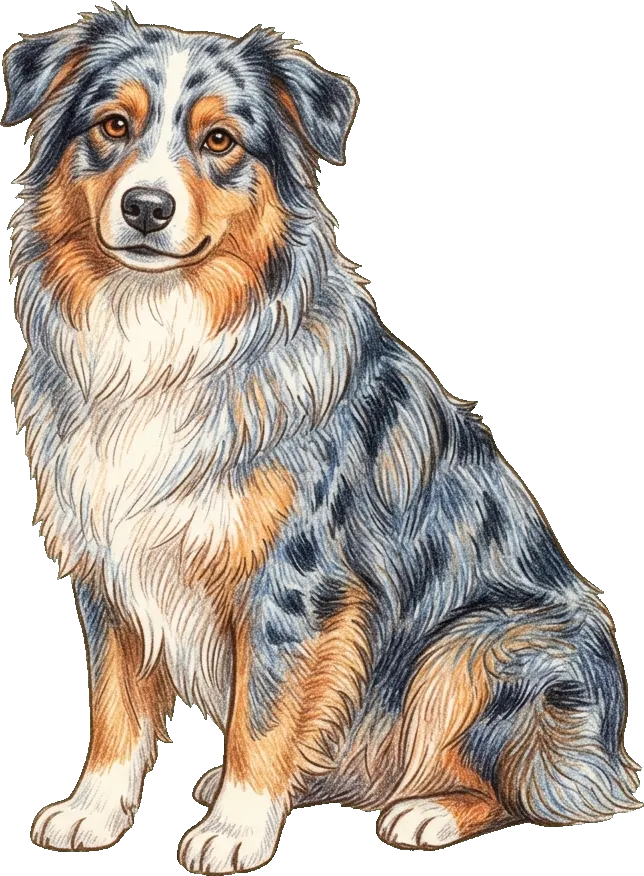
Australian Shepherd
El australian shepherd es un perro de pastoreo brillante e intensamente activo, que da lo mejor de sí cuando tiene un trabajo real que hacer. Vivir bien con un aussie requiere proporcionarle un nivel sustancial de ejercicio físico diario y enriquecimiento mental para prevenir comportamientos destructivos por aburrimiento. Esta guía se centra en el día a día: cómo enseñarle a hacer sus necesidades, los paseos, el temperamento que debes esperar y los cuidados diarios necesarios.
Planificadores de cuidado diario
Adiestramiento para ir al baño
Dificultad moderada para enseñar a ir al bañoLos aussies aprenden rápido, pero el aburrimiento causa más accidentes que cualquier otra cosa. Proporcionarles enriquecimiento mental entre sus salidas para hacer sus necesidades les ayuda a mantenerse tranquilos y a respetar su horario.
Paseos
Necesidad de ejercicio muy altaLos aussies necesitan una cantidad sustancial de ejercicio y se aburren rápidamente con las rutas repetitivas. Cambiar de entorno, permitirles correr sin correa en espacios seguros e integrar juegos de adiestramiento durante el paseo es la fórmula ideal para tener un perro satisfecho. Pueden intentar pastorear a otros animales, personas o ciclistas; la atención constante y el adiestramiento ayudan a canalizar este instinto. Un aussie que no hace suficiente ejercicio suele redirigir su energía hacia comportamientos destructivos.
Planificar paseosTemperamento
Los aussies son perros de pastoreo muy dispuestos a aprender e intensamente activos, por lo que una rutina estructurada y el trabajo mental suelen importar tanto como la duración del paseo. Desean complacer a su familia en todo momento, pero a menudo se muestran reservados con los desconocidos.
Debido a sus elevadas necesidades de ejercicio y estimulación mental, se sienten más plenos en hogares con patios seguros donde puedan correr en libertad. Aunque pueden adaptarse a vivir en un apartamento si se cubren sus intensas exigencias físicas y mentales, requerirán un importante compromiso de tiempo a diario para evitar el aburrimiento y las conductas destructivas.
Pueden encajar bien en familias con niños, siempre y cuando exista supervisión y un adiestramiento continuo para gestionar su instinto de pastorear a los más pequeños cuando corren. Debido a su enorme energía y al riesgo de desarrollar ansiedad por separación, no suelen recomendarse como primer perro ni para personas mayores sedentarias que no cuenten con un plan sólido de actividad.
Al convivir con otras mascotas, su marcado instinto de pastoreo y su alto instinto de presa exigen que las interacciones se gestionen con cuidado. Suelen ser selectivos con otros perros y pueden mostrar tendencia a perseguir gatos o animales más pequeños.
A pesar de su nombre, la raza se desarrolló realmente en el oeste de Estados Unidos como perro de rancho y manejo de ganado, no en Australia. Su espeso doble manto les ayuda a tolerar bien las temperaturas moderadas, pero su historia como perros de trabajo agrícola hace que siempre estén buscando una tarea en la que volcar su inagotable energía.
Lo que la vida con un Australian Shepherd requiere de ti
Cuidado y pelaje
- Mantenimiento del pelaje
- Mantenimiento moderado
- Caída de pelo
- Pérdida de pelo abundante
- Pelaje
- Pelo medio
Ejercicio y enriquecimiento
- Ejercicio diario
- Necesidad de ejercicio muy alta
- Estimulación mental
- Alta estimulación mental
- Facilidad de adiestramiento
- Deseoso de complacer
Temperamento y sociabilidad
- Con las personas
- Reservado con extraños
- Con otros perros
- Selectivo con otros perros
- Con los niños
- Bien con niños respetuosos (supervisar)
- Ladridos / ruidos
- Vocalización moderada
- Instinto de persecución
- Alto instinto de presa
- Tiempo a solas
- Alto riesgo de ansiedad por separación
Adaptación al hogar y al clima
- Clima cálido
- Tolerancia moderada al calor
- Clima frío
- Alta tolerancia al frío
- Adiestramiento para ir al baño
- Dificultad moderada para enseñar a ir al baño