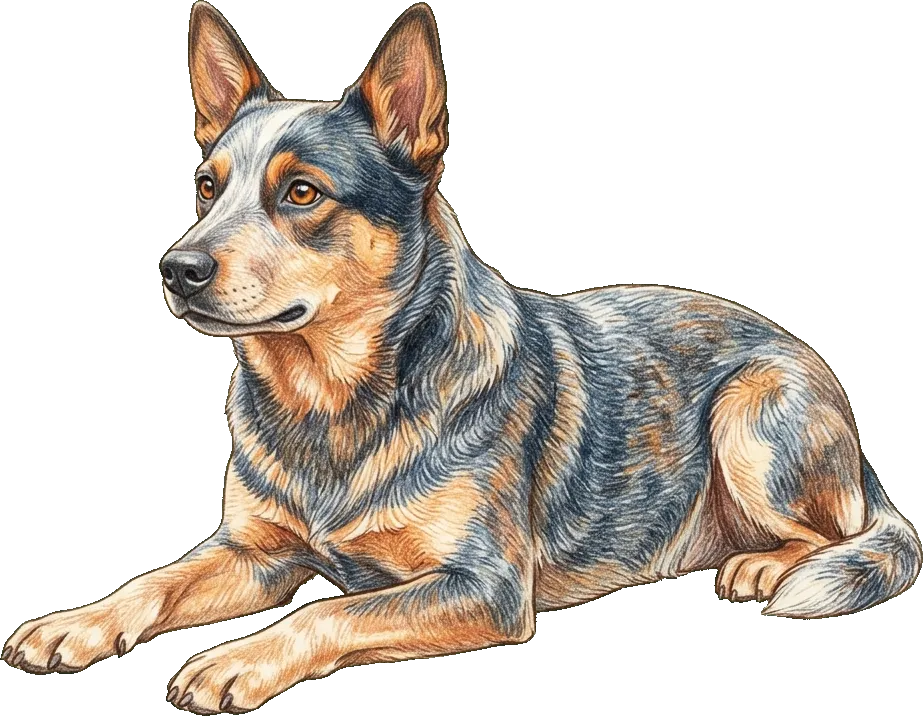
Australian Cattle Dog
El australian cattle dog es un trabajador incansable e inteligente que necesita tener una tarea exigente a diario. Vivir en armonía con un heeler implica igualar su extraordinaria energía con ejercicio riguroso y retos mentales constantes. Esta guía abarca las rutinas, las necesidades de adiestramiento y el entorno necesario para mantener pleno a este intenso perro de pastoreo.
Planificadores de cuidado diario
Adiestramiento para ir al baño
Fácil de enseñar a ir al bañoA los cattle dogs les encanta la rutina y asimilan rápidamente unos horarios constantes. El mayor riesgo es no proporcionarles suficientes salidas para hacer sus necesidades, dado su metabolismo acelerado y de alta energía.
Paseos
Necesidad de ejercicio muy altaSu resistencia inagotable y su alta motivación hacen de los cattle dogs unos excelentes compañeros para correr y hacer senderismo. Rara vez se conforman con un simple paseo: necesitan un ejercicio diario sustancial y retos mentales. Un heeler sin la vía de escape adecuada tiende a inventarse su propio trabajo, lo cual rara vez es bien recibido en casa. Combinar rutas variadas con ejercicios de adiestramiento durante los paseos es la fórmula más eficaz.
Planificar paseosTemperamento
Los heelers son pastores inagotables que realmente prosperan cuando se les proporciona una tarea clara y una rutina activa que los mantenga involucrados. Son perros extraordinariamente inteligentes y motivados, y siempre preferirán la acción al descanso.
Debido a su inmensa necesidad de desgaste físico y estimulación mental, se adaptan mejor a hogares con amplios espacios al aire libre que a un apartamento. Un simple paseo diario rara vez es suficiente; requieren actividades vigorosas como correr, adiestramiento avanzado o deportes caninos para evitar que se inventen sus propios trabajos destructivos dentro de casa.
Por lo general, esta raza no es recomendable como primer perro ni para hogares con niños pequeños, ya que su instinto de pastorear mordisqueando los talones se activa fácilmente cuando los niños corren. Son ideales para adultos activos y con experiencia, o familias con niños mayores y responsables que puedan participar en su adiestramiento bajo una supervisión cuidadosa.
Su alto instinto de presa y su carácter selectivo con otros perros exigen presentaciones graduales y muy cuidadosas con nuevos animales. Es posible que no sean compatibles con gatos o mascotas pequeñas, y las interacciones con perros desconocidos siempre deben gestionarse de forma activa.
Desarrollados en las vastas y escarpadas extensiones de la Australia del siglo XIX para conducir ganado a largas distancias, su herencia incluye cruces con el dingo nativo, lo que les otorga una inmensa resistencia y tolerancia al calor. Son compañeros excepcionales para quienes tienen acceso a espacios abiertos o patios grandes, y brillan en entornos rurales donde se puede apreciar al máximo su robusto legado como perros de trabajo.
Lo que la vida con un Australian Cattle Dog requiere de ti
Cuidado y pelaje
- Mantenimiento del pelaje
- Mantenimiento bajo
- Caída de pelo
- Pérdida de pelo estacional
- Pelaje
- Pelo corto
Ejercicio y enriquecimiento
- Ejercicio diario
- Necesidad de ejercicio muy alta
- Estimulación mental
- Alta estimulación mental
- Facilidad de adiestramiento
- Equilibrado
Temperamento y sociabilidad
- Con las personas
- Reservado con extraños
- Con otros perros
- Selectivo con otros perros
- Con los niños
- Mejor con niños mayores (supervisar)
- Ladridos / ruidos
- Vocalización moderada
- Instinto de persecución
- Alto instinto de presa
- Tiempo a solas
- Riesgo moderado de ansiedad por separación
Adaptación al hogar y al clima
- Clima cálido
- Alta tolerancia al calor
- Clima frío
- Alta tolerancia al frío
- Adiestramiento para ir al baño
- Fácil de enseñar a ir al baño